Updated: January 23, 2026 · 25 min read
What is Duty of Care in Personal Injury Cases?
Quick Answer: Duty of care in personal injury cases means a person or business must act reasonably to avoid causing harm to others. If they fail this duty and someone is injured, they may be legally responsible for the damages. In New York City, this concept helps determine liability in many injury claims.Why Duty of Care Matters in New York City Personal Injury Claims
The concept of duty of care is a key part of personal injury claims in New York City. It matters because it sets the foundation for deciding if someone can be held responsible for your injury. Without duty of care, a personal injury claim usually cannot move forward. In simple terms, duty of care means that a person or organization must act reasonably to avoid causing harm to others. For example, drivers must follow traffic laws to keep others safe. Property owners must keep their premises safe for visitors. When this duty is not met, and someone gets hurt, the injured person may have a legal claim. Here are some reasons why duty of care is important in NYC personal injury claims:- Establishing Responsibility: Duty of care helps show who was responsible for preventing the injury. In a busy city like New York, many parties have duties to others, such as drivers, building owners, and business operators.
- Proving Negligence: To win a personal injury case, you must prove negligence. Negligence means someone failed to meet their duty of care, causing your injury. Without duty of care, you cannot prove negligence.
- Determining Liability: NYC courts use duty of care to decide if a defendant should be held liable. If the defendant owed you a duty but breached it, they may be legally liable for your damages.
- Guiding Compensation: Duty of care affects what compensation you might recover. If a breach of duty caused your injury, you might claim damages for medical bills, lost wages, pain, and suffering.
- Drivers must watch for pedestrians crossing busy streets.
- Landlords must maintain safe stairways and walkways in apartment buildings.
- Businesses must keep floors dry and clear of hazards to prevent slips and falls.
Who Owes a Duty of Care in Personal Injury Cases?
In personal injury cases, a duty of care is a legal responsibility that certain people or entities have to act safely to avoid harming others. But who exactly owes this duty of care? The answer depends on the situation and the relationship between the parties involved. Generally, anyone who engages in activities that could potentially cause harm to others owes a duty of care. This includes:- Drivers: Every driver on New York City streets must drive carefully to avoid causing accidents. They owe a duty of care to other drivers, pedestrians, and cyclists.
- Property owners and landlords: If you own or control property, you have a duty to keep it reasonably safe for visitors. This duty varies depending on whether the visitor is a tenant, guest, or trespasser.
- Businesses: Stores, restaurants, and other businesses owe customers a duty to maintain safe premises, such as clearing spills or fixing broken steps to prevent slips and falls.
- Employers: Employers have a duty to provide a safe work environment for their employees and visitors.
- Professionals: Doctors, contractors, and other professionals owe a duty of care to clients or patients to perform their work competently and safely.
How Duty of Care is Determined in New York Courts
In New York courts, the determination of duty of care in personal injury cases follows a clear legal framework. The court’s job is to decide whether the person or entity accused of causing harm had a legal obligation to act reasonably to avoid injuring others. This obligation is what we call the duty of care. Several key factors guide New York courts when deciding if duty of care exists:- Relationship Between the Parties: Courts look at how the parties involved are connected. For example, a store owner has a duty to keep customers safe, while a stranger on the street usually does not have that same legal duty.
- Foreseeability of Harm: The court asks whether it was reasonably predictable that the defendant’s actions could cause harm. If harm was foreseeable, a duty of care is more likely to be found.
- Public Policy Considerations: Courts consider the broader impact of imposing a duty. They weigh whether it is fair and practical to require the defendant to take certain precautions to prevent injury.
Examples of Duty of Care in Common NYC Personal Injury Situations
Understanding duty of care in everyday situations helps clarify when someone must act responsibly to avoid causing harm. In New York City, various common personal injury cases involve a duty of care. Here are some examples to illustrate how this legal concept applies in real life:- Car Accidents: Drivers have a duty to follow traffic laws and drive safely. This means obeying speed limits, stopping at red lights, and avoiding distractions. If a driver fails to do so and causes a crash, they may have breached their duty of care.
- Slip and Fall Injuries: Property owners and managers in NYC must keep their premises safe for visitors. This includes clearing ice and snow from sidewalks, fixing broken stairs, and warning about wet floors. If they neglect these duties and someone slips and falls, they may be responsible for the injury.
- Construction Site Incidents: Contractors and site supervisors must follow safety rules to protect workers and the public. They must provide proper training, equipment, and barriers. Failing to maintain these safety measures can breach their duty of care and lead to injury claims.
- Medical Malpractice: Doctors and healthcare providers owe a duty to treat patients with reasonable skill and care. If they make mistakes or fail to diagnose a condition properly, causing harm, they may have breached their duty.
- Dog Bites: Dog owners must control their pets and prevent them from attacking others. In NYC, owners have a duty to restrain dangerous dogs. If a dog bites someone because the owner was careless, the owner may be liable.
- Public Transportation: Transit authorities and vehicle operators must keep buses, subways, and trains safe for passengers. This includes maintaining vehicles and stations and following safety protocols. Negligence in these duties can lead to injury claims.
What Happens When Duty of Care is Breached?
When a duty of care is breached in a personal injury case, it means that someone failed to act as carefully as they should have to keep others safe. This failure can lead to harm or injury. In New York City, when duty of care is breached, several important legal consequences follow. 1. The Injured Person May Have a Legal Claim. If someone’s careless or reckless actions break their duty of care and cause injury, the injured person can usually file a personal injury claim. This claim seeks compensation for losses like medical bills, lost wages, pain, and suffering. 2. Establishing Breach Is a Key Part of Proving Negligence. In personal injury law, negligence happens when four elements are proven: duty of care, breach of that duty, causation (the breach caused the injury), and damages (actual harm). Showing that the duty of care was breached is essential to prove negligence. 3. The Responsible Party May Be Required to Pay Damages. If the injured person successfully proves that the duty of care was breached and caused harm, the court may order the responsible party to pay damages. These damages compensate for:- Medical expenses: Costs for treatment, surgery, therapy, and future care.
- Lost income: Wages lost due to injury or inability to work.
- Pain and suffering: Physical pain and emotional distress caused by the injury.
- Property damage: Repair or replacement of damaged property, if applicable.
Proving Duty of Care in Your Personal Injury Case
Proving duty of care in a personal injury case in New York City is an important step in showing that someone else was legally responsible for your injuries. To succeed, you must clearly demonstrate that the person or entity owed you a duty to act reasonably to prevent harm. Here are the key points involved in proving duty of care in your case:- Identify the Relationship Between Parties: Courts look at the relationship between the injured person and the defendant. For example, a store owner owes a duty to customers to keep the premises safe. Drivers owe a duty to others on the road to drive carefully.
- Show the Standard of Care Expected: Duty of care means the defendant had to act like a reasonable person would in similar circumstances. This standard varies based on the situation. For example, a building owner must fix known hazards like broken steps.
- Prove the Defendant Knew or Should Have Known the Risk: In many cases, it must be shown that the defendant was aware, or should have been aware, of a dangerous condition or risk. For instance, a property owner who fails to clean up a spill that they knew about may be liable.
- Use Evidence to Support Your Claim: Evidence can include witness statements, photographs, video footage, inspection reports, or expert testimony. This helps establish what the defendant knew and what actions they took or failed to take.
- Refer to Laws and Local Rules: In New York City, specific laws may set the duty of care for certain situations, like building codes or traffic regulations. Showing the defendant violated these rules can help prove their duty and breach.
- The store owed you a duty to keep the floors safe.
- There was a dangerous condition, like a wet floor without warning signs.
- The store knew or should have known about the wet floor.
- The store failed to fix the hazard or warn you.
- Because of this breach, you were injured.
The Role of Duty of Care in Establishing Negligence
In a personal injury case, duty of care plays a key role in proving negligence. Negligence means that someone failed to act with reasonable care, which caused another person to get hurt. To show negligence, you must first prove that the person or entity owed you a duty of care. Duty of care is a legal obligation that requires individuals and businesses to act in a way that avoids causing harm to others. In New York City, this duty depends on the situation and the relationship between the parties involved. For example, drivers have a duty to follow traffic laws and drive safely to protect others on the road. Once duty of care is established, the next step is to show that this duty was breached. A breach happens when the responsible party fails to meet the expected standard of care. For example, a property owner who does not fix a broken stair that causes a visitor to fall may have breached their duty of care. After proving a breach, you must also show that the breach directly caused your injury. This means your injury would not have happened if the duty of care had been properly followed. Lastly, you need to demonstrate that you suffered actual damages, such as medical bills or lost wages. In summary, the role of duty of care in establishing negligence involves these steps:- Duty of Care: The person or entity had a legal responsibility to act carefully.
- Breach of Duty: That duty was broken by failing to act reasonably.
- Causation: The breach caused the injury or harm.
- Damages: The injured party suffered losses because of the harm.
How New York’s Premises Liability Laws Relate to Duty of Care
In New York, premises liability laws are closely tied to the concept of duty of care. Premises liability refers to the legal responsibility that property owners and occupiers have to keep their property safe for visitors. This duty of care means they must take reasonable steps to prevent harm to people who enter their property. Since the landmark New York Court of Appeals decision in Basso v. Miller, 40 N.Y.2d 233 (1976), New York has applied a single, unified standard of care in premises liability cases. Unlike many other states that still use the traditional categories of invitee, licensee, and trespasser to determine a property owner’s duty, New York abolished those distinctions nearly five decades ago. Under the current standard, property owners and occupiers owe a duty of reasonable care to all persons on their property, measured by the circumstances. Key factors New York courts consider include:- Foreseeability of the visitor’s presence: Whether the property owner should have anticipated that someone would be in the area where the injury occurred.
- Likelihood of injury: How probable it was that someone would be harmed by the condition on the property.
- Seriousness of potential harm: The severity of injuries that the hazardous condition could cause.
- Burden of avoiding the risk: How difficult or expensive it would have been for the property owner to eliminate or reduce the danger.
- The property owner owed them a duty of reasonable care under the circumstances.
- The owner failed to meet that duty by neglecting to fix or warn about a hazard.
- This failure caused the injury.
- The injury resulted in damages, such as medical bills or lost wages.
Common Questions About Duty of Care in NYC Personal Injury Cases
When it comes to duty of care in personal injury cases in New York City, people often have many questions. Below are some common questions and clear answers to help you understand this important legal concept.- What exactly is duty of care? Duty of care means that a person or entity must act with reasonable care to avoid causing harm to others. For example, drivers must follow traffic laws to keep others safe on NYC streets.
- Who has a duty of care in personal injury cases? Anyone who could reasonably cause harm to others generally owes a duty of care. This includes drivers, property owners, businesses, employers, and even pedestrians in some cases.
- Is duty of care the same for everyone? No. The level of care expected depends on the situation. For example, a property owner must keep their premises safe for visitors, while a doctor must provide competent medical care to patients.
- How does duty of care apply in New York City? NYC has specific laws and safety codes that affect duty of care. For instance, building owners must follow city regulations to prevent accidents like slips and falls. Drivers must follow stricter rules due to heavy traffic and pedestrians.
- What happens if someone breaches their duty of care? If a person or entity fails to act reasonably and this causes injury, they may be held legally responsible. This breach is a key part of proving negligence in a personal injury case.
- How do I prove that someone owed me a duty of care? In NYC personal injury cases, the law usually assumes certain duties exist, like drivers owing a duty to others on the road. Your attorney can help show that the defendant had this duty based on the facts of your case.
- Can businesses be held responsible for breaching duty of care? Yes. For example, if a store fails to clean up a spill and a customer slips and falls, the store may have breached its duty to keep the premises safe.
- Does duty of care apply to government entities in NYC? Government agencies also owe duties of care, such as maintaining safe sidewalks and roads. However, claims against the government may have special rules and deadlines.
- Is duty of care related to negligence? Yes. Negligence means failing to meet the duty of care owed, resulting in harm. To win a personal injury case, you must prove the other party owed you a duty of care, they breached it, and you were injured because of that breach.
- What if I was partly at fault for my injury? New York follows a pure comparative fault system under CPLR § 1411. This means your compensation may be reduced in proportion to your share of fault, but you can still recover damages even if you were partly responsible—unlike states that bar recovery above a certain fault threshold.
What to Do If You Believe Duty of Care Was Violated
If you believe someone failed to uphold their duty of care and caused you injury, it is important to take certain steps promptly. Acting quickly can help protect your rights and strengthen your personal injury case. Here are key actions to consider if you think duty of care was violated in your situation:- Seek Medical Attention – Your health is the top priority. Even if injuries seem minor, get checked by a doctor as soon as possible. Medical records will also serve as important evidence in your case.
- Document the Incident – Gather as much information as you can at the scene. Take photos of injuries, property damage, and the location where the incident happened. Write down details about what occurred while memories are fresh.
- Identify Witnesses – If others saw what happened, get their names and contact information. Witness statements can support your claim that a duty of care was breached.
- Report the Incident – Depending on the situation, you may need to notify the property owner, employer, or local authorities. For example, in a slip and fall case in NYC, report the hazard to the property manager to create an official record.
- Preserve Evidence – Do not alter or discard anything related to the incident. Keep damaged items, clothing, or other physical evidence safely until it can be reviewed.
- Notify Your Insurance Company – Inform your insurer about the injury and how it happened. This helps start any necessary claims and protects your coverage.
- Consult a Personal Injury Attorney – Speaking with a lawyer experienced in New York City personal injury law can clarify your rights. They can explain how duty of care applies to your case and what evidence you need to prove a breach.
Contacting The Orlow Firm for Help With Duty of Care Issues
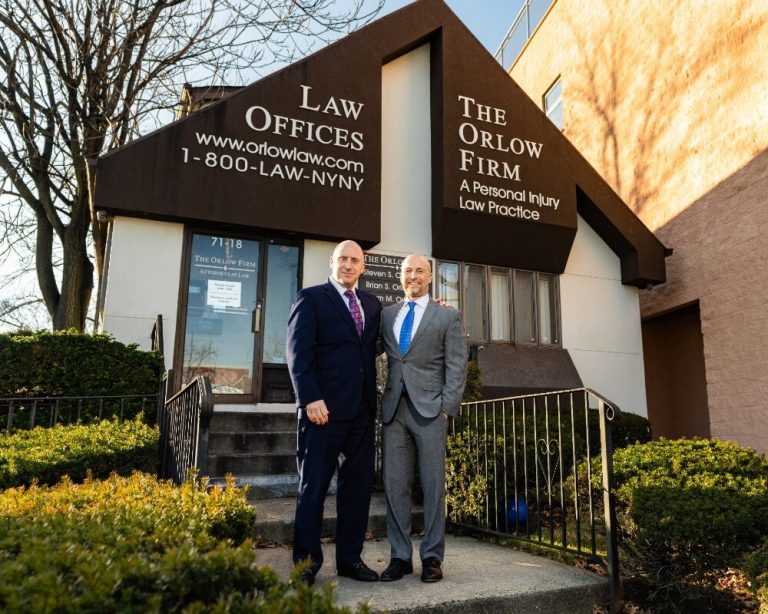
- Clear explanations about what duty of care means in your case and how it affects your rights.
- Help gathering evidence to show if the responsible party did not meet their duty of care.
- Guidance on next steps whether that means negotiating with insurance companies or preparing a legal claim.
- Support throughout the process so you understand your options and deadlines for filing a case in New York City.
Sources
- CPLR § 214 – Statute of Limitations for Personal Injury Actions (New York State Senate)
- CPLR § 1411 – Comparative Negligence / Culpable Conduct (New York State Senate)
- General Municipal Law § 50-e – Notice of Claim Against Government Entities (New York State Senate)
- Statute of Limitations Chart (NY CourtHelp)
The Following People Contributed to This Page
Written byParalegal & Office ManagerB.A.Sc., Political Science & Government, John Jay College of Criminal Justice (CUNY), 22+ years at The Orlow Firm, Bilingual: English and Spanish