Updated: January 21, 2026 · 23 min read
What Is a Bystander Emotional Distress Claim in New York?
Quick Answer: In New York, a bystander emotional distress claim, also referred to as a "zone of danger" claim, provides a pathway for an individual to seek recovery for severe emotional suffering. This distress must be a direct result of witnessing a close family member's injury or death, which itself was caused by another party's negligence. For such a claim to be successful, the bystander themselves must have been positioned within the "zone of danger," meaning they were also at imminent risk of physical harm from the negligent conduct.Here are the essential components of a bystander emotional distress claim in New York:
- Negligent Act: The foundation of the claim rests upon a defendant's negligent behavior. Their actions must have breached a reasonable duty of care, directly leading to harm for the primary victim, setting the stage for the bystander's emotional distress.
- Close Family Relationship: The individual who was seriously injured or killed must be an immediate family member of the bystander. Under New York law, this typically encompasses relationships such as spouses, children, parents, and siblings.
- Presence in Danger Zone: A critical requirement is that the bystander was physically situated within the "zone of danger." This means they were close enough to the negligent act that they faced their own reasonable threat of physical injury, even if they ultimately escaped without physical harm.
- Direct Observance: The bystander must have directly perceived the serious injury or death of their immediate family member. This generally requires a sensory awareness of the traumatic event as it unfolded.
- Severe Emotional Impact: As a direct consequence of witnessing the traumatic incident, the bystander must have experienced genuine and significant emotional distress. This emotional suffering must be a demonstrable outcome of the shocking event.
- Causal Link: A clear connection must exist, showing that the defendant's negligence was a substantial factor in causing both the serious physical harm to the family member and the resulting emotional distress suffered by the bystander.
- Illustrative Scenarios:
- A parent, standing on a sidewalk, observes their child being hit by a speeding vehicle, where the parent themselves barely avoids the same collision.
- An individual working alongside a sibling on a construction site witnesses their sibling sustain a severe injury due to a safety lapse, where the witness was also directly exposed to the hazard.
When Can You File a Bystander Emotional Distress Claim in NYC?
In New York City, you may be able to file a bystander emotional distress claim if you witnessed someone you love suffer a serious injury or death due to someone else’s negligence. These claims can be challenging, and New York law only allows them in limited situations. To move forward with a bystander emotional distress claim in NYC, the following conditions usually must be met:- You were at or near the scene of the accident: You must have been physically present when the event occurred or arrived very shortly after. Watching the event unfold in real time often plays a key role in these cases.
- You personally witnessed the injury or death: You must have directly seen or heard the accident happen—or its immediate aftermath—rather than learning about it later.
- You have a close relationship with the victim: New York courts typically require that the injured or deceased person be an immediate family member, such as a spouse, parent, child, or sibling.
- You suffered real emotional harm: You must show that experiencing the event caused significant emotional distress. This could include anxiety, depression, nightmares, or trouble functioning in daily life.
- Car accidents
- Construction site injuries
- Defective product accidents
- Medical malpractice events
- Public transit accidents, like subway or bus crashes
Who Qualifies as a “Bystander” Under New York Law?
Under New York law, not everyone who sees an accident is considered a legal “bystander” for emotional distress claims. The law sets clear rules about who may qualify to file this kind of claim. To be legally seen as a “bystander” in these cases, you usually must meet two main requirements:- You must be close to the scene: You must have been physically near the incident when it happened. Watching the event unfold in person, not hearing about it later or seeing it on video, is a key requirement.
- You must have a close relationship with the victim: The courts usually require that the bystander and the injured or killed person are closely related. Examples include a parent, child, spouse, or sibling.
- Feared for your own safety during the event — for example, being nearly struck by the same car that hit your family member
- Actually witnessed the injury or death of a loved one — not just learned about it afterward
What Must You Prove to Win a Bystander Emotional Distress Case in NYC?
To win a bystander emotional distress case in New York City, you must prove a few key things. These cases are not easy, and the law sets strict limits. Courts look closely at each detail to see if the claim meets legal standards. Here are the main facts you need to prove:- You were close to the scene: You must have been present at the time and place where the accident or injury happened. It’s not enough to hear about it later. You need to witness it firsthand.
- You saw or heard the injury happen in real time: Courts require that you directly observed the traumatic event. For example, if a parent sees a child hit by a car in front of them, this could meet the requirement.
- You are closely related to the injured person: In New York, you must have an “immediate family” relationship with the victim. This usually includes spouses, parents, children, or siblings. Being a close friend is not enough by law.
- You had a strong emotional reaction that caused harm: You must show that seeing the event caused serious emotional distress. This distress must go beyond normal sadness or grief. You may need medical records or expert opinions to prove this.
Can You Sue if You Witnessed a Loved One’s Injury or Death?
If you witnessed a loved one being seriously injured or killed in an accident, you may wonder if you can take legal action. In New York, it is possible to sue for emotional suffering as a bystander, but only under strict conditions. These types of cases are called bystander emotional distress claims. New York follows what's known as the "zone of danger" rule. This rule says you can only sue for emotional distress if:- You were in immediate physical danger yourself during the incident.
- You witnessed a close family member —like a child, spouse, or parent—get seriously injured or killed.
- A parent
- A spouse
- A child
- A sibling
- A grandparent (confirmed by the Court of Appeals in Greene v. Esplanade Venture Partnership, 2021)
How Does New York Limit Emotional Distress Claims for Bystanders?
New York law places strict limits on who can file a bystander emotional distress claim and under what conditions. While seeing a loved one get hurt or killed can be deeply upsetting, not all emotional distress claims are legally allowed. The rules are carefully designed to avoid a flood of lawsuits and to ensure that only the most serious cases move forward. To file a bystander emotional distress claim in New York, the situation must meet several specific legal rules. These limitations make it hard for many claims to succeed, even if the emotional impact is real and painful. Here are the main limits:- Close Relationship Required: You must be closely related to the person who was hurt or killed. This usually means a spouse, child, or parent. Siblings or grandparents may not qualify unless the relationship was especially close and dependent.
- You Must Be Nearby: You must be very close to the accident or event when it happens. Typically, you must be within the "zone of danger," meaning you were at risk of being harmed too. If you were not physically there, you may not have a valid claim.
- You Must Witness the Event: In most cases, you must see the injury or death actually happen. Hearing about it later or arriving at the scene afterward is not enough under New York law.
- Your Distress Must Be Serious: Feeling sad or shaken isn't enough. The emotional harm you suffer must be severe and lasting. You may need medical proof, like a diagnosis of post-traumatic stress disorder (PTSD) or another significant mental health condition.
What Types of Accidents Commonly Lead to Bystander Claims in NYC?
Bystander emotional distress claims in New York City can arise from many different types of accidents. These are situations where someone suffers serious emotional trauma after witnessing a loved one being injured or killed. The emotional harm must be direct and immediate, and the incident must have been especially shocking. Here are some common types of accidents that may lead to bystander emotional distress claims in NYC:- Car Accidents: If someone sees a close family member get seriously hurt or killed in a crash, they may be able to file a claim. For example, a parent watching their child hit by a car in a crosswalk could suffer deep emotional trauma.
- Construction Accidents: In New York City, construction sites are all around. If a family member is present when a loved one falls, is struck by a falling object, or is hurt by unsafe conditions, that can lead to a claim.
- Public Transportation Accidents: Bystanders who witness a loved one get injured or killed on a subway platform, escalator, or MTA bus, may be emotionally devastated. These incidents can be sudden and frightening, making the emotional impact even stronger.
- Pedestrian Accidents: NYC is a walking city. If someone sees a family member hit by a car or truck while crossing the street, that traumatic event may support an emotional distress claim.
- Workplace Injuries: In some cases, loved ones witness a family member get severely hurt on the job. If the event is particularly shocking and happens in front of the bystander, it may qualify for a claim.
- Violent Acts or Assaults: Seeing a family member assaulted or attacked in a public place or even at home can cause serious emotional harm. This is especially true if the event happens suddenly and involves severe physical injuries or death.
What Damages Can You Recover in a Bystander Emotional Distress Claim?
In a bystander emotional distress claim, you may be able to recover money for the emotional harm you suffered after witnessing a serious injury or death of a loved one. These types of damages are called non-economic damages because they don’t involve medical bills or lost wages, but rather pain, suffering, and mental trauma. In New York, the types and amount of damages you can recover depend on the details of your case and whether you meet specific legal requirements. Although each case is different, here are common types of damages that may be available in a bystander emotional distress claim:- Emotional pain and suffering : This includes the grief, shock, or mental anguish you felt after witnessing the event. For example, a parent who saw their child hit by a car may suffer ongoing anxiety or depression.
- Cost of mental health treatment : If you saw a traumatic incident and needed therapy, medication, or counseling because of it, you may recover these costs.
- Loss of enjoyment of life : This refers to changes in your daily life or relationships due to the emotional effects of witnessing the event. For example, you may withdraw from social activities or struggle with sleep or work.
- Impact on physical health : In some cases, emotional trauma can also affect your physical well-being. For example, severe stress may lead to headaches, heart issues, or other conditions. If a doctor connects these issues to the emotional distress, they may be part of your claim.
- You were close to the victim , such as a parent, spouse, or child.
- You were near the scene when the injury or death happened.
- You directly saw or heard the event unfold in real-time.
- Medical records from psychiatrists or psychologists
- Statements from therapists or other healthcare providers
- Testimony about changes in your behavior, emotions, or daily life
How Long Do You Have to File a Bystander Emotional Distress Claim in New York?
In New York, there is a time limit to file a bystander emotional distress claim. This time limit is called the statute of limitations. It's a legal deadline, and missing it could mean you lose your right to bring a case. For most personal injury cases in New York, including bystander emotional distress claims, you usually have three years from the date of the event to file a lawsuit. This means that if you witnessed a loved one get seriously injured on June 1, 2023, you would need to file your claim by June 1, 2026. However, there are some important factors that could affect this deadline:- If the trauma involves a minor: If the bystander is under 18 at the time of the incident, the countdown for the statute of limitations may start when they turn 18. But there are limits to how long that extension can last.
- If the claim is against a government agency: For example, if a city bus caused the accident, special rules apply. You may need to file a "Notice of Claim" within 90 days of the event. Then, the lawsuit itself must be filed within one year and 90 days from the date of the incident.
- If there are multiple victims: Sometimes emotional distress claims involve both the direct victim and the witnessing bystander. It's important that any related claims be filed right away to avoid legal issues later.
Frequently Asked Questions About Bystander Emotional Distress Claims in NYC
- Can I sue for emotional distress if I saw someone I love get hurt? Yes, but only in certain situations. In New York, you may file a bystander emotional distress claim if you saw a close family member get seriously injured or killed, and the event caused you severe emotional harm. You must have been physically close when it happened—usually right at the scene or almost right after it occurred.
- What counts as “severe” emotional distress? Severe emotional distress means more than just feeling upset or stressed. It must be intense and long-lasting. For example, many courts require proof of symptoms like anxiety, depression, or post-traumatic stress disorder (PTSD), often diagnosed and treated by a medical professional.
- Who qualifies as a “close family member” in these cases? Under New York law, this usually includes immediate family members like a spouse, child, or parent. In some rare cases, a sibling might qualify, but not always. Friends, fiancés, or more distant relatives typically do not meet the requirement.
- What if I watched the injury happen over the phone or on video? New York generally requires that you were physically present when you saw the injury happen—or arrived right after, before there were major changes to the scene. Watching it remotely often does not qualify for a claim.
- Do I need to be injured physically to file an emotional distress claim? No. A bystander emotional distress claim is based on the emotional trauma you suffered by witnessing the injury or death of a loved one. You don't have to suffer a physical injury yourself, but you do need strong medical proof of emotional harm.
- How do courts decide if my emotional distress claim is valid? Courts in New York look at several things:
- Your relationship to the injured person
- Whether you were at or very near the scene
- How soon you saw the injury happen
- Whether you suffered serious emotional harm as a result
- Is it hard to prove a bystander claim in NYC? Yes, these cases can be difficult. Courts apply strict rules, and you must show strong emotional harm and meet all legal conditions. That’s why many people in NYC speak with a personal injury lawyer to understand their options.
- How long do I have to file a bystander emotional distress claim in New York? In most cases, you have three years from the date of the event to file a claim. But different rules may apply depending on the details, especially if a city or state agency is involved. It’s best to act quickly and speak with an attorney as soon as possible.
- Can I get compensation for therapy or time off work? Possibly. If your claim is successful, you may recover damages for things like therapy costs, prescription medications, time missed from work, and overall pain and suffering caused by the emotional trauma.
- What kind of accidents can lead to bystander emotional distress claims in NYC? These claims often arise from:
- Car accidents
- Construction site injuries
- Pedestrian or bicycle accidents
- Fires or explosions
- Physical assaults or public violence
- The key is that the accident must have caused a serious injury or death, and you must have witnessed it firsthand.
- Should I talk to a lawyer about my case? If you’ve witnessed a loved one get seriously hurt or killed and are suffering emotionally, it’s a good idea to speak with a personal injury lawyer. The legal rules for bystander claims in NYC are strict. An attorney can help explain your rights, gather evidence, and guide you through the process.
Authoritative Sources & References
- Zone of Danger Rule — Cornell Law School, Legal Information Institute (Wex)
- CPLR § 214 — Three-Year Statute of Limitations for Personal Injury (NY Senate)
- General Municipal Law § 50-e — Notice of Claim Requirements (NY Senate)
- Statute of Limitations Chart — NY Courts
- CPLR § 208 — Infancy Toll on Statute of Limitations (Justia)
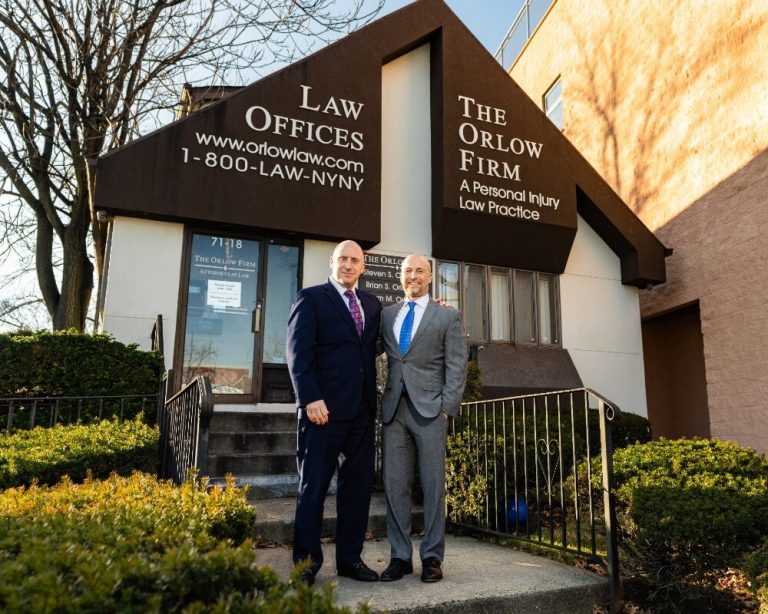
Contact The Orlow Firm for a Free Consultation on Your Bystander Emotional Distress Case
- Listen to your story and help you determine whether a legal claim may be possible.
- Explain New York’s legal limits on bystander claims, including who counts as an "immediate family member" and what kind of accident may apply.
- Collect and review evidence to help support your claim, including emotional, psychological, and medical records.
- Guide you through your options and offer support if other claims, such as wrongful death or negligence, may also be involved.
The Following People Contributed to This Page
Written byParalegal & Office ManagerB.A.Sc., Political Science & Government, John Jay College of Criminal Justice (CUNY), 22+ years at The Orlow Firm, Bilingual: English and Spanish