Updated: March 13, 2026 · 25 min read
What are Training & Supervision Failures by Employers on Construction Sites?
Quick Answer: Training and supervision failures on construction sites occur when employers do not properly educate workers on safety procedures or fail to monitor job performance to ensure tasks are done safely. This includes not providing OSHA-required training, neglecting to instruct workers on how to use equipment correctly, or allowing unqualified workers to perform hazardous tasks without oversight. Such failures can lead to preventable accidents and serious injuries. For personalized legal guidance, contact our NYC construction accident lawyers at (646) 647-3398.Common Causes of Inadequate Training and Supervision in Construction
On New York City construction sites—often fast-paced, multilingual, and high-risk—adequate training and proper supervision are essential to worker safety. Unfortunately, a range of recurring issues can lead to gaps in both areas, increasing the likelihood of serious accidents.- High Turnover Rates: The construction industry frequently experiences high turnover, resulting in a continual influx of new workers. This can strain training systems and lead to knowledge gaps, especially when orientation is rushed or inconsistent.
- Underinvestment in Safety Education: Some employers may not devote sufficient time or resources to comprehensive training. Instead of providing structured instruction on specific hazards, equipment use, and safety procedures, they may rely on brief or generalized orientation sessions that leave workers unprepared for the real risks on-site.
- Pressure to Meet Deadlines: In an effort to stay on schedule and control costs, some job sites may prioritize speed over safety. This can result in reduced or skipped training sessions and pressure on supervisors to overlook safety procedures.
- Lack of Experienced Supervisors: Effective site supervision requires qualified personnel with experience in construction safety. A shortage of trained supervisors can result in inadequate oversight, missed hazard identification, and insufficient enforcement of safety protocols.
- Poor Communication: On many NYC job sites, language differences or a lack of clear communication can interfere with effective training. Workers who do not fully understand safety instructions may face a greater risk due to misinterpretation or confusion.
- Failure to Update Training: Construction sites and equipment change frequently. Employers who do not update their training materials or retrain workers on new procedures may leave them unprepared for evolving risks.
This content is for general informational purposes only and does not constitute legal advice or create an attorney-client relationship. Prior results do not guarantee a similar outcome.
The Impact of Training & Supervision Failures on Worker Safety
Training and supervision failures on construction sites in New York City can significantly affect worker safety. These oversights often lead to preventable accidents that result in serious injuries or, in the most severe cases, fatalities. Understanding the risks associated with inadequate training and oversight is critical for both employers and workers in the construction industry. Increased Risk of Accidents Without proper training, workers may lack the knowledge and skills necessary to safely operate equipment, use protective gear, or recognize common hazards. In high-risk environments like construction sites, even a minor error can result in major consequences. Common Types of Injuries When training and supervision are insufficient, construction workers are more vulnerable to a range of injuries, including:- Falls: Inadequate instruction on fall protection or ladder safety can increase the risk of falls from heights, one of the leading causes of injury on job sites.
- Struck-by Incidents : Workers may be hit by falling tools, moving vehicles, or materials if they are not properly trained to recognize site-specific hazards.
- Electrocutions: Lack of electrical safety training can result in workers coming into contact with live wires or unsafe power sources.
- Caught-in/between Accidents: Poor supervision may lead to workers being caught between heavy machinery, collapsing structures, or materials.
Ensuring proper training and effective supervision is not only a regulatory requirement—it’s a critical safety measure. In cases where a third party is responsible for overseeing site safety or equipment use, and their negligence contributed to an accident, injured workers may have the right to pursue compensation beyond workers’ compensation.
If you or someone you love has been injured due to a lack of adequate training or supervision, and you suspect a third party may be involved, contact The Orlow Firm at (646) 647-3398 to schedule a free, no-obligation consultation. We work on a contingency fee basis—there are no legal fees unless we recover compensation on your behalf.
Legal Rights and Protections for NYC Construction Workers
Construction sites in New York City are among the most hazardous workplaces in the country. When safety protocols break down, particularly due to inadequate training or supervision, the consequences can be life-altering. While New York workers’ compensation offers basic protection, injured workers may have additional legal rights depending on how the injury occurred and who was involved. Below is a breakdown of the key legal protections and remedies available to injured construction workers in New York.1. Workers’ Compensation
Under New York law, most injured workers are covered by the state’s workers’ compensation system, regardless of fault. These benefits may include:
- Medical expenses related to the injury
- Partial wage replacement, typically up to two-thirds of your average weekly wage, subject to a statutory maximum
- Disability benefits for temporary or permanent impairments
- Death benefits are paid to eligible family members in fatal cases
Workers' compensation is typically the exclusive remedy against an employer, meaning you generally cannot sue your employer directly for negligence in training or supervision.
WCL § 11 (Grave Injuries): In limited cases, such as where the injury qualifies as a “grave injury” (e.g., loss of a limb, permanent disfigurement, or total disability), an employer may be brought into a third-party action for indemnification or contribution. Intentional misconduct by the employer may also remove the liability shield.
2. Third-Party Claims
If your injury was caused in whole or in part by a party other than your employer, such as a subcontractor, property owner, equipment manufacturer, or safety consultant, you may have the right to file a third-party personal injury claim.
These claims allow you to seek compensation beyond workers’ comp, including:
- Pain and suffering
- Full wage loss
- Loss of earning capacity
- Future medical expenses
To succeed, you must show that the third party acted negligently or violated a legal duty that contributed to your injury.
3. Labor Law Protections for Construction Workers
New York State provides additional protections through Labor Law § 200, § 240, and § 241, which apply specifically to construction-related work:
- Section 200: Imposes a general duty to provide a safe worksite.
- Section 240 (Scaffold Law): Establishes strict absolute liability for gravity-related injuries—such as falls from scaffolds or being struck by falling objects—when proper safety devices are not provided.
- Section 241(6): Requires compliance with detailed industrial safety rules during construction, demolition, or excavation work. Violations may support a personal injury claim.
These provisions typically apply to property owners, general contractors, and agents, not to direct employers protected under workers' compensation exclusivity.
4. Federal OSHA Requirements
The Occupational Safety and Health Administration (OSHA) establishes federal safety standards that apply to most private-sector construction sites in New York. Employers must provide:
- Training that is comprehensive, understandable, and task-specific
- A workplace that is free from recognized hazards
- Access to safety equipment and personal protective gear
Although OSHA does not create a private right of action (you cannot sue under OSHA alone), violations may support a third-party or Labor Law claim and can result in regulatory penalties.
5. NYC Local Law 196 and Site Safety Training (SST)
Local Law 196, enacted by the New York City Council in 2017, requires specific safety training for construction workers and supervisors at job sites that mandate a Site Safety Plan, such as those requiring a Construction Superintendent, Site Safety Coordinator, or Site Safety Manager.
Training Requirements enacted by NYC Local Law 196:
- 40-Hour Site Safety Training (SST) Card is required for most workers.
- 62-Hour SST Supervisor Card is required for supervisors, including:
- Site Safety Managers
- Site Safety Coordinators
- Concrete Safety Managers
- Construction Superintendents
- Competent persons
- New workers can begin employment after completing an OSHA 10 course, but they must complete the full 40 hours of training within six months to continue working.
- Training topics include:
- Fall prevention
- Personal protective equipment (PPE)
- Tool and equipment safety
- Emergency procedures
- Site-specific hazard recognition
- Delivery persons
- Flag persons
- Professional engineers
- Registered architects
- Special inspectors
- Workers at sites with only minor alterations or new construction of 1-, 2-, or 3-family homes
- Employers and permit holders must attest to DOB that workers are properly trained.
- Violations carry penalties of up to $5,000 per untrained worker for the owner, permit holder, and employer.
- An additional $2,500 fine applies if a site fails to maintain a log showing proof of training for all workers.
Card-Carrying Requirement
Workers must carry a valid SST card on their person at all times while on qualifying job sites. The SST card must be presented upon request by DOB inspectors or authorized site personnel. Employers are responsible for verifying compliance and maintaining proper records.
Worker Wallet Card Requirement
Effective July 1, 2025, in addition to the SST card, workers performing certain regulated tasks must also carry the newly issued Worker Wallet Card, which consolidates multiple DOB-issued certifications. This card replaces older individual certification cards for:
- Supported Scaffold Installer & Remover
- Supported Scaffold User
- Suspended Scaffold Supervisor
- Suspended Scaffold User
- Rigging Supervisor
- Rigging Worker
- Climber/Tower Crane Rigger
- Mast Climber User/Operator
- Periodic Gas Piping Inspector
Failure to present a valid Worker Wallet when performing these regulated tasks may result in removal from the job site.
Consequences of Non-Compliance with NYC Local Law 196:
Failure to comply with Local Law 196 can result in:
- Civil penalties of up to $5,000 per untrained worker are issued to the property owner, permit holder, and employer
- Stop-work orders issued by the New York City Department of Buildings (DOB) until compliance is achieved
- Fines of up to $2,500 for failure to maintain a training log on site
- Denial, suspension, or revocation of permits for non-compliant sites
- Potential use of training violations as evidence of negligence or safety breaches in third-party personal injury or Labor Law claims involving injured workers
6. Claims Involving Municipal Entities
If your injury occurred on a project involving a public agency or municipally owned property, different legal timelines apply. Under New York General Municipal Law § 50-e, you must:
- File a Notice of Claim within 90 days of the incident
- Commence the lawsuit within one year and 90 days
Failing to meet these deadlines can forfeit your right to pursue compensation.
Protect Your Rights with Legal Guidance
Injuries caused by training and supervision failures can have lasting effects on your health, finances, and career. While workers’ compensation provides an initial safety net, it may not account for all losses—especially when another party’s negligence contributed to your accident.
If you or a loved one has been injured on a New York City construction site and suspects that a third party or regulatory violation may be involved, contact The Orlow Firm at (646) 647-3398 for a free, no-obligation consultation. We work on a contingency fee basis—you pay no legal fees unless we recover compensation on your behalf.
This material is for general informational purposes only and does not constitute legal advice or create an attorney-client relationship. Prior results do not guarantee a similar outcome. Contingency fee arrangements apply.
Identifying Signs of Employer Negligence in Construction Training
Construction sites in New York City are inherently high-risk environments, making proper training and supervision critical to worker safety. When employers fail to meet these obligations, the risk of preventable accidents increases significantly. Recognizing signs of inadequate training can help protect yourself and others on the job.
Key Indicators of Employer Negligence in Training and Supervision:
- Absence of Formal Training Programs: A lack of structured training—such as comprehensive onboarding or task-specific instruction—can signal employer negligence. Workers should be educated on safety procedures, equipment handling, and emergency protocols.
- Outdated or Generic Safety Instructions: Safety training should be relevant and current. Generalized or outdated information may indicate insufficient preparation for site-specific hazards.
- Frequent On-Site Incidents: A recurring pattern of accidents may reflect deficiencies in training or supervision, warranting further attention.
- Unqualified or Inattentive Supervisors: Supervisors should be adequately trained and capable of enforcing safety standards. Gaps in leadership or oversight can increase the risk of injury.
- Improper Equipment Usage: When workers are not trained to use machinery or tools correctly, it can lead to hazardous outcomes—this often stems from poor or absent training.
- Lack of Personal Protective Equipment (PPE): Employers are legally required to provide appropriate PPE and training on its use. Any failure to do so may constitute a safety violation.
- Non-Compliance with OSHA Standards: Employers who disregard OSHA training or safety requirements may be in breach of their duty to maintain a safe work environment.
If you believe your employer has failed to provide proper training or supervision, document what you've observed and report it to your supervisor, safety officer, or union representative. In cases involving injury or significant safety risk, consulting with a legal professional may help you understand your rights under New York law.
For a confidential consultation regarding your options, you may contact The Orlow Firm at (646) 647-3398.
This material is for general informational purposes only and does not constitute legal advice or create an attorney-client relationship. Prior results do not guarantee a similar outcome. Contingency fee arrangements apply.
Steps to Take if You're Affected by Poor Training on a Construction Site
If you’re facing safety concerns due to inadequate training, it’s important to act quickly and follow procedures that protect both your health and your legal rights.
What You Should Do:
- Ensure Immediate Safety: If a training gap poses a serious risk, remove yourself from the area and notify the designated safety officer or supervisor right away.
- Document Your Training: Keep records of any safety training you received—dates, subjects covered, and who conducted the sessions. Note what was missing or unclear.
- File a Report: Submit your concerns to your employer in writing, if possible. A paper trail can be useful for follow-up or future claims.
- Collect Supporting Evidence: Photos, training materials, emails, and coworker testimony can all help establish that proper training was not provided.
- Seek Medical Attention (if applicable): Prompt medical care is essential. Save all records, as they may be relevant in workers’ compensation or third-party claims.
- Understand Your Rights: Under New York Labor Law and OSHA standards, you have the right to a safe and adequately supervised work environment.
- Speak with a Legal Professional: An attorney can help assess whether you have grounds for a claim, such as under Labor Law §§ 200, 240, or 241, or a potential third-party liability case.
- Report to OSHA: If your concerns are not addressed internally, consider filing a complaint with OSHA. They may investigate and issue citations where violations are found.
Addressing poor training proactively not only protects your own safety but can also help prevent harm to others. For workers seeking to understand their legal options, The Orlow Firm offers consultations at (646) 647-3398.
This material is for general informational purposes only and does not constitute legal advice or create an attorney-client relationship. Prior results do not guarantee a similar outcome. Contingency fee arrangements apply.
How The Orlow Firm Assists Victims of Training & Supervision Failures
When construction accidents result from inadequate training or supervision, the legal implications can be complex. At The Orlow Firm, we are committed to helping injured workers understand their rights and explore all available legal remedies under New York law.
Comprehensive Case Evaluation: We begin by conducting a detailed review of the circumstances surrounding the accident. This includes examining employer training protocols, supervision records, witness accounts, and compliance with relevant safety laws, including OSHA standards and applicable provisions of New York Labor Law. Our goal is to assess whether there is a viable claim under workers' compensation, Labor Law §§ 200, 240, or 241, or potential third-party liability.Evidence Collection and Legal Investigation: A successful claim often depends on strong supporting evidence. Our team works to collect and preserve critical documents such as safety logs, accident reports, site photographs, and medical records. When needed, we consult with industry professionals or safety experts to evaluate whether accepted training standards were breached.
Advocacy in Insurance Negotiations: Insurance companies may attempt to minimize payouts or deny claims altogether. Our attorneys handle all communications with insurers and opposing counsel, advocating for full and fair compensation. We pursue recoveries for medical expenses, lost wages, pain and suffering (where applicable), and future financial impact, when supported by law.
Litigation and Court Representation: If settlement negotiations are unsuccessful, we are prepared to litigate. Our attorneys have experience pursuing claims through New York’s court system and understand how to present cases involving employer negligence and statutory violations. While every case is unique, our focus is on helping you pursue the maximum recovery to which you may be legally entitled.
Personalized and Respectful Client Service: Construction site injuries can be physically and emotionally taxing. We provide compassionate legal support throughout the process, keeping clients informed at every stage and addressing questions or concerns promptly. You will never be left wondering where your case stands.
Contact The Orlow Firm
If you or someone you care about was injured due to training or supervision failures on a New York City construction site, you may have legal options. Contact The Orlow Firm at (646) 647-3398 for a confidential consultation. There is no fee unless we recover compensation on your behalf.
Attorney Advertising. Prior results do not guarantee a similar outcome. This material is for informational purposes only and does not constitute legal advice or create an attorney-client relationship.
Frequently Asked Questions About Construction Site Safety and Training
Construction work in New York City is inherently dangerous. When employers fail to provide proper training or supervision, the risks increase significantly. Below are answers to frequently asked questions that may help workers and their families better understand their rights and responsibilities:- What constitutes a training failure on a construction site? A training failure occurs when employers do not provide adequate instruction or resources for workers to safely perform their tasks. This can include a lack of safety training, insufficient information about equipment operation, or missing updates on safety protocols.
- How does inadequate supervision contribute to construction accidents? Inadequate supervision can increase the likelihood of accidents when supervisors fail to enforce safety protocols, do not monitor work practices, or are not present to intervene when hazards arise. Supervision is essential for maintaining a safe and compliant job site.
- What are the legal requirements for employer-provided training on construction sites in NYC? New York employers must comply with OSHA’s federal safety training standards. In addition, NYC Local Law 196 requires workers at many construction sites to complete 40 hours of Site Safety Training (SST) and obtain a valid SST card. Supervisors are required to complete 62 hours of training. Topics include fall prevention, PPE use, and emergency procedures.
- Can I file a claim if I was injured due to a lack of training? You may be eligible to file a workers’ compensation claim if you’re injured on the job. In some cases, you may also have the right to pursue a third-party personal injury claim—especially if a contractor, equipment manufacturer, or property owner contributed to the unsafe condition.
- What should I do if I notice a lack of training or supervision at my construction site? Report the issue to your employer or site safety manager in writing. If no action is taken, you can file a confidential complaint with OSHA. It is unlawful for your employer to retaliate against you for reporting a safety concern.
- How can The Orlow Firm help if I've been affected by training or supervision failures? The Orlow Firm can help by evaluating your circumstances, advising you of your rights, and pursuing the appropriate legal remedies available under New York law. For a confidential consultation, contact us at (646) 647-3398.
Attorney Advertising. Prior results do not guarantee a similar outcome. This content is for informational purposes only and does not constitute legal advice.
The Role of OSHA in Enforcing Training Standards on Construction Sites
The Occupational Safety and Health Administration (OSHA) plays a critical role in ensuring safe working conditions on construction sites, including those in New York City. OSHA enforces federal workplace safety laws, requiring employers to provide effective training that enables workers to identify hazards and perform their tasks safely.
Understanding OSHA’s Training Requirements
OSHA regulations mandate that employers deliver job-specific safety training that is understandable and relevant to workers’ roles. Core training elements include:
- Hazard Recognition: Workers must be able to identify job site hazards such as fall risks, electrical exposure, and equipment dangers.
- Safe Work Practices: Employers must train workers in proper safety procedures and in the correct use of personal protective equipment (PPE).
- Emergency Response: Training must cover emergency protocols, including evacuation procedures and access to first aid resources.
Inspections and Enforcement
OSHA conducts both scheduled and unannounced inspections to assess compliance. Inspections may also be triggered by worker complaints or after workplace incidents. If violations are found:
- Employers may be issued citations and fines;
- They may be required to correct safety violations within a designated timeframe;
- Repeated or willful violations can result in enhanced penalties.
OSHA’s Role in NYC Construction
New York City’s construction environment presents additional complexities—such as confined spaces, high-rise structures, and overlapping contractor responsibilities. OSHA regulations are especially significant in this context due to the heightened risk of serious injuries. Employers operating in NYC are expected to comply with both federal OSHA standards and local safety regulations, including NYC Local Law 196.
Challenges to Compliance
Despite OSHA’s standards, non-compliance may occur due to:
- Lack of awareness or training on employer responsibilities
- Cost-cutting measures that reduce training budgets
- Intentional neglect of regulatory obligations
Workers should be informed of their rights to a safe workplace and empowered to report unsafe conditions. Retaliation against employees for filing complaints or reporting hazards is prohibited under federal law.
If you or someone you know was injured on a construction site and suspects that inadequate training or supervision contributed to the incident, legal remedies may be available. For information about your rights and available legal options, contact The Orlow Firm at (646) 647-3398 for a confidential consultation.
Protecting Yourself from Training Failures on NYC Construction Sites
Construction sites in New York City present numerous safety challenges. When employers fail to provide proper training and supervision, the risk of injury increases significantly. While the primary legal responsibility for workplace safety rests with employers, there are proactive steps workers can take to protect themselves from training-related hazards:
1. Understand Your Legal Rights
Under Occupational Safety and Health Administration (OSHA) standards and New York Labor Law, construction workers are entitled to adequate safety training relevant to their job duties. This includes instruction in equipment usage, hazard recognition, and emergency procedures. Familiarity with these rights empowers workers to identify when an employer is not in compliance.
2. Request Adequate Training
If you believe your training has been insufficient or outdated, you have the right to request appropriate instruction. Employers must ensure training is provided in a manner that is understandable and tailored to specific site conditions and roles.
3. Report Unsafe Conditions Promptly
Unsafe conditions or observable training deficiencies should be reported immediately to your supervisor, site safety manager, or designated safety officer. If internal channels do not resolve the issue, you may file a confidential complaint with OSHA. Federal law prohibits employer retaliation for raising safety concerns.
4. Use Required Personal Protective Equipment (PPE)
Employers are obligated to provide necessary PPE and ensure you are trained in its correct use. Always use PPE—such as helmets, gloves, safety glasses, and fall protection—as directed. Inadequate training in PPE usage is a serious safety issue.
5. Stay Informed and Engaged
Attend all employer-sponsored safety trainings, briefings, and toolbox talks. Stay current on updated safety standards and Local Law 196 Site Safety Training (SST) requirements, including the 40-hour SST card for workers and 62-hour SST card for supervisors.
6. Communicate with Supervisors and Coworkers
Promote open dialogue about safety concerns. Workers often recognize risks others might miss. Effective communication fosters a safer and more cooperative work environment.
7. Document Your Training and Observations
Maintain records of any training you receive—dates, instructors, materials, and topics covered. If you experience or witness training deficiencies or safety lapses, document them as thoroughly as possible. This may be important in the event of a legal claim or OSHA inquiry.
What to Do If You’re Injured Due to Training Failures If you believe that inadequate training or supervision contributed to your injury, you may be eligible for workers’ compensation and possibly a third-party claim if another entity (not your employer) contributed to the unsafe condition.
For information regarding your rights or to discuss the specific details of your situation, you may contact The Orlow Firm at (646) 647-3398. Consultations are available at no upfront cost, and attorney fees are only collected if compensation is recovered.Attorney Advertising Disclaimer: This content is for general informational purposes only and does not constitute legal advice. No attorney-client relationship is formed by reading this material or contacting the firm. Prior results do not guarantee a similar outcome.
Contacting The Orlow Firm for Assistance with Construction Site Incidents
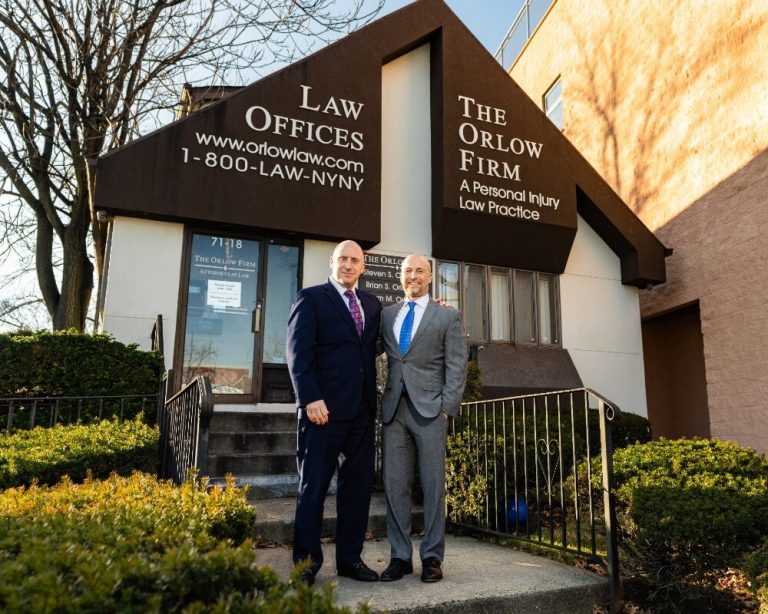
If you or a loved one has been affected by inadequate training or supervision on a New York City construction site, it is important to understand your legal rights and seek professional assistance. Employers have a legal obligation to provide a safe work environment, including adequate safety training and oversight. Failure to meet these obligations may result in preventable injuries and potential liability.
Here’s how The Orlow Firm can assist you:
- Case Evaluation: Our attorneys assess the circumstances of your case, including how the incident occurred, the nature of your injuries, and any evidence of employer negligence. This helps determine potential claims and the appropriate legal course of action.
- Clarifying Legal Rights: We explain applicable legal protections under New York law, including those found in OSHA standards and New York Labor Law Sections 200, 240, and 241. We aim to help you understand whether you may be eligible to pursue workers' compensation benefits and/or a third-party personal injury claim.
- Evidence Collection: Our legal team can assist in preserving and gathering relevant documentation such as safety protocols, witness statements, incident reports, and expert assessments to support your claim.
- Communication with Insurers: We handle negotiations and communications with insurance companies to help ensure that your rights are protected during the claims process and that any proposed settlement reflects your actual damages.
- Litigation When Necessary: If a fair settlement cannot be reached, we are prepared to litigate the matter in court. Our firm has experience pursuing cases involving employer negligence and construction site injuries.
Contact The Orlow Firm
If you believe that inadequate training or supervision contributed to a construction-related injury, The Orlow Firm can provide guidance tailored to your situation. For more information or to schedule a consultation, contact us at (646) 647-3398.
Sources & Official Resources
New York State Laws Cited
- Labor Law § 200 — General Duty to Protect Health and Safety
- Labor Law § 240 — Scaffolding and Other Devices (Scaffold Law)
- Labor Law § 241 — Construction, Excavation and Demolition Work
- Workers’ Compensation Law § 11 — Alternative Remedy (Grave Injury)
- General Municipal Law § 50-e — Notice of Claim
Federal Safety Standards
- OSHA — Construction Industry Training Requirements
- 29 CFR 1926.21 — Safety Training and Education
- OSHA — Worker Rights and Protections
NYC Local Law & DOB Resources
- NYC Local Law 196 of 2017 — Construction Safety Training (Full Text)
- NYC DOB — SST Card Information for Workers
- NYC DOB — Local Law 196 Safety Training Requirements (One-Pager)
- NYC DOB — Worker Wallet Card Implementation
Workers’ Compensation
Attorney Advertising Disclaimer: This content is for informational purposes only and does not constitute legal advice. No attorney-client relationship is formed by reading this content or contacting the firm. Prior results do not guarantee a similar outcome.
The Following People Contributed to This Page