Updated: September 24, 2025 · 25 min read
What is NYCRR § 23-1.15?
Understanding NYCRR § 23-1.15 is crucial for anyone navigating personal injury claims in New York City, especially those related to construction accidents. This section of the New York Codes, Rules, and Regulations (NYCRR) plays a vital role in ensuring the safety of construction workers by mandating specific safety measures for the use of safety railings. As a part of the broader set of regulations under Part 23, which deals with protection in construction, demolition, and excavation operations, NYCRR § 23-1.15 specifically outlines the requirements for safety railings to prevent falls and related injuries. NYCRR § 23-1.15 mandates that safety railings must be installed wherever there is a risk of falling from an elevated surface, such as scaffolding, platforms, and other work areas above ground level. The regulation specifies that these railings should be constructed to withstand a minimum force, ensuring they are robust enough to prevent falls. This is especially pertinent in New York City, where high-rise construction is commonplace, and the risk of falls is significantly heightened. Additionally, the regulation requires that the railings be of a certain height and be constructed from materials that are durable and capable of providing adequate protection. The specifics of these requirements are designed to minimize the risk of accidents and injuries on construction sites. By adhering to these standards, employers can significantly reduce the likelihood of fall-related accidents, which are a leading cause of injuries in the construction industry. The importance of NYCRR § 23-1.15 cannot be overstated, as it serves as a protective measure for workers who are often exposed to hazardous conditions. Compliance with these regulations is not only a legal obligation for employers but also a moral one, ensuring the safety and well-being of their workforce. For construction workers and their families, understanding these regulations can be the first step in recognizing potential safety violations and taking appropriate action if an accident occurs. If you or a loved one has been injured in a construction accident due to a violation of NYCRR § 23-1.15, it's important to consult with a knowledgeable attorney who can help you understand your rights and options. The Orlow Firm is here to assist you with any questions or concerns you may have. For personalized legal assistance, please contact us at (646) 647-3398.Key Safety Requirements Under NYCRR § 23-1.15
NYCRR § 23-1.15 is part of the New York State Industrial Code, specifically addressing the safety requirements for construction, demolition, and excavation operations. This regulation is crucial in ensuring the safety of workers in these high-risk environments. Understanding the key safety requirements under NYCRR § 23-1.15 can help both workers and employers maintain safer work sites and prevent accidents. Here are the fundamental safety requirements outlined under NYCRR § 23-1.15:- Guardrails and Safety Railings: All elevated working areas must have guardrails or safety railings to protect workers from falls. These barriers should be strong enough to withstand the weight and force of a person leaning against them. In New York City, where construction often involves working at significant heights, this requirement is particularly critical to prevent falls.
- Toe Boards: Elevated platforms must be equipped with toe boards to prevent tools or materials from being accidentally kicked off the edge. This helps protect workers below from being struck by falling objects, which is a common hazard on construction sites.
- Openings: Any floor openings or holes must be securely covered or protected by guardrails. The covers should be capable of supporting the weight of a worker and any equipment that might be used on them. In a bustling city like New York, where construction sites are often near pedestrian areas, this is essential to ensure the safety of both workers and the public.
- Maintenance of Safety Equipment: Safety equipment such as guardrails and toe boards must be regularly inspected and maintained in good condition. Employers are responsible for ensuring that any damaged or missing safety features are repaired or replaced promptly.
Common Violations of NYCRR § 23-1.15 in New York City
In New York City, construction sites are bustling hubs of activity, and unfortunately, they can also be hotspots for safety violations. The New York Codes, Rules and Regulations (NYCRR) § 23-1.15 sets forth specific safety standards to ensure the well-being of construction workers, particularly concerning the use and maintenance of safety railings and barriers. Despite these regulations, violations are not uncommon. Here are some of the most frequent infractions observed in NYC:- Inadequate Safety Railings: One of the most common violations is the failure to install proper safety railings on platforms, scaffolds, and other elevated work areas. This can lead to dangerous falls, which are a leading cause of construction site injuries.
- Improper Installation: Even when railings are installed, they may not meet the required standards if they are not securely fastened or are made from substandard materials. This can result in railings collapsing under minimal pressure.
- Insufficient Height: Railings that do not meet the minimum height requirement as stipulated by NYCRR § 23-1.15 can fail to prevent workers from falling over the edge. This is particularly dangerous in high-rise construction projects common in NYC.
- Lack of Midrails and Toeboards: Regulations require midrails and toeboards to prevent objects or people from falling through gaps. Missing or improperly installed midrails and toeboards are frequent violations that compromise worker safety.
- Neglecting Regular Inspections: Regular inspections of safety barriers are crucial to ensure they remain effective. Many violations occur because of neglected maintenance, leading to deteriorated or damaged railings that are no longer safe.
How NYCRR § 23-1.15 Protects Construction Workers
In the bustling environment of New York City’s construction sites, safety regulations are paramount to ensure the well-being of workers. NYCRR § 23-1.15 plays a crucial role in safeguarding construction workers by setting specific requirements for safety railings that prevent falls from elevated work areas. These safety measures are not just regulatory formalities but essential protections that significantly reduce the risk of falls and related injuries.- Handrails: NYCRR § 23-1.15 requires a horizontal wooden handrail (minimum two-inch by four-inch lumber) installed between 36 and 42 inches above the walking level, supported by vertical posts at intervals of no more than eight feet. This provides a sturdy barrier that prevents workers from falling off elevated platforms, scaffolds, and other work surfaces.
- Midrails: The regulation also requires a horizontal midrail (one-inch by four-inch lumber) positioned halfway between the handrail and the toeboard or floor. This fills the gap between the handrail and the walking surface, preventing workers from slipping through or under the railing.
- Toeboards: A one-inch by four-inch toeboard is required at the base of the railing assembly, except at grade or ground level or where the railing is not adjacent to an area occupied by any person. Toeboards prevent tools, materials, and debris from sliding off the edge and striking workers below.
- Smooth Handrails: The regulation specifies that the handrail of every safety railing must be smooth and free from splinters and protruding nails. This protects workers from hand injuries while gripping the railing for stability.
- Alternative Materials: While the regulation establishes minimum standards using wooden construction, it permits the use of other materials or construction methods provided they offer equivalent strength and safety. This allows for modern materials such as metal or composite railings that meet or exceed the baseline safety requirements.
Legal Implications of NYCRR § 23-1.15 Non-Compliance
Non-compliance with NYCRR § 23-1.15 can have significant legal implications, particularly in the context of construction work in New York City. This regulation is part of a broader set of standards designed to ensure the safety of construction sites and protect workers from potential hazards. When these regulations are not followed, the consequences can be severe for both employers and employees.- Liability for Injuries: If a construction worker is injured due to a violation of NYCRR § 23-1.15, the employer or property owner may be held liable. This can lead to personal injury claims where the injured worker seeks compensation for medical expenses, lost wages, and pain and suffering. The regulation is designed to ensure that safety measures, such as proper scaffolding and guardrails, are in place to prevent falls and other accidents.
- Increased Risk of Litigation: Employers who fail to comply with NYCRR § 23-1.15 may face lawsuits not only from injured workers but also from regulatory bodies. The New York State Department of Labor can impose fines and penalties on companies that do not adhere to safety regulations. This can result in costly legal battles and reputational damage for the business involved.
- Workers’ Compensation Claims: Although workers’ compensation is typically a no-fault system, non-compliance with safety regulations can complicate claims. If an investigation reveals that a violation of NYCRR § 23-1.15 contributed to an accident, it may influence the outcome of a workers’ compensation claim or lead to additional claims under New York's Labor Laws, such as Labor Law § 240, commonly known as the "Scaffold Law."
- Criminal Charges: In extreme cases where negligence is egregious, criminal charges may be brought against those responsible for maintaining safety standards. This is particularly true if non-compliance results in severe injury or death.
Understanding Employer Responsibilities Under NYCRR § 23-1.15
Employers in New York City have a critical role in ensuring the safety of construction workers, particularly in compliance with regulations such as NYCRR § 23-1.15. This section of the New York Codes, Rules and Regulations (NYCRR) focuses on safety railings — the physical barriers that prevent workers from falling off elevated work surfaces on construction sites. Understanding these responsibilities can help employers create safer work environments and avoid legal repercussions. Installation of Compliant Safety Railings: Employers are required to install safety railings that meet the minimum specifications set by the regulation. This includes handrails between 36 and 42 inches high, supported by posts at no more than eight-foot intervals, along with midrails and toeboards. These railings must be installed on all elevated work areas where there is a risk of falls. Maintenance and Condition: Employers must ensure that all safety railings remain in good condition. Handrails must be smooth and free from splinters and protruding nails. Damaged or deteriorated railings must be repaired or replaced promptly to maintain their protective function.- Regular Inspections: Employers must conduct regular inspections of the worksite to ensure that all safety railings are properly installed and structurally sound. This includes verifying that railings meet the dimensional requirements and can withstand the necessary force.
- Documentation: Keeping detailed records of safety inspections and maintenance is crucial. This documentation can be critical in the event of an accident or regulatory review.
- Immediate Corrective Actions: If any safety railing deficiencies are identified — such as missing toeboards, damaged handrails, or inadequate post spacing — employers must take immediate corrective actions to restore compliance.
- Alternative Materials: If employers choose to use materials other than the standard wooden construction specified in the regulation, they must ensure that such alternative assemblies provide equivalent strength and equivalent safety.
Steps to Take if Injured Due to NYCRR § 23-1.15 Violations
If you or a loved one has been injured due to violations of NYCRR § 23-1.15, it's crucial to take immediate and informed steps to protect your rights and potential legal claims. This regulation is designed to ensure safety on construction sites, and any breach could lead to serious accidents and injuries. Here's what you should do if you find yourself in such a situation:- Seek Medical Attention Immediately : Your health and safety are the top priorities. Even if your injuries seem minor, it's important to get a professional medical evaluation. Some injuries might not be immediately apparent but can have long-term implications.
- Report the Incident : Notify your employer or site supervisor about the accident as soon as possible. This creates an official record of the incident, which can be vital for any future legal action or workers' compensation claims.
- Document Everything : Gather as much evidence as you can. Take photographs of the accident scene, your injuries, and any equipment or conditions that contributed to the incident. If there are witnesses, collect their contact information and statements.
- Keep Records : Maintain a detailed record of all medical treatments, consultations, and any related expenses. This documentation will be critical in building your case and ensuring you receive appropriate compensation.
- Avoid Making Statements : Be cautious about discussing the incident with insurance companies or signing any documents without legal advice. Insurance adjusters might try to minimize your claim, and statements can be used against you.
- Consult a Qualified Personal Injury Lawyer : Navigating the legal landscape in NYC, especially concerning construction regulations like NYCRR § 23-1.15, can be complex. A lawyer experienced in construction accident cases can help you understand your rights, evaluate your case, and guide you through the legal process.
How The Orlow Firm Can Assist With NYCRR § 23-1.15 Cases
At The Orlow Firm, we understand the complexities and challenges that arise from construction accidents involving NYCRR § 23-1.15 violations. Our team of dedicated personal injury attorneys is well-versed in New York City construction laws and regulations, including the intricate details of NYCRR § 23-1.15. Here's how we can assist you:- Legal Guidance: We provide comprehensive legal advice to help you understand your rights and the legal options available to you if you've been injured due to a violation of NYCRR § 23-1.15. Our attorneys are experienced in navigating the complexities of New York construction law, ensuring that you are well-informed throughout the legal process.
- Thorough Investigation: Our team conducts a detailed investigation into the circumstances surrounding your accident. We gather evidence, review safety protocols, and consult with industry experts to build a strong case demonstrating how the violation of safety regulations contributed to your injuries.
- Negotiating with Insurance Companies: Dealing with insurance companies can be daunting, especially when you're recovering from an injury. We handle all communications and negotiations on your behalf, working tirelessly to secure a fair settlement that covers your medical expenses, lost wages, and other damages.
- Litigation Support: If a fair settlement cannot be reached, we are prepared to take your case to court. Our attorneys have a proven track record of success in litigating construction accident cases, and we will advocate aggressively to ensure your rights are protected and justice is served.
- Compassionate Client Support: We understand the physical, emotional, and financial toll that a construction accident can take on you and your family. Our team is committed to providing compassionate support and personalized attention, keeping you informed and involved every step of the way.
Frequently Asked Questions About NYCRR § 23-1.15
When it comes to understanding the intricacies of NYCRR § 23-1.15, many individuals have common questions. This section aims to address some of these frequently asked questions to provide clarity and insight into this important regulation.- What does NYCRR § 23-1.15 cover? NYCRR § 23-1.15 is a regulation under the New York Codes, Rules, and Regulations (NYCRR) that pertains to safety standards for construction sites, specifically focusing on the use of safety railings. It establishes guidelines to ensure that railings are properly installed and maintained to prevent falls and other accidents on construction sites.
- Why is NYCRR § 23-1.15 important for construction workers? This regulation is crucial because it helps protect construction workers from fall-related injuries, which are among the most common and dangerous incidents on construction sites. Properly installed safety railings can prevent falls from heights, significantly reducing the risk of serious injuries or fatalities.
- What are some common violations of NYCRR § 23-1.15? Common violations include improperly installed railings, missing railings, or railings that are not maintained in good condition. These violations can create hazardous conditions that increase the risk of falls and injuries on construction sites.
- Who is responsible for ensuring compliance with NYCRR § 23-1.15? Employers and contractors overseeing construction projects are responsible for ensuring compliance with NYCRR § 23-1.15. They must ensure that safety railings are installed correctly and maintained according to the specified standards.
- What should I do if I suspect a violation of NYCRR § 23-1.15? If you suspect a violation, it's important to report the issue to your supervisor or site manager immediately. If no action is taken, you may file a complaint with the New York State Department of Labor's Division of Safety and Health (DOSH), which enforces the Industrial Code. You may also contact the federal Occupational Safety and Health Administration (OSHA) or a legal professional for further assistance.
- How can The Orlow Firm assist with NYCRR § 23-1.15 cases? The Orlow Firm has extensive experience handling cases related to construction site accidents and can provide legal guidance if you or a loved one has been injured due to non-compliance with NYCRR § 23-1.15. Our attorneys can help you understand your rights and pursue compensation for your injuries. Contact us at (646) 647-3398 for a consultation.
The Role of NYCRR § 23-1.15 in Construction Accident Claims
NYCRR § 23-1.15 plays a crucial role in construction accident claims within New York City, particularly when it comes to the safety of construction workers. This regulation is part of the broader New York Codes, Rules, and Regulations that set forth specific safety standards for construction sites. These standards are designed to prevent accidents and injuries by ensuring that safety measures are strictly adhered to. In the unfortunate event of an accident, the provisions of NYCRR § 23-1.15 can significantly influence the outcome of a personal injury claim. When a construction accident occurs, one of the first steps in a legal claim is determining whether any safety regulations were violated. NYCRR § 23-1.15 specifically addresses safety requirements related to structural stability, such as guardrails and barriers, which are critical in preventing falls and other injuries. If an investigation reveals that a violation of this regulation contributed to the accident, it can establish liability on the part of the employer or contractor. This is particularly relevant in New York City, where construction sites are prevalent and the risk of accidents is high. Proving a Violation in a Claim In a construction accident claim, demonstrating that a violation of NYCRR § 23-1.15 occurred can strengthen the injured worker’s case. This requires a thorough examination of the accident scene and the conditions leading up to the incident. Legal professionals often work with safety experts to evaluate whether the proper safety measures were in place and if there was a failure to comply with the stipulated regulations. For instance, if a worker fell from a height due to a missing or inadequate guardrail, this could be a direct violation of the safety standards outlined in NYCRR § 23-1.15. Impact on Compensation The presence of a regulation violation can significantly impact the compensation awarded in a construction accident claim. When negligence is established due to non-compliance with safety standards, injured workers may be entitled to compensation for medical expenses, lost wages, and pain and suffering. In New York City, where living and medical costs are high, securing adequate compensation is essential for the recovery and financial stability of the injured worker and their family. Case Examples Consider the case of a construction worker who fell from a scaffold due to a lack of proper safety barriers, resulting in severe back injuries requiring surgery. If it is proven that the absence of these barriers was a violation of NYCRR § 23-1.15, this can form the basis of a successful claim. The Orlow Firm has handled numerous cases where such violations were pivotal in securing favorable settlements for injured workers. In conclusion, NYCRR § 23-1.15 is a key factor in construction accident claims in New York City. Its regulations are designed to protect workers, and when these are not followed, they can provide a strong foundation for legal action. If you or a loved one has been injured in a construction accident, understanding how these regulations apply to your case is crucial. For personalized assistance, please contact The Orlow Firm at (646) 647-3398 to discuss your situation with our experienced legal team.Why NYCRR § 23-1.15 Matters for New York City Residents
New York City is a bustling metropolis with an ever-evolving skyline, driven by numerous ongoing construction projects. For construction workers and residents alike, safety is a paramount concern. NYCRR § 23-1.15 plays a crucial role in ensuring that safety standards are maintained on construction sites throughout the city. This regulation, part of the New York Codes, Rules, and Regulations, specifically addresses the requirements for safety railings and barriers, which are vital in preventing falls and other accidents on construction sites. For New York City residents, particularly those working in construction or living near construction sites, understanding the significance of NYCRR § 23-1.15 is essential for several reasons:- Worker Safety: The regulation mandates the installation of appropriate safety measures like railings and barriers on construction sites. This is crucial for protecting workers from falls, which are among the most common and dangerous construction-related accidents.
- Public Protection: Construction sites often exist in close proximity to pedestrian pathways and residential areas. Ensuring that these sites adhere to safety standards helps protect the public from potential hazards, such as falling debris or accidental falls into construction zones.
- Legal Compliance: Compliance with NYCRR § 23-1.15 is not just a matter of safety but also a legal requirement. Non-compliance can result in hefty fines and legal action against construction companies, which can delay projects and increase costs.
- Economic Impact: Safe construction sites contribute to the overall economic health of the city by reducing the number of workplace accidents, which can lead to lost workdays and increased insurance premiums. This, in turn, helps keep construction projects on schedule and within budget.
- Quality of Life: By enforcing strict safety standards, NYCRR § 23-1.15 helps maintain a higher quality of life for all New Yorkers, ensuring that the city remains a safe place to live and work.
Sources
- 12 NYCRR § 23-1.15 — Safety Railing (Full Text), Cornell Law Institute, Legal Information Institute
- 12 NYCRR § 23-1.16 — Safety Belts, Harnesses, Tail Lines and Lifelines, Cornell Law Institute, Legal Information Institute
- Safety and Health — Construction Safety Rules, New York State Department of Labor
- New York Labor Law § 240 — Scaffolding and Other Devices for Use of Employees, NY State Senate
- New York Labor Law § 241 — Construction, Excavation and Demolition Work, NY State Senate
- Statute of Limitations Chart, New York State Courts
Contacting a Lawyer for NYCRR § 23-1.15 Related Incidents
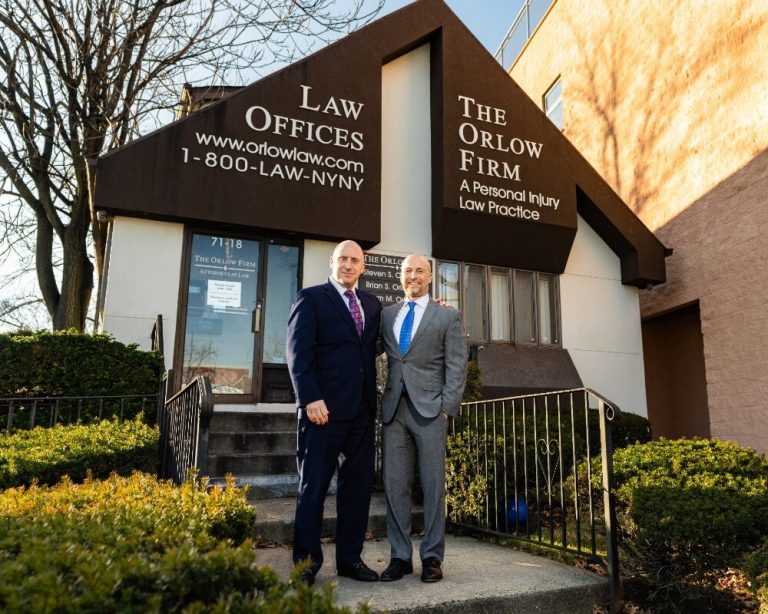
- Experience in Construction Law: Lawyers specializing in construction accidents have a deep understanding of NYCRR § 23-1.15 and related safety regulations. They can help determine if there was a violation and how it impacted your accident.
- Investigation and Evidence Gathering: An experienced attorney will conduct a thorough investigation to gather evidence such as site photographs, witness statements, and safety records. This process is essential to establish the negligence of responsible parties.
- Understanding of Complex Regulations: NYCRR § 23-1.15 includes detailed safety requirements. A lawyer can navigate these complexities, ensuring that all aspects of the regulation are considered in your case.
- Negotiation Skills: Attorneys are skilled negotiators who can engage with insurance companies and opposing counsel to seek a fair settlement that covers medical bills, lost wages, and pain and suffering.
- Litigation Experience: If a settlement cannot be reached, a lawyer will be prepared to take your case to court. Their litigation experience is crucial for presenting a strong case before a judge or jury.
The Following People Contributed to This Page
Written byParalegal & Office ManagerB.A.Sc., Political Science & Government, John Jay College of Criminal Justice (CUNY), 22+ years at The Orlow Firm, Bilingual: English and Spanish