Updated: September 24, 2025 · 24 min read
What is NYCRR § 23-1.12?
In this article, we delve into NYCRR § 23-1.12, providing insights from The Orlow Firm into its significance for construction workers and site safety in New York City. This regulation is part of the New York Industrial Code (12 NYCRR Part 23) and specifically addresses the physical guarding requirements for power-driven machinery used in construction, demolition, and excavation operations. Understanding these regulations is crucial, especially in a bustling city like New York, where construction is a constant and integral part of urban life. NYCRR § 23-1.12 is specifically focused on the guarding requirements for power-driven machinery used on construction sites, such as saws, gears, belts, pulleys, flywheels, and other equipment with moving parts. The regulation outlines specific standards for physical guards and barriers that must be in place to prevent workers from coming into contact with dangerous moving components. It covers seven categories of machinery guarding: general power-driven machines, projections on rotating equipment, power-driven saws, sprockets and gears, belts/pulleys/flywheels, friction-disc drives, and wire rope nip points. For instance, the regulation mandates that all power-driven saws must be equipped with guards that prevent contact with the blade teeth, and that projections on revolving equipment like set screws, keys, and bolts must be covered by smooth cylindrical safety sleeves or stationary enclosures. Belts, pulleys, and flywheels less than seven feet above the working surface must be guarded by substantial enclosures or safety railings. Note that broader requirements for equipment maintenance and inspections are addressed in related sections such as 12 NYCRR § 23-1.5 (general employer responsibility) and § 23-9.2 (power-operated equipment operations). In New York City, where construction sites are densely packed and often in close proximity to the public, adherence to NYCRR § 23-1.12 is not just about protecting workers; it is also about maintaining public safety. Non-compliance can lead to severe consequences, including injuries, legal liabilities, and financial penalties. By understanding and implementing the safety measures outlined in NYCRR § 23-1.12, construction companies can significantly reduce the risk of accidents and create a safer working environment. For workers, knowing the specifics of this regulation empowers them to recognize unsafe conditions and advocate for necessary changes. If you or a loved one has been injured in a construction accident due to non-compliance with NYCRR § 23-1.12, it’s important to understand your rights and options. Contact The Orlow Firm at (646) 647-3398 for a compassionate and professional consultation. We are here to help you navigate the complexities of construction injury claims in New York City.Key Safety Requirements Under NYCRR § 23-1.12
NYCRR § 23-1.12 is a specific provision under the New York Industrial Code (12 NYCRR Part 23) that outlines essential guarding requirements for power-driven machinery in construction and demolition work. This regulation is crucial in ensuring the safety of construction workers, particularly in a bustling city like New York, where construction sites are prevalent. Below are some of the key safety requirements mandated by NYCRR § 23-1.12:- General Guarding (§ 23-1.12(a)): Power-driven machines not specifically addressed elsewhere in Part 23 must be guarded in accordance with Industrial Code Rule 19, which covers the guarding of dangerous machinery.
- Keys, Set Screws, and Projections (§ 23-1.12(b)): All keys, set screws, bolts, and similar projections on revolving equipment such as shafts, pulleys, gears, and couplings must be guarded by smooth cylindrical safety sleeves or enclosed by stationary guards. Any openings in enclosures must be small enough to reject a half-inch diameter ball.
- Power-Driven Saws (§ 23-1.12(c)): Portable power-driven saws must have fixed guards above the base plate and movable self-adjusting guards below. Non-portable saws must have guards covering the blade that rise automatically or maintain a gap of no more than one-half inch from the material. Ripping saws require anti-kickback devices and spreaders.
- Sprockets and Gears (§ 23-1.12(d)): Sprockets and gears not protected by location or design must be completely enclosed or provided with band guards covering the periphery with side flanges extending below the roots of the teeth.
- Belts, Pulleys, and Flywheels (§ 23-1.12(e)): These components, when less than seven feet above the working surface and not protected by location, must have all moving parts guarded by substantial enclosures or safety railings that prevent persons from approaching within 18 inches horizontally.
- Friction-Disc Drives (§ 23-1.12(f)): Friction-disc drives not protected by design or location must be completely enclosed or provided with band guards with side flanges.
- Wire Rope (§ 23-1.12(g)): The nip points between power winches or sheaves and wire ropes must be guarded by substantial enclosures or safety railings.
Common Violations of NYCRR § 23-1.12 in New York City
In New York City, construction sites are bustling environments where safety regulations like NYCRR § 23-1.12 play a crucial role in protecting workers. This section of the New York Industrial Code specifically addresses the physical guarding of power-driven machinery, such as saws, gears, belts, pulleys, and flywheels, commonly found on construction sites. Unfortunately, violations of these regulations are not uncommon and can lead to serious accidents and injuries. Here are some of the common violations of NYCRR § 23-1.12 that occur in New York City:- Improper Machine Guarding: One of the most frequent violations involves inadequate or missing guards on machinery. Guards are essential for preventing workers from coming into contact with moving parts, which can cause severe injuries such as amputations or lacerations.
- Lack of Proper Training: Workers often operate machinery without having received adequate training. This lack of instruction can lead to misuse of equipment, increasing the risk of accidents.
- Failure to Maintain Equipment: Regular maintenance is crucial to ensure machinery operates safely. In many cases, equipment is not properly serviced, leading to malfunctions or breakdowns that can endanger workers.
- Inadequate Safety Inspections: Construction sites must routinely inspect equipment to ensure compliance with safety standards. Skipping these inspections can result in the continued use of unsafe machinery, posing a threat to worker safety.
- Non-compliance with Safety Protocols: Employers sometimes fail to enforce safety protocols, such as lockout/tagout procedures, which are designed to prevent accidental machine startups during maintenance.
How NYCRR § 23-1.12 Protects Construction Workers
Construction work is inherently risky, with workers often facing potential hazards daily. NYCRR § 23-1.12 is a critical regulation designed to protect construction workers by establishing safety standards, specifically concerning the use of power-operated equipment. This regulation is part of New York's broader commitment to ensuring safe working conditions at construction sites, which is especially important in a bustling metropolis like New York City. NYCRR § 23-1.12 primarily addresses the safe use of power-operated equipment, which is crucial in preventing accidents and injuries. Here's how it plays a vital role in safeguarding construction workers:- Machinery Guarding Standards: The regulation sets forth detailed requirements for physically guarding power-driven machinery. This includes provisions for guarding moving parts such as saw blades, gears, sprockets, belts, pulleys, and flywheels. By enforcing these guarding standards, the regulation minimizes the risk of contact injuries from exposed moving components.
- Operator Training (related provision): While § 23-1.12 itself focuses on physical guarding, the related provision at 12 NYCRR § 23-9.2 requires that all power-operated equipment be operated only by trained, designated persons. Together, these regulations ensure both physical safeguards and competent operation.
- Protective Measures: The regulation mandates the use of protective measures such as guards and barriers to prevent workers from coming into contact with dangerous parts of the equipment. These physical barriers are essential in preventing injuries such as cuts, amputations, or other serious harm.
- Regular Inspections: NYCRR § 23-1.12 requires regular inspections and maintenance of power-operated equipment. Routine checks help identify potential issues before they lead to accidents, ensuring that equipment remains safe to use and that any defects are promptly addressed.
- Connection to NY Labor Law § 241(6): NYCRR § 23-1.12 is enforceable through New York Labor Law § 241(6), which imposes a non-delegable duty on property owners and contractors to comply with specific Industrial Code safety rules. Violations of § 23-1.12 can serve as a basis for a Labor Law § 241(6) claim if they are the proximate cause of a worker's injury.
Legal Implications of Non-Compliance with NYCRR § 23-1.12
Non-compliance with NYCRR § 23-1.12 can have serious legal implications, particularly for employers and contractors in New York City's bustling construction industry. This regulation, part of the New York Codes, Rules and Regulations, pertains specifically to the safety standards required for construction machinery and equipment. Failure to adhere to these standards can lead to severe consequences, both legally and financially. Potential Legal Consequences:- Civil Liability: If a construction accident occurs due to non-compliance with NYCRR § 23-1.12, the responsible parties—typically employers, contractors, or site managers—may be held liable for the injuries sustained. This can result in substantial financial compensation being awarded to the injured parties, which may cover medical expenses, lost wages, and pain and suffering.
- Regulatory Penalties: Beyond civil liability, non-compliance can also result in regulatory penalties. The New York State Department of Labor may impose fines or other sanctions on companies that fail to meet the required safety standards. These penalties are designed to enforce compliance and deter future violations.
- Increased Insurance Costs: Companies found in violation of safety regulations may face increased insurance premiums. Insurers often raise rates for businesses that present a higher risk of accidents, reflecting the increased financial risk they pose.
- Reputation Damage: In a competitive industry like construction, maintaining a good reputation is crucial. Non-compliance leading to accidents can damage a company's reputation, making it harder to secure future contracts.
- Criminal Charges: In extreme cases where negligence is found to be willful or egregious, criminal charges may be pursued against responsible individuals. This is more likely if the non-compliance leads to fatalities or severe injuries.
Steps to Take if Injured Due to NYCRR § 23-1.12 Violations
If you or a loved one has been injured due to violations of NYCRR § 23-1.12, which pertains to safety regulations on construction sites in New York, it is crucial to take immediate and informed steps to protect your health and legal rights. Here is a guide to help you navigate this challenging situation:- Seek Medical Attention Immediately: Your health and safety are the top priority. Even if injuries seem minor, visiting a healthcare professional ensures you receive the necessary care and creates a medical record of your injuries, which is vital for any legal claims.
- Report the Incident: Notify your supervisor or employer about the accident as soon as possible. This step is essential for documenting the incident and initiating any necessary internal investigations. Ensure that the report is written and keep a copy for your records.
- Document Everything: Collect and preserve evidence related to the accident. This includes taking photographs of the scene, your injuries, and any equipment involved. If there were witnesses, gather their contact information and statements if possible.
- Consult a Legal Expert: Given the complexities of NYCRR § 23-1.12 and construction site regulations, consulting with a personal injury attorney experienced in New York construction law is crucial. An attorney can help evaluate your case, explain your rights, and guide you through the legal process.
- File a Workers’ Compensation Claim: If you are an employee, you may be entitled to workers' compensation benefits. Ensure you file a claim promptly, as there are strict deadlines. This coverage can help with medical bills and lost wages.
- Consider Third-Party Claims: If a third party (someone other than your employer) was responsible for the safety violation, you might have grounds for a separate personal injury lawsuit. A lawyer can help identify all liable parties and potential avenues for compensation.
- Follow Medical Advice: Adhering to your doctor’s recommendations not only aids your recovery but also strengthens your legal claim by demonstrating that you are taking your injuries seriously.
How NYCRR § 23-1.12 Impacts Construction Site Safety
New York City's construction sites are bustling with activity, often involving heavy machinery and potentially hazardous conditions. To ensure the safety of workers on these sites, the New York Codes, Rules and Regulations (NYCRR) § 23-1.12 plays a crucial role. This regulation specifically addresses the safety standards for power-operated equipment and tools, which are commonly used in construction projects. Enhancing Worker Safety NYCRR § 23-1.12 is designed to mitigate risks associated with the use of power-operated equipment. By setting forth specific safety requirements, it aims to protect construction workers from accidents and injuries. For instance, the regulation mandates that all power tools must be equipped with protective guards and operational controls that prevent accidental activation. This is particularly important in preventing injuries such as cuts, lacerations, and even amputations. Reducing Common Hazards Construction sites in New York City are often rife with potential hazards. The regulation requires regular inspection and maintenance of equipment to ensure they are in safe working condition. This preventive measure helps in identifying and rectifying any equipment malfunctions before they can cause harm. Additionally, NYCRR § 23-1.12 emphasizes the importance of proper training for workers who operate power tools, ensuring they are fully aware of the potential risks and the correct operational procedures. Examples of Impact in New York City In a city as densely populated and rapidly developing as New York, the impact of NYCRR § 23-1.12 is significant. For example, a construction worker using a power saw in an Upper Manhattan development project would be required to follow strict guidelines regarding the tool's safety features and usage protocols. This regulation not only protects the worker but also enhances the overall safety of the construction site, potentially preventing accidents that could lead to costly project delays or legal repercussions for employers. Fostering a Culture of Safety By adhering to NYCRR § 23-1.12, construction companies in New York City can foster a culture of safety that prioritizes the well-being of their workers. This regulation acts as a benchmark for safety practices, encouraging employers to go beyond mere compliance and actively engage in creating safer working environments. Such proactive measures can lead to a reduction in workplace accidents and injuries, ultimately benefiting both workers and employers. If you or a loved one has been affected by a violation of NYCRR § 23-1.12, understanding your rights and the legal remedies available is crucial. For assistance with cases related to construction site safety and NYCRR § 23-1.12, contact The Orlow Firm at (646) 647-3398 for a compassionate and professional consultation.The Role of Employers Under NYCRR § 23-1.12
In the realm of construction safety, employers play a crucial role in ensuring compliance with regulations like NYCRR § 23-1.12, which governs the safe use of power-operated equipment. This section of the New York Codes, Rules, and Regulations is particularly significant in a bustling city like New York, where construction is a constant presence. Understanding the responsibilities of employers under this regulation is essential for maintaining safe work environments and protecting workers from injury. Ensuring Equipment Safety Employers are responsible for making sure that all power-operated equipment on their construction sites is in proper working order. This involves regular maintenance checks and ensuring that any equipment used complies with the safety standards outlined in NYCRR § 23-1.12. Failure to do so can lead not only to mechanical failures but also to serious accidents. Training and Supervision Another key responsibility of employers is to provide adequate training to employees who operate power tools and equipment. This training should cover the safe operation of machinery, recognition of potential hazards, and emergency procedures. Additionally, employers must ensure that skilled supervision is available to monitor the use of equipment and address any unsafe practices immediately. Implementing Safety Protocols Employers must establish and enforce safety protocols that align with NYCRR § 23-1.12. This includes implementing measures such as safety signage, personal protective equipment (PPE), and clear communication of safety practices to all workers. Employers should also conduct regular safety meetings to reinforce these protocols and address any concerns raised by employees. Conducting Regular Inspections Regular site inspections are crucial for identifying potential hazards and ensuring compliance with safety regulations. Employers are tasked with evaluating the work environment and equipment regularly to ensure that all safety measures are being followed and that any issues are promptly addressed. Legal Accountability Employers who fail to comply with NYCRR § 23-1.12 may face legal consequences, especially if negligence leads to worker injuries. It is in the best interest of employers to adhere strictly to these regulations not only to avoid legal repercussions but also to foster a safe and productive work environment. By understanding and fulfilling their responsibilities under NYCRR § 23-1.12, employers can significantly reduce the risk of accidents and injuries on construction sites. If you or a loved one has been injured due to an employer's failure to comply with these safety standards, contacting The Orlow Firm at (646) 647-3398 can be an important step in seeking justice and compensation.Understanding Your Legal Rights Under NYCRR § 23-1.12
Understanding your legal rights under NYCRR § 23-1.12 is crucial, especially if you are a construction worker or are involved in construction projects in New York City. This specific section of the New York Codes, Rules, and Regulations outlines safety standards related to construction work involving power-operated equipment. Knowing these rights can help ensure your safety and provide recourse in case of an accident. 1. Right to a Safe Working Environment NYCRR § 23-1.12 mandates that construction sites maintain certain safety standards to protect workers. This includes ensuring all power-operated equipment is well-maintained and used correctly. As a worker, you have the right to expect your employer to adhere to these safety standards. 2. Right to Proper Training Employers are required to provide adequate training to workers operating power equipment. This training should cover safe operating procedures, potential hazards, and emergency protocols. If you feel inadequately trained, you have the right to request additional training. 3. Right to Report Unsafe Conditions Workers have the right to report any unsafe conditions or violations of NYCRR § 23-1.12 without fear of retaliation. If you notice equipment that is not properly maintained or any other safety hazard, reporting it can help prevent accidents. 4. Right to Proper Safety Equipment Under NYCRR § 23-1.12, employers must provide necessary safety equipment, such as helmets, gloves, and goggles, to protect workers from potential injuries. You have the right to this equipment and should not be required to provide it yourself. 5. Right to Compensation for Injuries If you are injured due to a violation of NYCRR § 23-1.12, you may be entitled to compensation. This includes medical expenses, lost wages, and other damages related to the injury. Understanding your legal rights can aid in pursuing a claim effectively. It's essential to be aware of these rights to protect yourself on the job and to ensure that your employer adheres to the legal standards set forth by NYCRR § 23-1.12. If you believe your rights have been violated or you've been injured due to non-compliance, contacting a knowledgeable attorney can be a critical step. The Orlow Firm is here to assist you with any questions or legal issues you may have. For immediate assistance, please call us at (646) 647-3398.How The Orlow Firm Can Assist with NYCRR § 23-1.12 Cases
At The Orlow Firm, we understand the complexities and challenges that arise from construction-related accidents, particularly those involving violations of NYCRR § 23-1.12. This specific section of the New York Codes, Rules and Regulations mandates key safety measures to protect construction workers, especially concerning the use of power-driven machinery. Our firm is dedicated to ensuring that workers' rights are upheld and that those injured due to safety violations receive the support and compensation they deserve. Experience in Construction Accident Cases With decades of experience in personal injury law, The Orlow Firm has successfully represented numerous clients in construction accident cases. Our experience extends to understanding the nuances of NYCRR § 23-1.12 and leveraging this knowledge to build strong cases for our clients. We are well-versed in identifying violations and holding negligent parties accountable, whether they are employers, contractors, or equipment manufacturers.- Thorough Investigation: We conduct detailed investigations to gather evidence of any NYCRR § 23-1.12 violations. This includes reviewing safety records, interviewing witnesses, and collaborating with safety experts.
- Comprehensive Legal Strategy: Our team develops tailored legal strategies that focus on maximizing compensation for medical expenses, lost wages, and pain and suffering.
- Negotiation and Litigation: Whether through negotiation or litigation, we are committed to achieving the best possible outcome for our clients. Our track record includes substantial settlements and verdicts, illustrating our commitment to justice.
Frequently Asked Questions About NYCRR § 23-1.12
When it comes to understanding NYCRR § 23-1.12, many individuals have questions about its implications and enforcement, especially in the context of New York City construction sites. Below, we address some of the most frequently asked questions regarding this important regulation.- What is NYCRR § 23-1.12? NYCRR § 23-1.12 is a regulation under the New York Industrial Code (12 NYCRR Part 23) that specifically addresses the guarding requirements for power-driven machinery used in construction, demolition, and excavation operations. It covers guarding of saws, gears, sprockets, belts, pulleys, flywheels, friction-disc drives, and wire rope nip points.
- Who is responsible for complying with NYCRR § 23-1.12? The responsibility for compliance primarily falls on employers, contractors, and site managers. They must ensure that all safety protocols are followed and that the work environment adheres to the standards set by the regulation.
- What are some common violations of NYCRR § 23-1.12? Common violations include missing or inadequate guards on saw blades, exposed set screws or bolt projections on revolving equipment, unguarded belts and pulleys within seven feet of the work surface, and missing enclosures on sprockets and gears. Scaffold and ladder safety are covered under separate NYCRR sections (§ 23-5.1 and § 23-1.21, respectively).
- How does NYCRR § 23-1.12 protect construction workers? The regulation mandates specific safety measures and equipment usage to minimize risks associated with construction work. By enforcing these rules, the regulation aims to protect workers from potential hazards and reduce workplace accidents.
- What should I do if I believe there has been a violation of NYCRR § 23-1.12? If you suspect a violation, it is crucial to report it to your supervisor or safety officer immediately. Additionally, documenting the issue with photos or written records can be helpful if further action is needed.
- What are the legal implications of non-compliance with NYCRR § 23-1.12? Non-compliance can result in penalties for the employer, including fines and potential shutdowns of the work site. For workers injured due to non-compliance, it may also serve as grounds for a personal injury claim.
- Can I receive compensation if injured due to a violation of NYCRR § 23-1.12? Yes, if you are injured due to a violation, you may be entitled to compensation for your injuries. It is important to consult with a legal professional to understand your rights and the steps you can take to seek justice.
Sources
- 12 NYCRR § 23-1.12 — Guarding of Power-Driven Machinery (Full Text) — Cornell Law Institute, Legal Information Institute
- 12 NYCRR Part 23, Subpart 23-1 — General Provisions — Cornell Law Institute, Legal Information Institute
- Safety and Health Code Rules — New York State Department of Labor
- File a Workers' Compensation Claim — New York State Workers' Compensation Board
Contacting The Orlow Firm for NYCRR § 23-1.12 Related Issues
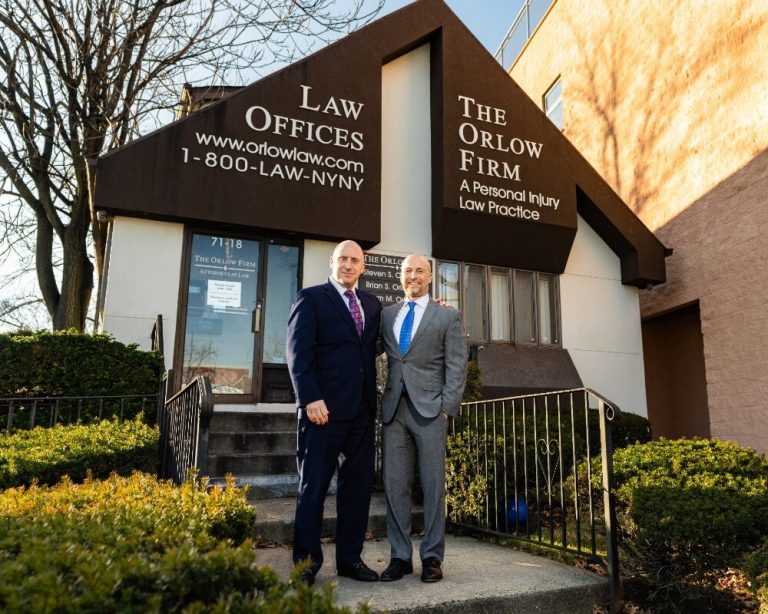
- Experience in Construction Accident Cases: Our attorneys focus on construction accident litigation, including cases involving NYCRR § 23-1.12 violations. We understand the specific safety requirements and how their breach can lead to serious injuries.
- Proven Track Record: We have successfully secured substantial settlements and verdicts for our clients who have suffered due to unsafe working conditions. Our experience in handling cases involving falls, scaffold accidents, and other construction-related injuries speaks volumes about our commitment and experience.
- Compassionate Representation: We know that dealing with a construction injury can be overwhelming. Our team is here to provide compassionate support and guide you through every step of the legal process.
- No Upfront Fees: We operate on a contingency fee basis, which means you don't pay us unless we win your case. This ensures that you can pursue justice without financial stress.
The Following People Contributed to This Page
Written byParalegal & Office ManagerB.A.Sc., Political Science & Government, John Jay College of Criminal Justice (CUNY), 22+ years at The Orlow Firm, Bilingual: English and Spanish