Updated: October 15, 2025 · 19 min read
What Does Proximate Cause Mean in a New York Personal Injury Case?
Quick Answer: Proximate cause means the injury was directly caused by someone's actions and not by something unrelated. In New York personal injury cases, proving proximate cause is key to showing the other party is legally responsible. For personalized guidance, contact The Orlow Firm at (646) 647-3398 for a free consultation.How Is Proximate Cause Different from Actual Cause?
In a New York City personal injury case, it's important to understand the difference between actual cause and proximate cause. While they may sound similar, they play different roles in proving who is legally responsible for an injury. Actual cause, also known as "cause in fact," is the basic idea that someone’s action directly caused the injury. To prove actual cause, lawyers often ask, “Would this injury have happened if the person hadn’t acted the way they did?” If the answer is no, then that action is likely the actual cause. Proximate cause, on the other hand, is about whether the harm was a foreseeable result of that action. It helps limit blame to those whose actions caused predictable damage. Even if someone caused harm by accident, they might not be legally responsible if the injury was too far removed from their actions or not something they could have reasonably expected. Here's a simple example to highlight the difference:- Actual cause: A driver runs a red light and hits a pedestrian. The driver’s action caused the accident.
- Proximate cause: The pedestrian breaks a leg. That type of injury is a foreseeable result of a car hitting a person, so the driver’s actions are also the proximate cause.
Why Is Proximate Cause Important in NYC Personal Injury Claims?
Proximate cause is important in New York City personal injury claims because it connects a person’s actions to the injury. In simple terms, it helps show who is legally responsible for what happened. If you were hurt in an accident, you must prove that the other person’s actions were not just a cause, but the legal reason your injury happened. Without proximate cause, your case may not succeed in court. To win a personal injury case in NYC, there are usually two things you must prove:- Someone acted negligently – This means they failed to act with reasonable care. For example, a driver may have been texting instead of watching the road.
- Their actions were the proximate cause of your injury – This means the injury was a direct and predictable result of what they did.
- It protects fairness: You can only hold someone responsible if their actions actually led to your injury in a direct way.
- It can impact who pays: In major accidents, more than one person or company may be involved. Proximate cause helps the court figure out whose actions truly caused the harm.
- It strengthens your case: Showing proximate cause helps prove that your injury wasn’t just a random event. It was something that happened as a result of someone’s careless behavior.
What Types of Evidence Help Prove Proximate Cause in New York?
To prove proximate cause in a New York personal injury case, you need strong, clear evidence linking the other party's actions to your injury. Proximate cause means the injury was a direct and foreseeable result of someone else’s negligence. In New York City, where accidents can happen in many ways, careful documentation and witness support can make all the difference. Here are common types of evidence that can help prove proximate cause in New York:- Witness Statements: Eyewitnesses can describe what they saw and help explain how the accident happened. Their testimony can help show that the other party’s actions directly caused your injury.
- Video Footage: Security cameras, traffic cameras, or cell phone videos are especially useful in NYC. They can provide real-time proof of the events that led to your injury.
- Photographs: Photos of the accident scene, property damage, and visible injuries can help show the conditions and what caused the incident.
- Medical Records: These show the timing and type of injury you suffered. Medical documentation can connect your injury to the accident and rule out other causes.
- Accident Reports: In cases like car crashes or slip and falls on public property, police or building incident reports may give a neutral account of the event. These are often helpful in showing how the injury occurred and who was involved.
- Expert Testimony: In more complex cases, professionals such as accident reconstruction specialists or doctors may explain how the actions of others likely caused your injury.
- Maintenance or Inspection Records: If your injury happened due to poor maintenance, like a broken stairway or faulty equipment, records showing neglect can support your claim that the injury was foreseeable and preventable.
Can There Be More Than One Proximate Cause of an Injury?
Yes, there can be more than one proximate cause of an injury in a personal injury case. In fact, it’s fairly common for multiple parties or actions to contribute to someone's injuries. In New York City, just like in the rest of New York State, courts recognize that more than one person or event can legally share responsibility for causing harm. Proximate cause means a cause that is legally considered close enough to the harm to hold someone responsible. When there are multiple proximate causes, each one must have played a meaningful role in leading to the injury—even if it wasn’t the only cause. Here’s a simple example: Imagine a person is walking through a Brooklyn sidewalk. A store owner failed to shovel snow from the entrance, and at the same time, a city garbage truck splashes icy water onto the walkway. The person slips and falls, breaking a hip. In this case, both the store owner and possibly the city’s actions could be considered proximate causes. New York allows injury cases to name more than one responsible party. Sometimes, different parties share the blame in percentages, which is called comparative fault. For example:- The building owner might be 70% responsible for not clearing the sidewalk.
- The delivery driver who caused a hazard might be 30% responsible.
How Do Courts in NYC Decide If Proximate Cause Exists?
In New York City personal injury cases, courts look closely at whether the person or party being blamed actually caused the injury in a legal sense. This is called proximate cause. To decide if proximate cause exists, courts ask a key question: Was the injury a foreseeable result of the defendant’s actions? “Foreseeable” means something that a reasonable person could expect to happen. If the injury is too far removed or unusual, it may not count legally as proximate cause—even if the defendant did something wrong. Here are some of the main steps courts in NYC take to decide whether proximate cause exists:- Check for a direct link: The court looks at whether there is a close and clear link between the defendant’s behavior and the injury.
- Consider foreseeable harm: The court asks whether a reasonable person should have expected that the action could cause harm.
- Review the chain of events: If there are many events between the action and the injury, courts consider whether those events were unusual or expected.
- Look at whether the action was a “substantial factor”: The court checks if the defendant's action was a major part of why the injury happened, even if other things also played a role.
What Happens If Proximate Cause Can’t Be Proven in My Case?
In a New York City personal injury case, proximate cause must be proven to hold someone legally responsible for your injury. If proximate cause can’t be shown, your claim may not succeed—even if you are badly hurt. Proximate cause connects the other party's actions to your injury in a direct and foreseeable way. Without that link, the law generally won’t allow you to recover damages. Here’s what may happen if proximate cause cannot be proven in your case:- Your claim may be denied: Insurance companies and courts require proof that the injury was a direct result of the other person’s actions. If they believe there’s no direct link, they may reject the claim.
- No financial compensation: Without proving proximate cause, you may not receive money for medical bills, lost wages, or pain and suffering.
- The case may not go to trial: If a judge finds there's no proximate cause, your case could be dismissed before reaching a jury.
How Does Proximate Cause Affect My Compensation in a Personal Injury Lawsuit?
Proximate cause plays a major role in whether you can receive compensation in a personal injury lawsuit. In simple terms, proximate cause means that the other party’s actions directly led to your injury. Without proving this link, you may not be able to hold someone legally responsible for your damages. In New York City, especially in complex environments like construction sites, busy intersections, or public buildings, it's important to show that the injury wouldn’t have happened without someone else’s wrongful act or neglect. This connection between action and injury helps determine if you should receive money to cover your losses. Here’s how proximate cause can impact your compensation:- Eligibility to Sue: If you can’t prove the other person’s actions directly caused your injury, the court may dismiss your case. Without proximate cause, there's no legal basis for a personal injury lawsuit.
- Type of Damages You May Receive: Once proximate cause is proven, you may be able to claim damages for medical bills, lost wages, pain and suffering, and more. If not, you may be limited to what your insurance allows, especially under New York's no-fault laws.
- Shared Fault Issues: In some cases, more than one party may be partially responsible. If your own actions partly caused the injury, New York’s “comparative fault” rule reduces your compensation based on your share of the blame.
FAQs About Proximate Cause in New York Personal Injury Cases
- What does "proximate cause" mean? Proximate cause refers to the main reason an injury happened. In a personal injury case, it means someone’s actions directly led to your injury. There may be other contributing factors, but the proximate cause is the most direct link.
- Is proximate cause the same as fault? Not exactly. Proximate cause is about the link between the action and the injury. Fault relates to legal responsibility. Someone could be partly at fault but not be the proximate cause of your injury.
- Do I need to prove proximate cause to win my case? Yes. In New York personal injury cases, you must show that the defendant’s actions were the legal cause of your injury. Without proving proximate cause, the defendant may not be held responsible, even if they acted carelessly.
- Can more than one person be the proximate cause? Yes. In many NYC accidents—like car crashes or construction injuries—multiple people or parties may share responsibility. Courts can divide fault between them depending on their role in causing the injury.
- How do you prove proximate cause? Evidence is key. This can include witness statements, medical records, video footage, expert testimony, and accident reports. The goal is to show that your injury would not have happened without the other party’s actions.
- What if there was a delay between the accident and my injuries? A delay doesn’t always break the link, but it can make your case harder. You’ll need medical professionals to explain how the original event still caused your condition. The sooner you seek medical care and legal advice, the better.
- How does proximate cause relate to my compensation? If proximate cause is proven, you may be eligible for compensation for medical bills, lost wages, and pain and suffering. If it's not proven, your case could be dismissed, and compensation may be denied.
- What happens if the defense argues there’s no proximate cause? The defense may try to break the link between their actions and your injury. A strong legal team can help present evidence and explain how their actions led to harm. This is often a key argument in NYC personal injury cases.
- Can I still have a case if I was partly at fault? Yes. New York follows a rule called "comparative negligence." This means you can still recover damages even if you were partly to blame. However, your compensation will be reduced by your percentage of fault.
Sources
- Proximate Cause — Cornell Law School, Legal Information Institute
- Cause-in-Fact — Cornell Law School, Legal Information Institute
- Cause of Injury — New York Courts, Civil Jury Instructions
- CPLR § 1411 — Damages Recoverable When Contributory Negligence Is Established (NY Senate)
- Palsgraf v. Long Island Railroad Co., 248 N.Y. 339 (1928) — NY Courts
Contact The Orlow Firm for a Free Consultation on Your NYC Injury Case
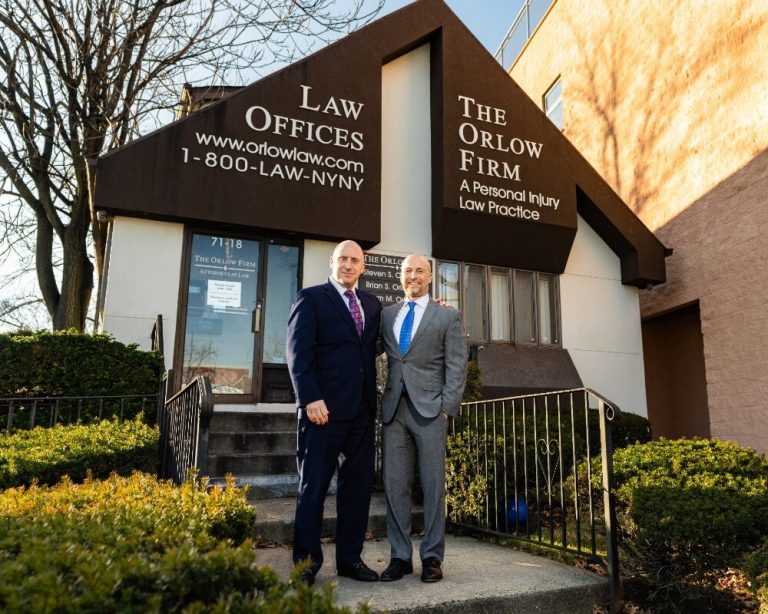
- Review your accident: We’ll carefully look at what happened to assess whether proximate cause can be proven in your situation.
- Explain legal terms clearly: You’ll understand where your case stands without confusing legal talk.
- Investigate your claim: If we take your case, we may collect photos, records, and witness statements to show how your injuries were a direct result of someone else’s actions.
- Discuss your options: We’ll talk about your rights to compensation, including medical bills, lost income, and pain and suffering, if your case qualifies.
The Following People Contributed to This Page
Written byParalegal & Office ManagerB.A.Sc., Political Science & Government, John Jay College of Criminal Justice (CUNY), 22+ years at The Orlow Firm, Bilingual: English and Spanish