Updated: March 23, 2026 · 26 min read
What Is the Nursing Home Reform Act?
Quick Answer: The Nursing Home Reform Act is a federal law that sets minimum standards for nursing home care. It aims to protect residents' rights and ensure they receive proper treatment and services. In New York City, this law helps hold nursing homes accountable for quality care.An Overview of the Nursing Home Reform Act:
The Nursing Home Reform Act (NHRA) is a federal law passed in 1987 to protect the rights of residents living in nursing homes. It sets clear standards for the quality of care these facilities must provide. The goal of the Nursing Home Reform Act is to ensure that nursing home residents receive safe, respectful, and adequate care. This law applies to nearly all nursing homes that receive funding from Medicare or Medicaid, which includes many nursing homes in New York City. The Nursing Home Reform Act requires nursing homes to follow specific rules that focus on the health, safety, and dignity of residents. It emphasizes the importance of personalized care. This means each resident’s needs and preferences must be considered, rather than using a "one size fits all" approach. The law helps protect residents from neglect, abuse, and poor treatment. Some key features of the Nursing Home Reform Act include:- Resident Rights: Residents have the right to be treated with respect, to make choices about their own care, and to have privacy.
- Quality Care: Nursing homes must provide services that help residents maintain or improve their health and well-being.
- Assessment and Care Planning: Each resident must have a detailed care plan based on a thorough assessment of their physical, mental, and emotional needs.
- Staffing Requirements: Nursing homes must have enough qualified staff to meet residents’ needs safely.
- Protection from Abuse and Neglect: Facilities must take steps to prevent abuse, neglect, and exploitation of residents.
- Right to Complain: Residents can file complaints without fear of retaliation if they believe their rights are being violated.
Why the Nursing Home Reform Act Matters for Nursing Home Residents
The Nursing Home Reform Act is important for nursing home residents because it sets clear rules to protect their health, safety, and rights. Before this law, many residents faced poor care, neglect, or abuse without strong protections. The Act helps make sure residents receive proper care and are treated with respect. Here are some reasons why the Nursing Home Reform Act matters for people living in nursing homes, especially in New York City:- Protects Basic Rights: The Act guarantees residents the right to dignity, privacy, and freedom from abuse. It requires nursing homes to respect residents’ personal choices and treat them fairly.
- Ensures Quality Care: Nursing homes must provide services that meet residents’ health needs. This includes proper medical care, help with daily activities, and attention to mental health.
- Promotes Individualized Care Plans: Each resident must have a care plan tailored to their unique needs. This plan is reviewed regularly to adjust care as needed.
- Provides a Safe Environment: The Act requires nursing homes to maintain clean, safe facilities and prevent accidents or injuries.
- Enables Residents to Voice Concerns: Residents have the right to complain about their care without fear of punishment. The law requires nursing homes to address complaints quickly and fairly.
Key Rights Protected by the Nursing Home Reform Act
The Nursing Home Reform Act (NHRA) protects important rights for people living in nursing homes. These rights are designed to ensure residents receive safe, respectful, and quality care. The law applies to nursing homes that receive federal funding, which includes many facilities in New York City. Here are some of the key rights protected by the Nursing Home Reform Act:- Right to Quality Care: Residents have the right to receive care that meets their individual needs. This means nursing homes must provide medical, nursing, and personal care to help residents maintain or improve their health and well-being.
- Right to Dignity and Respect: Nursing homes must treat residents with respect and dignity. This includes respecting their privacy, personal choices, and cultural or religious practices.
- Right to Participate in Care Decisions: Residents have the right to be involved in planning their care. They should be informed about their health status and treatment options in a way they can understand.
- Right to Privacy and Confidentiality: Personal and medical information must be kept private. Residents have the right to private visits and confidential communication with family, friends, and healthcare providers.
- Right to Freedom from Abuse and Neglect: Nursing homes must protect residents from physical, emotional, or financial abuse. They must also prevent neglect, which means failing to provide necessary care or services.
- Right to Choose Visitors and Activities: Residents can decide who may visit them and choose to participate in social, religious, or community activities.
- Right to Complain and Access to Advocacy: Residents have the right to voice concerns or file complaints without fear of punishment. Nursing homes must inform residents about how to report problems and provide access to independent advocates.
- Right to Manage Personal Finances: Residents can control their own money unless they have legally appointed someone else to do so.
- Right to Be Free from Restraints: Nursing homes cannot use physical or chemical restraints (like drugs) unless necessary for the resident’s safety and only as a last resort.
How the Nursing Home Reform Act Improves Care Quality
The Nursing Home Reform Act (NHRA) plays an important role in improving the quality of care that nursing home residents receive. Passed in 1987 as part of the federal Omnibus Budget Reconciliation Act (OBRA), the NHRA sets clear rules that nursing homes must follow to protect residents’ health, safety, and well-being. In New York City, these rules help ensure that nursing homes provide better care to vulnerable seniors and disabled individuals. Here are some key ways the Nursing Home Reform Act improves care quality:- Establishes Residents’ Rights: The NHRA guarantees nursing home residents have rights such as privacy, dignity, and freedom from abuse. This means staff must treat residents with respect and protect them from neglect or harm.
- Requires Comprehensive Assessments: Nursing homes must regularly assess each resident’s physical, mental, and emotional needs. These assessments guide personalized care plans tailored to each resident’s condition.
- Ensures Adequate Staffing: The law sets standards for staffing levels and training. This helps make sure there are enough qualified nurses and caregivers to meet residents’ needs properly.
- Improves Medical Care and Services: Facilities must provide necessary medical, nursing, and rehabilitative services. This includes proper medication management and assistance with daily activities like eating and bathing.
- Mandates Quality of Life Standards: The NHRA emphasizes the importance of social and recreational activities. Nursing homes must support residents’ emotional well-being and encourage social interaction.
- Enforces Safety and Cleanliness: The law requires nursing homes to maintain a safe, clean, and comfortable environment. This reduces risks of infections and accidents.
- Imposes Accountability: Nursing homes are subject to regular inspections and must correct any deficiencies. Violations can lead to penalties or loss of funding.
Common Violations of the Nursing Home Reform Act in New York City
The Nursing Home Reform Act (NHRA) sets clear rules to protect residents in nursing homes. Unfortunately, some nursing homes in New York City do not always follow these rules. Knowing the common violations can help families recognize when a loved one’s rights may be at risk. Here are some common violations of the Nursing Home Reform Act in New York City:- Poor Quality of Care: Nursing homes must provide care that meets each resident’s needs. Violations include failing to give proper medication, neglecting hygiene, or not helping residents eat and drink safely.
- Resident Abuse and Neglect: Physical, emotional, or verbal abuse is strictly prohibited. Neglect can mean ignoring a resident’s medical needs or leaving them in unsafe conditions.
- Failure to Respect Resident Rights: The NHRA guarantees residents rights such as privacy, dignity, and the right to make choices about their care. Violations include restricting visitors without cause or not allowing residents to participate in their own care decisions.
- Inadequate Staffing Levels: Nursing homes must have enough trained staff to care for residents properly. Too few staff members can lead to missed care, delayed responses to emergencies, or unsafe living conditions.
- Poor Nutrition and Hydration: Residents must receive sufficient food and fluids. Violations include serving inadequate meals or ignoring signs of dehydration or malnutrition.
- Unsafe or Unsanitary Conditions: The NHRA requires nursing homes to maintain a clean, safe environment. Violations include dirty rooms, broken equipment, or hazards that could cause falls or injuries.
- Improper Use of Restraints: Physical or chemical restraints may only be used when absolutely necessary and with proper authorization. Unlawful restraint use violates residents’ freedom and safety.
- Failure to Report Incidents: Nursing homes must report abuse, neglect, or injuries to the proper authorities promptly. Failure to do so can hide serious problems and put residents at further risk.
How the Nursing Home Reform Act Applies to NYC Nursing Homes
The Nursing Home Reform Act (NHRA) is a federal law that sets basic rules for nursing homes across the United States. In New York City, the NHRA applies to all nursing homes that receive federal funding through Medicare or Medicaid. This means that most nursing homes in NYC must follow the NHRA’s standards to keep their funding and operate legally. Under the NHRA, NYC nursing homes are required to provide care that meets certain quality standards. These standards focus on protecting residents’ rights and ensuring proper health care. The law requires nursing homes to:- Respect residents’ dignity and privacy. Nursing homes must treat residents with respect and protect their personal information and private spaces.
- Provide necessary medical, nursing, and personal care. Residents should receive proper treatment tailored to their individual needs.
- Maintain a safe and clean environment. Nursing homes must keep their facilities clean and free from hazards that could harm residents.
- Develop and follow a care plan. Each resident should have a written plan of care that the staff follows to meet their health and personal needs.
- Allow residents to participate in decisions. Residents have the right to be involved in their care and to make choices about their daily lives.
What to Do If a Nursing Home Violates the Nursing Home Reform Act
If you believe a nursing home in New York City has violated the Nursing Home Reform Act (NHRA), it is important to take prompt and careful action to protect your loved one's rights and well-being. Here are the key steps to follow if you suspect a violation:- Document the Issue Thoroughly. Keep detailed records of the suspected violation. This includes notes about what happened, when it occurred, who was involved, and any injuries or harm caused. Take photos or videos if possible and safe to do so. Collect copies of medical records, care plans, or any correspondence related to the situation.
- Report the Violation Internally. Notify the nursing home administration or the facility’s patient advocate about your concerns. Many nursing homes have procedures for handling complaints. Request a written response or record of your report. Sometimes, issues can be resolved internally, but it is important to have a record in case further action is needed.
- File a Complaint with State Authorities. In New York, you can file a complaint with the New York State Department of Health (DOH), which oversees nursing home regulations and enforcement. The DOH investigates complaints regarding neglect, abuse, and violations of residents’ rights. You can file a complaint online, by phone, or by mail. The contact information is usually available on the DOH website or through local resources.
- Contact Federal Agencies if Needed. Since the NHRA is a federal law, you may also file a complaint with the Centers for Medicare & Medicaid Services (CMS). CMS oversees nursing home quality and compliance with federal standards. Filing with CMS can trigger inspections or other enforcement actions.
- Seek Legal Advice. If the violation has caused harm or if you believe the nursing home is not responding adequately, consider consulting with a lawyer who handles nursing home cases. Legal counsel can explain your rights under the NHRA and New York law, help gather evidence, and advise on possible claims for compensation or other remedies.
- Know Your Rights to Protect Your Loved One. The NHRA guarantees nursing home residents the right to safe, respectful, and quality care. If you suspect neglect, abuse, or violations of these rights, taking action helps protect your family member and others in the facility.
Legal Protections for Families Under the Nursing Home Reform Act
The Nursing Home Reform Act (NHRA) provides important legal protections not only for nursing home residents but also for their families. Families play a critical role in advocating for their loved ones’ rights and well-being. The NHRA helps ensure that families have the ability to be involved and informed about the care being provided. Under the NHRA, families have several key protections and rights, including:- Access to Information: Families have the right to receive clear and timely information about the resident’s medical condition, care plan, and any changes in treatment. Nursing homes must keep families informed so they can make decisions in the resident’s best interest.
- Participation in Care Decisions: The Act guarantees that families can participate in decisions about the resident’s care. This includes the right to be consulted about treatments, medications, and any transfers or discharges from the nursing home.
- Protection Against Retaliation: Families who raise concerns or file complaints about neglect or abuse are protected from retaliation by the nursing home. The NHRA prohibits nursing homes from punishing residents or their families for reporting problems.
- Right to File Complaints: Families can file complaints with state and federal agencies if they believe the nursing home is not meeting required standards of care. These complaints can trigger inspections and investigations to address potential violations.
- Visitation Rights: The NHRA supports the right of families to visit their loved ones without unreasonable restrictions. This helps maintain family connections and ensures ongoing monitoring of care quality.
Filing a Complaint About Nursing Home Abuse or Neglect in NYC
If you suspect nursing home abuse or neglect in New York City, filing a complaint is an important step to protect your loved one and help ensure their safety. The Nursing Home Reform Act (NHRA) sets federal standards for nursing home care, and complaints can trigger investigations to address violations. Here is how you can file a complaint about nursing home abuse or neglect in NYC:- Document Your Concerns: Write down specific details about the suspected abuse or neglect. Include dates, times, names of involved staff or witnesses, and descriptions of incidents. Photos or medical records can also be helpful evidence.
- Notify the Nursing Home: Report your concerns directly to the nursing home administration or the facility’s ombudsman. They are required by law to investigate complaints and take corrective action if needed.
- Contact the New York State Department of Health (DOH): The DOH oversees nursing home quality in New York. You can file a complaint by phone or online. Their Adult Care Facility Complaint Hotline is available to receive reports and initiate investigations.
- Call the NYC Long-Term Care Ombudsman Program: This program advocates for nursing home residents and can help you understand your rights and the complaint process. They can also assist in resolving issues directly with the facility.
- Reach Out to Federal Agencies: Since the NHRA is a federal law, you can also file complaints with the Centers for Medicare & Medicaid Services (CMS), which monitors nursing homes nationwide.
- Involve Local Law Enforcement if Necessary: If the abuse or neglect involves criminal behavior, such as physical harm or exploitation, contact the police or Adult Protective Services immediately.
The Role of Federal and New York State Laws Alongside the Nursing Home Reform Act
The Nursing Home Reform Act (NHRA) is a federal law that sets minimum standards for nursing home care across the United States. However, it works alongside other laws, including New York State regulations, to protect nursing home residents in New York City. Federal Laws: The NHRA is part of the federal Omnibus Budget Reconciliation Act of 1987 (OBRA-87). It requires nursing homes that accept Medicare or Medicaid funding to meet certain care standards. These include:- Resident rights: Residents must be treated with dignity and respect.
- Quality of care: Nursing homes must provide services to maintain or improve residents’ health.
- Staffing requirements: Facilities must have enough qualified staff to meet residents’ needs.
- Care plans: Individualized care plans must be created for each resident.
- Freedom from abuse and neglect: Residents must be protected from harm.
- Stricter staffing levels: New York may require more staff than the federal minimum.
- State inspections: The New York State Department of Health regularly inspects nursing homes and enforces state rules.
- Additional resident rights: State laws may provide broader rights, such as more access to family visits or more detailed complaint procedures.
- Mandatory reporting: New York law requires nursing homes to report suspected abuse or neglect promptly to authorities.
- Enforcement and penalties: The state can impose fines, suspend licenses, or take other actions if homes violate laws.
Steps to Take When You Suspect Nursing Home Neglect or Abuse
If you suspect nursing home neglect or abuse, acting quickly can help protect your loved one and ensure their rights under the Nursing Home Reform Act are respected. Here are important steps to take:- Recognize the Signs of Neglect or Abuse. Look for physical signs such as unexplained bruises, bedsores, dehydration, or poor hygiene. Emotional signs include withdrawal, fear, or sudden changes in behavior. These may indicate mistreatment or neglect.
- Document Everything. Keep detailed notes of what you observe, including dates, times, and descriptions of incidents or changes in your loved one’s condition. Take photos if possible, as visual evidence can be important.
- Report Your Concerns Immediately. Notify the nursing home staff or administration in writing about your concerns. New York State law requires nursing homes to investigate complaints promptly. Be clear and specific in your report.
- Contact the New York State Department of Health. You can file a complaint with the state agency that oversees nursing homes. They are responsible for inspecting facilities and investigating abuse or neglect claims. Their hotline is available to receive reports confidentially.
- Seek Medical Evaluation. If your loved one shows signs of injury or poor health, arrange for a medical exam as soon as possible. A doctor can document injuries and assess the resident’s condition, which is important for any legal or regulatory action.
- Consult an Attorney Experienced in Nursing Home Law. An attorney can explain your legal rights and options under the Nursing Home Reform Act and other relevant laws. They can help you understand the process of seeking justice and compensation if abuse or neglect occurred.
- Maintain Communication with Your Loved One. Visit regularly, talk with them, and observe their care. Staying involved helps protect their well-being and can reveal problems early.
- Consider Alternative Care Options. If the nursing home fails to address your concerns, you may need to explore transferring your loved one to a safer facility or different care setting.
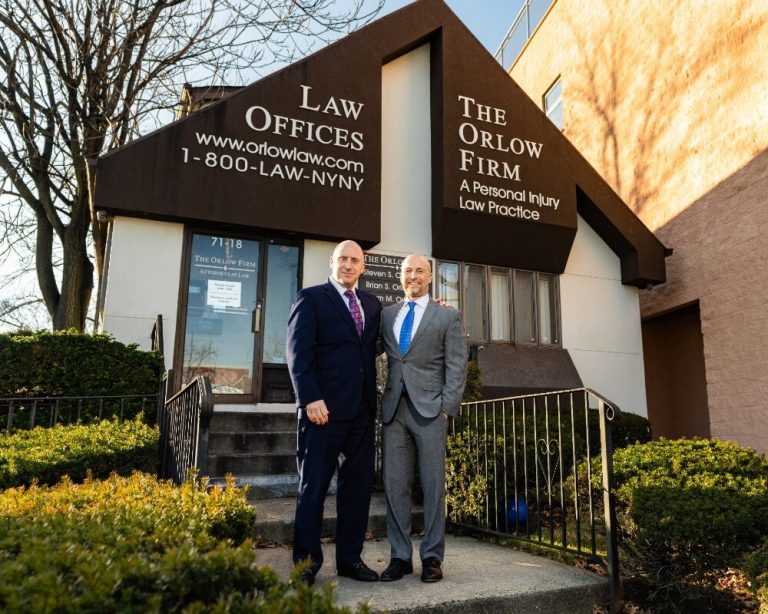
Contacting The Orlow Firm for Help With Nursing Home Reform Act Issues
- The protections offered by the Nursing Home Reform Act and how they apply in your situation.
- What evidence is needed to support claims of neglect or abuse in nursing homes.
- How to file complaints with state and federal agencies that oversee nursing home care in NYC.
- Your options for legal action if a nursing home fails to meet its obligations under the law.
- Review your concerns and the facts surrounding the care your loved one is receiving.
- Explain the rights protected by the Nursing Home Reform Act in plain language.
- Discuss the steps available to address violations, including reporting to authorities and pursuing legal remedies.
- Guide you through the complaint and investigation processes specific to NYC nursing homes.
Sources and Legal References
- Omnibus Budget Reconciliation Act of 1987 (OBRA '87) — The federal legislation containing the Nursing Home Reform Act.
- 42 CFR Part 483 — Requirements for States and Long Term Care Facilities — Federal regulations implementing the NHRA's care standards.
- CMS Nursing Home Enforcement — Federal enforcement actions for non-compliant nursing homes.
- CMS Nursing Home Guidance for Laws and Regulations — Survey protocols and interpretive guidelines.
- New York Public Health Law Article 28 — New York State law governing hospitals and residential health care facilities including nursing homes.
- New York State Department of Health — Nursing Homes — State agency overseeing nursing home inspections and compliance.
- New York State Long Term Care Ombudsman Program — Advocacy program for nursing home residents.
Sources
- H.R.3545 - Omnibus Budget Reconciliation Act of 1987 — Congress.gov
- 42 CFR Part 483 — Requirements for States and Long Term Care Facilities — eCFR
- Nursing Homes — Laws and Regulations — Centers for Medicare & Medicaid Services
- Nursing Home Enforcement — CMS
- NY Public Health Law Article 28 — Hospitals — New York State Senate
- Nursing Homes — New York State Department of Health
- 42 CFR Part 483 — Cornell Law Institute
- Summary & History of the Federal Nursing Home Reform Act — The Consumer Voice
The Following People Contributed to This Page
Written byParalegal & Office ManagerB.A.Sc., Political Science & Government, John Jay College of Criminal Justice (CUNY), 22+ years at The Orlow Firm, Bilingual: English and Spanish