Updated: November 26, 2025 · 23 min read
What Is Adult Protective Services (APS) and Who Do They Help in NYC?
Quick Answer: Adult Protective Services (APS) in New York City helps adults aged 18 and older who are at risk of harm due to physical or mental impairments, and who are unable to protect themselves or have no one to assist them responsibly. APS aims to help these individuals remain safely in their communities by connecting them with necessary services and support.Here's a more detailed explanation:
- Who APS Helps: APS focuses on adults aged 18 and older who have physical or mental disabilities that prevent them from managing their own resources or protecting themselves. This includes individuals who are unable to protect themselves from abuse (physical, emotional, sexual), neglect (self-neglect or neglect by others), or financial exploitation. APS also assists those with unmet essential needs like food, shelter, medical care, and who lack anyone willing and able to provide responsible assistance.
- What APS Does: APS provides a range of services designed to assess and meet the needs of at-risk adults:
- Assessment: APS conducts thorough assessments to understand the specific needs and risks faced by the vulnerable adult.
- Service Plans: They develop individualized service plans aimed at addressing the identified needs and ensuring the client's safety.
- Service Connection: APS connects clients with a variety of crucial services, which can include:
- Safe housing and appropriate living arrangements.
- Access to medical and mental health services.
- Assistance with financial management, benefits enrollment, and preventing exploitation.
- Legal assistance when necessary, often collaborating with law enforcement and other legal services providers.
- Support in managing daily living activities (e.g., personal care, meal preparation).
- Community Integration: A core mission of APS is to help individuals remain safely within their communities and prevent unnecessary institutionalization.
- Important Considerations: When intervening, APS operates under specific principles:
- Right to Self-Determination: APS prioritizes the adult's right to make their own decisions, even if those choices seem risky, unless there is clear evidence that the individual is unable to understand the consequences of their actions and is at risk of imminent harm.
- Intervention Threshold: APS will intervene when an individual is at significant risk of harm and lacks the capacity to comprehend or avoid the potential consequences of their situation.
- Court Orders for Removal: APS does not have the authority to forcibly remove someone from their home without obtaining a specific court order, which is pursued only in situations of extreme and unaddressed danger.
- Least Restrictive Means: APS is committed to using the least restrictive means possible when addressing a client's needs, always preferring community-based solutions and support over more restrictive environments like institutionalization.
How Does APS Get Involved in Elder Abuse Investigations?
In New York City, Adult Protective Services (APS) becomes involved in elder abuse investigations when someone reports a concern about a vulnerable adult. APS is part of the Human Resources Administration (HRA), and it serves adults who are at risk of harm due to physical or mental health issues and have no one willing or able to help protect them. Here's how APS typically gets involved in elder abuse investigations:- Someone files a report: This person could be a family member, neighbor, healthcare worker, social worker, or even a building superintendent. You don't have to prove abuse—just report what you've observed or suspect.
- APS evaluates the report: Once they get a call or online report, APS decides if the situation meets their criteria for an investigation. The adult must be 18 or older, live in NYC, have a condition that affects their ability to care for themselves, and be facing harm or neglect without help available.
- APS conducts a home visit: If APS opens a case, a caseworker usually visits the senior's home within 24 to 72 hours. They talk with the adult and may also speak with others involved, like family members or caregivers.
- They assess for abuse or neglect: The worker looks for signs of physical abuse, emotional harm, financial exploitation, or neglect. If there is immediate danger, APS may take emergency steps to protect the person, such as contacting the police or arranging medical care.
- Unexplained injuries or bruises
- Poor hygiene, untreated medical issues, or unsafe living conditions
- Changes in the person's behavior, such as fear or confusion
- Missing money or possessions
- Lack of food, heat, or clean water in the home
What Types of Abuse Does APS Investigate in New York City?
Adult Protective Services (APS) in New York City investigates many forms of abuse that affect vulnerable adults, including seniors. Their goal is to protect adults who cannot protect themselves due to physical or mental challenges. Abuse can come in many forms, and APS takes all of them seriously. Below are the main types of abuse that APS investigates in NYC:- Physical Abuse: This includes hitting, slapping, pushing, or using unnecessary force. APS looks into injuries that seem suspicious, especially if the senior cannot explain how they happened.
- Emotional or Psychological Abuse: This type of abuse involves threats, insults, or controlling behavior. Yelling at, threatening, or isolating a senior can seriously harm their mental well-being.
- Financial Abuse: APS often investigates when someone is stealing money, forging checks, or pressuring an elder to give away assets. This type of abuse can happen slowly and often by someone the senior trusts.
- Neglect by Others: This happens when a caregiver does not provide basic needs like food, shelter, or medical care. Leaving a senior alone in unsafe or dirty conditions may be a sign of neglect.
- Self-Neglect: APS also helps when a person can't care for themselves. This could mean not eating, not taking needed medications, or living in unsafe conditions. Although it may not involve another person, self-neglect can still lead to serious harm.
- Sexual Abuse: Though harder to detect, APS takes reports of unwanted sexual contact or inappropriate behavior very seriously. This is especially concerning when the victim cannot speak up for themselves.
Who Can Report Elder Abuse to APS in NYC?
In New York City, anyone who suspects elder abuse can report it to Adult Protective Services (APS). You do not need to be a doctor, social worker, or family member to make a report. If you believe an older adult is being hurt, neglected, or exploited, you can—and should—speak up. Reports can be made by:- Family members who notice signs of abuse, neglect, or financial misuse.
- Neighbors or friends who witness mistreatment or see changes in the person's behavior or condition.
- Home health aides or caretakers who are concerned for their client’s safety or well-being.
- Hospital staff, doctors, and nurses who see injuries or medical issues that may point to abuse or neglect.
- Building staff, doormen, or landlords who notice something unusual in a tenant's daily routine or condition.
- Social workers or case managers assigned to the senior through government or nonprofit programs.
- Bank employees who see signs of financial exploitation, like large withdrawals or strange behavior around money.
- Police officers and emergency responders who interact with the senior during calls for help.
- Concerned citizens , even if they don’t personally know the senior.
What Happens After You File a Report with APS in New York?
After someone reports suspected elder abuse to Adult Protective Services (APS) in New York City, the agency follows a series of steps to determine how to help. These steps are designed to protect vulnerable adults and connect them with services they may need. Here is what usually happens after filing a report with APS in NYC:- Intake and Review: An APS worker reviews the information provided in the report. They check if it meets the requirements for APS involvement, such as the adult being over 18, living in the community (not in a nursing home), and showing signs of needing help due to physical or mental challenges.
- Initial Screening: If the report meets APS's guidelines, a case is opened. Otherwise, APS may refer the case to another agency that’s better suited to help.
- Home Visit: Within 3 business days, an APS worker usually visits the adult’s home to check on their safety and living situation. If there's immediate danger, that visit may happen the same day.
- Assessment: During the visit, the worker looks for signs of abuse, neglect, or self-neglect. They speak with the adult, and sometimes with family, neighbors, or service providers, to understand the situation fully.
- Service Planning: If APS believes help is needed, they work with the adult to create a plan. Services may include meal delivery, home health care, mental health support, or help with managing money.
- Optional Help: Adults can refuse help unless a court finds them unable to make decisions for themselves. APS cannot force services on someone with decision-making capacity unless there is a legal order to do so.
How Does APS Work with Other Agencies in NYC Elder Abuse Cases?
In New York City, Adult Protective Services (APS) does not work alone when handling elder abuse cases. APS often partners with other city and state agencies to make sure older adults receive the protection and care they need. These partnerships help create a full support system for seniors who may be neglected, abused, or exploited. When APS investigates a report of elder abuse, they may find that the person needs help beyond what APS can provide. In these cases, APS will connect or coordinate with other agencies and professionals. Here are some of the key partners they may work with:- New York City Police Department (NYPD): If a crime such as assault, theft, or fraud is suspected, APS contacts the police. The NYPD may investigate the criminal aspects of the case and take action if someone has broken the law.
- District Attorney’s Office: If the abuse involves criminal charges, the District Attorney may file charges against the abuser. APS may provide information or testimony to help in the case.
- Hospitals and Medical Providers: APS often works with doctors, nurses, and hospitals to assess the health and safety of the senior. Medical staff may help identify signs of physical abuse or neglect.
- Social Service Agencies: APS may refer clients to programs such as meal delivery, home care, or housing support. These services help the senior remain safe and stable in their daily life.
- Mental Health Professionals: If a senior is dealing with mental health issues, APS can connect them with counseling or psychiatric services. This is especially important when someone cannot make safe decisions on their own.
- Legal Guardianship Services: In serious cases where the individual cannot make decisions for themselves, APS may go to court to appoint a legal guardian. APS works with the court and sometimes nonprofit legal groups to arrange this.
Can Adult Protective Services Remove Someone from Their Home in NYC?
In general, Adult Protective Services (APS) in New York City cannot remove someone from their home without following specific legal steps. APS focuses on helping adults who may be at risk of abuse, neglect, or exploitation—especially seniors or people with disabilities who struggle to care for themselves. If APS investigates and finds that a person is living in unsafe or dangerous conditions, their first goal is often to provide services in the home. This might include arranging medical care, in-home assistance, or even helping them apply for benefits. APS workers try to keep people in their homes when possible and safe. However, there are times when staying in the home is no longer safe. In those cases, APS may try to move the individual to a safer environment, but they cannot force someone to leave unless the person is unable to make safe decisions on their own. Before APS can lawfully remove someone from their home, the following must typically happen:- Medical or mental health professionals find the person lacks decision-making ability: This often involves a doctor or psychiatrist evaluating the person’s ability to care for themselves.
- APS must go to court: If someone lacks capacity and refuses help, APS must get a legal order from a judge before taking further steps.
- A court may appoint a guardian: The guardian makes legal and medical decisions for the person. This process is called a guardianship proceeding and is handled in New York’s Supreme Court.
What Are the Limits of What APS Can Do in New York City?
Adult Protective Services (APS) plays an important role in protecting vulnerable adults in New York City. However, there are clear limits to what APS can do. These limits are based on state laws, privacy rights, and the needs and wishes of the adult involved. Here are some key limits to APS’s authority in NYC:- APS cannot force services on someone who refuses help. If the adult is mentally capable and understands the situation, they have the right to say no to APS, even if others think they are making a bad choice.
- APS does not replace family or legal guardians. APS can step in to help when no one else can, but they are not meant to take over family duties or replace a court-appointed guardian unless the court orders it.
- APS cannot arrest or criminally charge anyone. If APS finds evidence of elder abuse or neglect, they can report it to the police or District Attorney. But they do not have the power to arrest or press charges themselves.
- APS cannot make emergency medical decisions without court approval. If an adult needs urgent medical care but refuses treatment and is unable to understand the risk, APS may have to go to court to get permission to act.
- APS cannot remove someone from their home without legal steps. Even if APS believes an adult is not safe, they cannot simply remove them. They must follow legal procedures, often including a court order.
How to Tell If a Senior Needs Help from APS in NYC
It can be hard to know when an older adult is in trouble or at risk. Adult Protective Services (APS) in New York City is there to help when a senior is being abused, neglected, or can no longer care for themselves safely. Knowing the signs can help you decide whether it's time to make a report. Here are some warning signs that a senior may need help from APS:- Physical injuries with no clear explanation: Look for bruises, cuts, burns, or broken bones, especially if the person cannot explain how they happened.
- Poor living conditions: Dirty clothes, rotting food, insects, or no heat in winter may show they aren’t able to care for themselves or their home.
- Sudden changes in behavior: Confusion, fear, or withdrawal may be signs of emotional abuse, neglect, or worsening health.
- Unpaid bills or missing money: If the person can’t explain where their money is going, this may point to financial abuse or exploitation.
- Isolation by caregivers: When a caregiver won’t let you see or speak to a senior alone, it could mean the senior is being controlled or harmed.
- Lack of basic needs: Skipping meals, not bathing, or missing medications may mean they are physically or mentally unable to care for themselves.
- Unsafe home environment: A home with no running water, no electricity, or other hazards may pose a serious danger, especially for older adults with mobility issues.
- The senior has dementia and keeps wandering into traffic.
- You hear yelling or see bruises and are worried a caregiver is hurting the person.
- An elderly neighbor hasn’t picked up their mail in weeks, and their lights are off even at night.
- A once-friendly senior suddenly avoids contact and seems afraid of their adult child.
Frequently Asked Questions About Adult Protective Services in NYC
- What is Adult Protective Services (APS)? Adult Protective Services is a program run by the New York City Human Resources Administration. APS helps older adults and adults with disabilities who are being abused, neglected, or can no longer care for themselves safely. They work to keep vulnerable adults safe from harm.
- Who qualifies for help from APS in NYC? APS helps people 18 years or older who live in New York City. To qualify, they must have mental or physical problems that make it hard for them to care for themselves or protect themselves from harm.
- What types of abuse does APS handle? APS investigates many kinds of abuse, including physical abuse, emotional abuse, financial exploitation, neglect, and abandonment. They look into cases where someone might be hurting an adult or taking advantage of them.
- Can I report suspected elder abuse to APS? Yes. Anyone can report adult abuse to APS, including family members, neighbors, landlords, doctors, or caregivers. You do not need to prove abuse—just having a concern is enough.
- Is the report I make to APS confidential? Yes. Reports made to APS are confidential. You can also choose to remain anonymous when making a report.
- What happens after I make a report to APS? APS will look into the report. If the person qualifies for help, an APS caseworker may visit their home, speak with them, and offer services like home care or legal guardianship if needed. If the case involves danger or a crime, APS may also work with the police or other city agencies.
- Can APS remove someone from their home? APS usually tries to help people stay in their homes safely. However, if someone is in serious danger and cannot care for themselves, APS may help move them to a safer place, such as a hospital or adult care facility. This usually requires a court order.
- Does APS provide legal help? APS does not give legal advice, but they may involve legal services to help protect someone’s rights. For example, if someone is being financially abused, APS may help get a guardian or file a case in court.
- How long does an APS investigation take? It depends on the case. APS tries to respond quickly, especially in emergencies. Some cases can be resolved within days, while others may take weeks or longer if ongoing services are needed.
- Is there a cost for APS services in NYC? No. APS services are free for eligible adults in New York City.
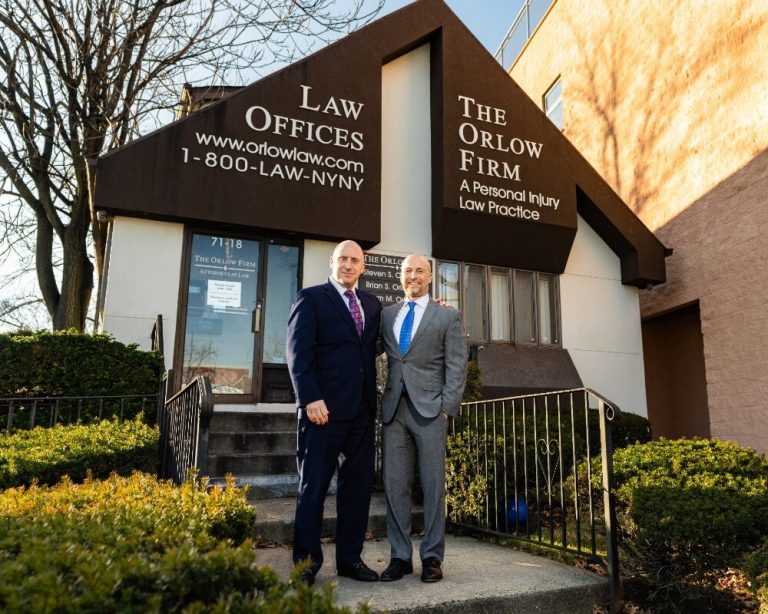
Need Help with an Elder Abuse Concern? Contact The Orlow Firm for a Free Consultation
- Was harmed physically or emotionally by a caregiver, nursing home, or family member
- Experienced unexplained injuries like bruises, burns, or fractures
- Showed signs of neglect, such as malnutrition or poor hygiene
- Had money or property taken without consent
- Was isolated or controlled to prevent communication with others
Sources
- New York Social Services Law Article 9-B — Adult Protective Services
- NYC Human Resources Administration — Adult Protective Services
- ACCESS NYC — Adult Protective Services Program
- NYS Office of Children and Family Services — Adult Protective Services
- NYC 311 — Adult Protective Services
- NY Courts — Guardianship of an Incapacitated Adult (Article 81)
The Following People Contributed to This Page
Written byParalegal & Office ManagerB.A.Sc., Political Science & Government, John Jay College of Criminal Justice (CUNY), 22+ years at The Orlow Firm, Bilingual: English and Spanish