Updated: December 24, 2025 · 30 min read
How to Write a Settlement Demand Letter
Quick Answer: When writing a settlement demand letter in New York City, clearly outline the facts of your case, detail your injuries and damages, and specify the compensation you seek. Include supporting documentation and maintain a professional, concise tone throughout.What Is a Settlement Demand Letter and Why Is It Important?
Understanding How to Write a Settlement Demand Letter is essential for anyone involved in a personal injury claim in New York City. A settlement demand letter is a formal document you send to the insurance company or responsible party after you've been injured due to someone else's negligence. This letter outlines the facts of your case, explains why the other party is liable, and clearly states the compensation you're seeking. In essence, it serves as the starting point for settlement negotiations and can significantly influence the outcome of your case. Why is a settlement demand letter so important? First and foremost, it sets the tone for your entire claim. By clearly and professionally stating your position, you establish credibility and demonstrate seriousness about your case. Additionally, a well-crafted demand letter can expedite the settlement process by presenting the insurer or responsible party with a detailed, organized account of your injuries, damages, and losses. In New York City, where personal injury cases are common and insurers deal with numerous claims daily, your demand letter can make the difference between a swift resolution and prolonged negotiations. A strong demand letter can:- Clearly Communicate Your Position: It helps the other side understand your perspective, the extent of your injuries, and why you believe they should compensate you.
- Encourage Timely Responses: By providing clear deadlines and expectations, your letter prompts the insurer to respond promptly, potentially accelerating the negotiation process.
- Serve as a Foundation for Negotiations: Your initial settlement amount acts as a starting point for discussions, allowing room for negotiation while clearly conveying your expectations.
- Establish a Record: Should your case proceed to court, your settlement demand letter serves as documented proof of your attempts to resolve the matter amicably and fairly.
When Should You Send a Settlement Demand Letter in New York City?
Determining the right time to send your settlement demand letter in New York City is crucial to the success of your personal injury claim. Sending your demand letter too early may mean you haven't fully assessed the extent of your injuries or the true value of your claim. Conversely, waiting too long could unnecessarily prolong your case and potentially impact your ability to seek compensation due to New York's statute of limitations. Here are some key considerations to help you decide when to send your settlement demand letter:- Completion of Medical Treatment: Ideally, you should wait until you have completed medical treatment or reached maximum medical improvement (MMI). MMI means your condition has stabilized, and you have a clear understanding of any permanent injuries or ongoing medical issues. This allows you to accurately calculate your medical expenses and future care needs.
- Gathering Necessary Documentation: Before drafting your demand letter, ensure you have collected all relevant evidence, including medical records, bills, police reports, witness statements, and documentation of lost wages. In New York City, obtaining these documents can sometimes take time, especially from busy hospitals or medical providers. Allowing yourself sufficient time to compile a thorough record strengthens your case and presents a clear picture of your damages.
- Awareness of Statute of Limitations: In New York, the statute of limitations for personal injury claims is generally three years from the date of the injury. However, some cases have shorter deadlines—for example, claims against the City of New York or other government entities require filing a notice of claim within 90 days and commencing a lawsuit within one year and 90 days. Being mindful of these deadlines is essential, as missing them can bar your claim entirely.
- Allowing Time for Negotiation: Sending your settlement demand letter well before the statute of limitations expires provides ample time for negotiation without the pressure of an imminent filing deadline. This can encourage productive settlement discussions and potentially lead to a satisfactory resolution without the need to file a lawsuit.
- Consulting with an Attorney: If you're uncertain about timing or the strength of your claim, it's wise to consult with a personal injury attorney experienced in handling New York City cases. An attorney can guide you on the optimal time to send your settlement demand letter, ensuring your rights are protected throughout the process.
Essential Components of an Effective Settlement Demand Letter
An effective settlement demand letter is your first formal step toward resolving your personal injury claim in New York City. It clearly and persuasively sets forth your case, explains your injuries, and outlines the compensation you are seeking. To ensure your demand letter is impactful and taken seriously by insurance companies, it should include the following essential components:- Clear Introduction : Begin your letter with a concise statement identifying yourself, the purpose of your letter, and the date and location of the incident. This helps the recipient quickly understand the context and the nature of your claim.
- Detailed Account of the Incident : Clearly describe how the accident occurred, including specific details such as date, time, location, and circumstances leading to your injury. For example, if you slipped and fell on an uneven sidewalk in Manhattan, include precise details of the exact location and conditions that contributed to your accident.
- Explanation of Liability : Specifically outline why you believe the other party is legally responsible for your injuries. This should be supported by references to applicable laws or regulations. In New York City, for instance, property owners have a legal duty to maintain safe premises. Pointing out specific violations, such as a failure to repair a known hazard, can strengthen your position.
- Description of Your Injuries and Medical Treatment : Include a thorough account of your injuries, medical diagnoses, and treatments received. Documenting your medical journey clearly demonstrates the severity of your injuries and their direct connection to the incident. For example, if your accident resulted in a fractured ankle requiring surgery at a NYC hospital, mention the procedure, recovery process, and any ongoing therapy.
- Impact on Your Life : Describe how your injuries have affected your daily life, employment, and overall well-being. This includes missed workdays, reduced earning capacity, emotional distress, and disruptions to your personal relationships and normal activities. Providing specific examples, such as missed family events or inability to pursue hobbies, adds credibility to your claim.
- Detailed Calculation of Damages : Clearly itemize the compensation you are seeking, including:
- Medical Expenses: Include past and anticipated future medical bills, prescriptions, physical therapy, and any other treatment costs.
- Lost Wages and Income: Document any loss of income due to missed work and potential future earnings affected by your injuries.
- Pain and Suffering: Provide a reasonable monetary figure to compensate you for physical pain, emotional distress, and reduced quality of life.
- Other Expenses: Include any additional relevant costs, such as transportation to medical appointments or home modifications required due to your injuries.
- Supporting Documentation : Attach relevant documents to bolster your claims. These can include medical records, doctor's reports, bills, photographs of injuries and accident scenes, witness statements, police reports, and any other evidence that substantiates your case. Clearly referencing these documents in your letter demonstrates thoroughness and seriousness.
- Demand for Settlement : Clearly state the total settlement amount you are requesting. Be firm yet realistic, keeping in mind that this figure will likely be negotiated. Provide a specific deadline by which you expect a response, typically 30 days, to encourage timely action from the insurance company.
- Conclusion and Next Steps : Conclude your letter professionally, reiterating your desire to resolve the matter amicably and fairly. Indicate your willingness to pursue legal remedies if a satisfactory settlement cannot be reached, without sounding overly aggressive or confrontational.
- Your Contact Information : Clearly provide your full name, mailing address, phone number, and email address, making it easy for the insurance company or opposing party to respond promptly.
How to Calculate and Justify Your Settlement Amount in NYC
When drafting your settlement demand letter in New York City, determining and clearly justifying your requested settlement amount is crucial. The amount you request should be fair, reasonable, and supported by evidence and clear explanations. To arrive at an appropriate figure, consider the following key factors:- Medical Expenses: Calculate all medical costs related to your injury, including hospital bills, surgeries, medications, rehabilitation, therapy, and future medical treatments recommended by your healthcare providers. Be sure to include both past and anticipated future medical expenses.
- Lost Wages and Lost Earning Capacity: If your injury forced you to miss work, you are entitled to compensation for wages lost during your recovery. Additionally, if your injuries prevent you from returning to your previous job or reduce your ability to earn income in the future, you may claim compensation for diminished earning capacity. Clearly document your work history, salary, and any correspondence from your employer confirming missed work or reduced capacity.
- Pain and Suffering: Unlike medical bills or lost wages, pain and suffering damages are subjective and can be challenging to quantify. Consider factors such as the severity of your injuries, the duration of your recovery, the physical and emotional distress you experienced, and any long-term impairment or permanent disability. Providing detailed descriptions of how your injuries have impacted your daily life, relationships, and emotional well-being can strengthen your justification.
- Property Damage: If your personal property, such as your vehicle, was damaged in the incident, include repair or replacement costs in your calculation. Provide estimates or receipts to substantiate these claims.
- Other Out-of-Pocket Expenses: Include any additional expenses directly resulting from your injury, such as transportation costs to medical appointments, home modifications, or hiring help for household tasks you can no longer perform independently. Document these expenses clearly with receipts or invoices.
Common Mistakes to Avoid When Writing a Settlement Demand Letter
When you're preparing a settlement demand letter in New York City, every detail matters. A well-crafted letter can help facilitate negotiations and bring you closer to a fair resolution. Conversely, making common mistakes can delay or even jeopardize your claim. Here are some frequent pitfalls and how you can avoid them:- Overstating or Understating Your Claim: One of the most common errors is inaccurately assessing the value of your claim. If you demand an excessively high amount without proper justification, the opposing party may dismiss your request as unreasonable. Conversely, undervaluing your claim can lead to an inadequate settlement. Always base your settlement amount on concrete evidence, including medical expenses, lost wages, and other measurable damages.
- Including Emotional or Aggressive Language: It's understandable that you may feel frustrated or angry after suffering an injury. However, a settlement demand letter should maintain a professional and factual tone. Using emotional or accusatory language can negatively impact negotiations. Stick to clear, calm, and factual statements when describing your injuries and their impact on your life.
- Failing to Provide Adequate Documentation: In New York City, insurance companies and defendants typically expect detailed documentation to support your claim. Forgetting to include medical records, bills, photographs, police reports, or employment records can weaken your position. Ensure all relevant evidence is organized and attached to your settlement demand letter.
- Ignoring Deadlines and Statutes of Limitations: New York has specific deadlines, known as statutes of limitations, within which you must file a claim or lawsuit. Missing these deadlines can result in losing your right to pursue compensation altogether. Always be aware of and clearly reference any applicable deadlines in your demand letter to demonstrate your seriousness and preparedness.
- Not Clearly Stating Your Intentions: It's crucial to be clear about your expectations and intentions. Your settlement demand letter should explicitly state that you are open to negotiation but are also prepared to pursue legal action if necessary. Ambiguity can lead to misinterpretation and delays.
- Not Consulting a Legal Professional: While it's possible to draft your own settlement demand letter, consulting with an attorney experienced in personal injury law in NYC can help ensure your letter is comprehensive, persuasive, and avoids costly errors. A knowledgeable attorney can help you accurately calculate damages and present your case effectively.
The Role of Evidence and Documentation in Your NYC Settlement Demand Letter
Evidence and documentation play a crucial role in the effectiveness of your settlement demand letter in New York City. When you're seeking compensation for injuries or losses, it’s essential to back your claims with clear, organized, and compelling evidence. Proper documentation can significantly influence how seriously the opposing party takes your demand and may affect the outcome of negotiations. In NYC, insurance companies and defendants typically require concrete proof of liability and damages before considering settlement offers. Therefore, your demand letter should include detailed documentation to substantiate every element of your claim. Essential evidence and documentation typically include:- Medical Records and Bills: Provide thorough documentation of your injuries, treatment received, and medical expenses incurred. Include records from hospitals, doctors, therapists, pharmacies, and any other healthcare providers involved in your care.
- Photographs and Videos: Visual evidence can be particularly persuasive. Include images or videos of your injuries, the accident scene, hazardous conditions, or damaged property. In NYC, where conditions can change rapidly, capturing photos as soon as possible after an incident can significantly strengthen your case.
- Accident Reports: If your injury resulted from a vehicle collision, workplace accident, or premises liability incident, official reports from police, employers, or property managers should be included. These reports can provide impartial documentation of the circumstances surrounding your injury.
- Witness Statements: Statements from impartial witnesses who observed the accident or its immediate aftermath can greatly bolster your claim. Include their names, contact information, and detailed accounts of what they saw.
- Employment Records: If you've missed work or lost wages due to your injury, documentation from your employer detailing your salary, missed days, and lost earning opportunities is vital to substantiate your claim for lost wages.
- Receipts and Estimates: Include receipts for out-of-pocket expenses like transportation to medical appointments, prescription medications, medical equipment, or home modifications necessitated by your injury. Additionally, estimates for future medical care or ongoing therapy should also be clearly documented.
- Expert Opinions: Occasionally, expert statements from medical professionals, vocational rehabilitation specialists, or accident reconstruction analysts may be necessary. These expert opinions can help clarify the extent of your injuries, future treatment needs, or liability issues.
How New York Laws Influence Your Settlement Demand Letter
When drafting a settlement demand letter in New York City, it's vital to understand how local and state laws can significantly impact your claim. New York has specific statutes and regulations that govern personal injury claims, and being aware of these can help you craft a more effective and persuasive demand letter. Statute of Limitations In New York, the statute of limitations for most personal injury cases is three years from the date of the injury. However, there are exceptions:- Claims against government entities: You must file a Notice of Claim within 90 days of your injury and typically have one year and 90 days from the date of the accident to file your lawsuit.
- Medical malpractice claims: Generally, these claims must be filed within two years and six months from the date of malpractice or from the end of continuous treatment.
What to Expect After Sending Your Settlement Demand Letter in NYC
Once you've sent your settlement demand letter in New York City, it's natural to wonder what happens next. Understanding the typical process can help you manage your expectations, plan your next steps, and maintain peace of mind during what can be an emotionally taxing time. Here’s a general overview of what you can expect after sending your settlement demand letter:- Initial Response from the Insurance Company or Defendant: After receiving your demand letter, the insurance adjuster or defendant's representative will typically review your claims and evidence thoroughly. In New York City, it's common practice for them to acknowledge receipt of your letter within a few weeks. However, the actual timeline can vary depending on the complexity of your case and the responsiveness of the other party.
- Evaluation and Investigation: The opposing party will usually conduct their own evaluation of your injury claim. This may involve reviewing medical records, accident reports, witness statements, and any other documentation you've provided. They may also investigate independently to assess the validity of your claims and the fairness of your proposed settlement amount.
- Counteroffer or Rejection: After evaluating your settlement demand, the insurance company or defendant may respond with a counteroffer that's lower than your requested amount. It’s important to understand that this is a normal part of the negotiation process. Alternatively, they may reject your claim outright, though this is less common if you’ve provided clear evidence and reasonable demands.
- Negotiation Process: Negotiations often involve multiple rounds of offers and counteroffers. You or your attorney will need to be prepared to justify your settlement amount, respond to any counterarguments, and potentially provide additional evidence or documentation. Patience and persistence are key during this stage.
- Settlement Agreement: If both parties agree on a settlement amount, you'll receive a formal settlement agreement outlining the terms and conditions. Before signing, carefully review this document to ensure it accurately represents your agreement. In New York City, once you sign this document, you generally waive your right to pursue further legal action related to your injury.
- Payment Processing: After signing the settlement agreement, the insurance company or defendant will issue payment. Typically, in NYC, this payment is made within a few weeks, though delays can occasionally occur. Once received, the settlement funds will be used to cover medical expenses, attorney fees, lost wages, and other damages outlined in your demand letter.
Negotiating a Settlement: Tips for Responding to Counteroffers
Receiving a counteroffer after sending your settlement demand letter is a common step in the negotiation process. It's important to approach this stage thoughtfully and strategically. The following tips can help you effectively respond to counteroffers and move toward a fair settlement in New York City:- Carefully Review the Counteroffer: Take your time to thoroughly examine the details of the counteroffer. Insurers or opposing counsel often propose amounts significantly lower than your original demand. Assess their reasoning and any justifications provided to better prepare your response.
- Stay Professional and Courteous: Emotions can run high during negotiations, especially after a personal injury. Maintain a respectful and professional tone in all interactions. This approach can encourage a smoother negotiation process and help avoid unnecessary conflicts or delays.
- Reiterate Your Strongest Points: When responding to a counteroffer, clearly restate the key evidence and documentation that support your claim. For example, if you were injured in a slip-and-fall accident in Manhattan, remind the opposing party of medical reports, photographs of the hazardous condition, and any witness statements that substantiate your initial demand.
- Be Open to Reasonable Compromise: Negotiations typically involve some degree of compromise. Consider carefully whether the counteroffer, while lower than your initial demand, might still adequately compensate you for your injuries and losses. If you decide to lower your demand, do so incrementally, clearly indicating your willingness to negotiate but also your commitment to obtaining fair compensation.
- Provide a Detailed Explanation for Your Response: If you reject a counteroffer or present a new offer, clearly articulate your reasons. Explain how you calculated your revised amount, referencing specific expenses or losses such as medical bills, lost wages, ongoing treatment costs, or pain and suffering.
- Set Clear Deadlines: When responding to counteroffers, it's helpful to establish clear deadlines for the opposing party's reply. This strategy can prevent prolonged negotiations and demonstrate your seriousness about resolving the matter efficiently.
- Document All Communications: Keep detailed records of all negotiation communications, including emails, letters, and phone conversations. Accurate documentation can be invaluable if your case proceeds to litigation or if disputes arise later in the negotiation process.
- Consider Seeking Legal Guidance: Negotiating a settlement can become complicated, especially with significant injuries or complex circumstances. Consulting with an experienced personal injury attorney in New York City can provide valuable insights and improve your negotiating position.
Do You Need an Attorney to Draft Your Settlement Demand Letter in New York?
In New York City, you aren't legally required to hire an attorney to draft your settlement demand letter—you can certainly attempt to handle it yourself. However, it's important to understand that settlement demand letters carry significant weight. They set the stage for negotiations and can directly impact the outcome of your case. Having an experienced personal injury attorney involved can provide critical advantages. An attorney can help you:- Accurately Evaluate Your Claim: Lawyers who handle personal injury cases know how to assess the true value of your injuries, lost wages, pain and suffering, and other damages. Without professional guidance, there's a risk you might undervalue your claim, potentially settling for less than you deserve.
- Navigate Complex Legal Procedures: NYC personal injury cases often involve intricate legal rules and deadlines. Missing a crucial deadline or failing to follow specific procedures can negatively affect your claim. Attorneys are familiar with these requirements and ensure your settlement demand letter complies fully.
- Effectively Present Evidence: A strong settlement demand letter doesn't just state a dollar amount—it clearly and persuasively presents evidence to justify your claim. Attorneys understand how to collect, organize, and present medical records, accident reports, witness statements, and other vital documentation to strengthen your position.
- Negotiate Strategically: Insurance companies and defense attorneys regularly handle personal injury claims and are skilled negotiators. An experienced attorney can help level the playing field, advocating for your rights and interests during settlement discussions.
Frequently Asked Questions About Settlement Demand Letters in NYC
Writing and sending a settlement demand letter can feel overwhelming, especially if you're dealing with injuries or emotional distress from an accident. To help you navigate this process, we've answered some common questions New Yorkers have about settlement demand letters:- What exactly is a settlement demand letter? A settlement demand letter is a formal written request sent to the party responsible for your injuries—or their insurance company—asking for compensation. It outlines your injuries, damages, and the amount you're seeking to settle your claim without going to court.
- Do I have to send a demand letter before filing a lawsuit in NYC? While it's not legally required to send a demand letter before filing a personal injury lawsuit in New York, it's typically advisable. A well-crafted demand letter can help initiate negotiations, potentially saving you time, money, and the stress of a court proceeding.
- How long should I wait after my accident before sending a settlement demand letter? It's important not to rush. You should wait until your medical condition has stabilized or you have a clear understanding of your injuries and medical prognosis. In New York, the statute of limitations for personal injury cases is generally three years from the date of the accident, but always consult an attorney for specific deadlines applicable to your case.
- How detailed should my settlement demand letter be? Your demand letter should be thorough and clearly outline all aspects of your claim. Include details about the accident, your injuries, medical treatment received, lost wages, and other damages. Attach supporting documents such as medical records, bills, and evidence of lost income.
- What happens if the insurance company rejects my demand letter? Insurance companies often respond with counteroffers or requests for additional information. If your initial demand is rejected, don't panic—this is usually the starting point for negotiations. You can respond by adjusting your demand slightly or providing additional documentation to support your claim.
- Can anything I write in the demand letter be used against me later? Yes. Your settlement demand letter can become evidence if your case goes to trial. It's important to be factual, accurate, and avoid exaggerations or unsupported claims. Consulting an attorney can help ensure your letter is carefully drafted to protect your interests.
- Should I send the demand letter myself or have an attorney send it? While you can certainly draft and send a demand letter yourself, working with an attorney can significantly strengthen your position. Attorneys understand how to calculate damages accurately, present evidence effectively, and negotiate strategically with insurance companies in New York City.
Next Steps: How The Orlow Firm Can Assist With Your Settlement Demand Letter
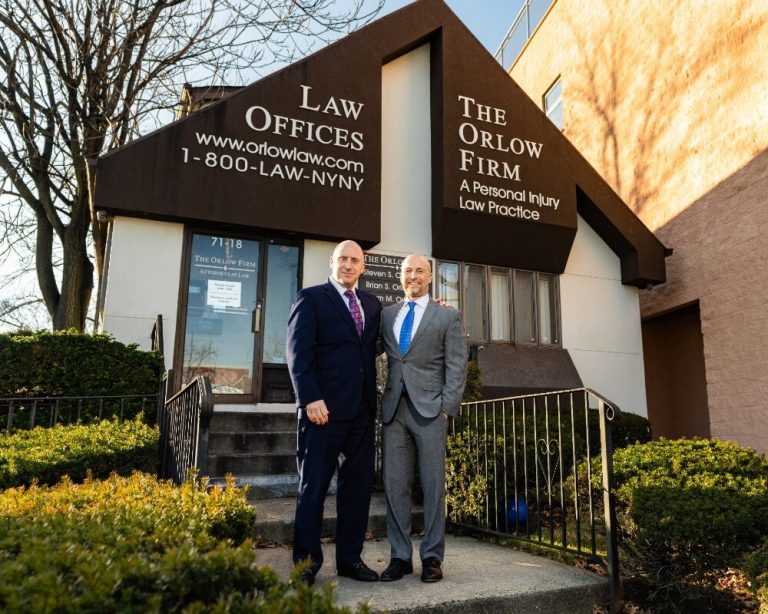
- Evaluating Your Claim: Our attorneys will carefully review the details of your case, including medical records, accident reports, and other essential documentation. This ensures we fully understand the scope of your injuries and losses before drafting your settlement demand letter.
- Calculating a Fair Settlement Amount: Determining the right settlement amount requires an understanding of New York laws and precedents, as well as a thorough assessment of your economic and non-economic damages. We take into account medical expenses, lost wages, pain and suffering, and any future costs related to your injury.
- Gathering and Organizing Evidence: A compelling settlement demand letter relies heavily on clear, persuasive evidence. Our team will help you compile the necessary documentation, such as medical bills, photographs, witness statements, and expert opinions, to support your claim effectively.
- Drafting a Persuasive Letter: Our attorneys are skilled in clearly articulating the facts of your case, your injuries, and the impact they've had on your life. We craft professional, concise, and persuasive demand letters specifically tailored to your unique circumstances and the expectations of insurance companies and defendants in New York City.
- Negotiating on Your Behalf: After sending the settlement demand letter, negotiations often follow. Our experienced attorneys are ready to advocate for your interests, responding strategically to counteroffers and working diligently to pursue a fair resolution.
Sources
- CPLR 214 - Actions to Be Commenced Within Three Years
- CPLR 214-a - Medical Malpractice Statute of Limitations
- CPLR 1411 - Comparative Negligence
- General Municipal Law 50-e - Notice of Claim
- NY Insurance Law 5102 - No-Fault Definitions (Serious Injury)
- NY Labor Law 240 - Scaffold Law
- NY Courts - Statute of Limitations Chart
The Following People Contributed to This Page
Written byParalegal & Office ManagerB.A.Sc., Political Science & Government, John Jay College of Criminal Justice (CUNY), 22+ years at The Orlow Firm, Bilingual: English and Spanish