Updated: March 17, 2026 · 19 min read
Do You Need a License and Insurance To Ride a Scooter in New York City?
Quick Answer: In NYC, you don’t need a license, registration, or insurance to ride an electric scooter—but you must be at least 16 and wear a helmet if you are 16 or 17 years old (VTL Section 1286). Mopeds, however, do require a license, registration, and insurance, depending on their class.Understanding Scooter Regulations in New York City
In this article, we delve into 'Do You Need a License and Insurance To Ride a Scooter in New York City?' providing insights from The Orlow Firm that are crucial for anyone considering using a scooter within the city. As scooters become an increasingly popular mode of transportation in New York City, understanding the regulations governing their use is essential. Whether you're a resident or a visitor, knowing the legal requirements can help you avoid fines, legal issues, and ensure your safety on the road. New York City has specific regulations in place for different types of scooters, which are classified based on their speed and power. The primary categories include electric scooters, kick scooters, and mopeds. Each category has its own set of rules concerning where they can be used, the necessity of registration, and the need for a license or insurance. Electric scooters are allowed on bike lanes and streets with posted speed limits of 30 mph or less (VTL Section 1282). Riders must be at least 16 years old, and helmets are legally required for riders aged 16 and 17 (VTL Section 1286), and recommended for all riders. These scooters do not require a driver’s license or registration, nor do they need insurance. Kick scooters, which are manually powered, do not require a license or insurance. Like bicycles, they can be used on bike lanes and paths. Riders should ensure they follow traffic signals and pedestrian right-of-way rules to avoid accidents and potential legal issues. For mopeds, the regulations are more stringent. Mopeds are divided into three classes based on their top speed. Class A mopeds, which can go over 30 mph, require a regular driver’s license, registration, and insurance. Class B mopeds (21-30 mph) and Class C mopeds (up to 20 mph) require a standard Class D driver's license, registration, and insurance. All mopeds in New York require registration and liability insurance regardless of class. Understanding these distinctions is vital for compliance with New York City laws. Failing to adhere to these regulations can result in fines, impoundment of your scooter, or even more severe legal consequences. For further clarification on scooter regulations or if you encounter any legal challenges, contacting The Orlow Firm at (646) 647-3398 can provide the guidance you need.Scooter Insurance Requirements in New York City
In New York City, the rise of scooters as a popular mode of transportation has brought about questions regarding insurance requirements. Understanding these requirements is crucial for anyone considering riding a scooter in this bustling metropolis. While scooters provide an efficient way to navigate the city's busy streets, ensuring you're compliant with insurance laws can help protect you in case of an accident or other unforeseen events. Electric Scooters and Insurance In NYC, electric scooters, often referred to as e-scooters, are generally not required to have insurance. These scooters are defined under New York State law as devices with handlebars and a floorboard that can be stood upon while riding, and are powered by an electric motor. They have a maximum speed of 20 mph under state law (NY VTL Section 114-e), though NYC enforces a 15 mph speed limit for e-scooters on city streets. Unlike motorcycles or mopeds, e-scooters do not require traditional vehicle insurance. However, it's wise to check with your home or renters insurance provider to see if your policy covers personal liability for e-scooter accidents. Mopeds and Insurance The situation changes if you're riding a moped. Mopeds are divided into three classes in New York:- Class A (31-40 mph): Requires a Class M motorcycle license, registration, and insurance.
- Class B (21-30 mph): Requires a standard Class D driver's license, registration, and insurance.
- Class C (up to 20 mph): Requires a standard Class D driver's license, registration, and insurance.
What Types of Scooters Are Covered Under NYC Laws?
In New York City, a wide variety of scooters are used for transportation, recreation, and even delivery services. However, not all scooters fall under the same legal categories. Understanding which types of scooters are covered under NYC laws is crucial for ensuring compliance with local regulations. 1. Electric Scooters (E-Scooters): These are perhaps the most common type of scooter seen around the city. Electric scooters are defined as devices with handlebars, a floorboard or seat, and are powered by an electric motor. In NYC, e-scooters have a statutory maximum speed of 20 mph under state law, though NYC enforces a 15 mph speed limit. Riders do not need a license to operate these scooters, but there are specific rules about where they can be used, such as bike lanes and streets, but not sidewalks. 2. Motorized Scooters: These scooters are similar to e-scooters but can include those powered by gas. They are typically faster and more robust than e-scooters. In NYC, motorized scooters require both a valid driver’s license and registration. These vehicles are subject to more stringent regulations due to their higher speed capabilities and are generally not allowed on sidewalks. 3. Mopeds: Mopeds are a type of scooter that has a maximum speed of 30 mph and can be powered by a small gas engine or an electric motor. In NYC, mopeds are categorized into three classes based on their speed and power, and they require a driver’s license and registration. Class A mopeds can reach speeds up to 30 mph, while Class B and C mopeds are limited to lower speeds. 4. Kick Scooters: These non-motorized scooters are often used by children and adults for short-distance travel. They do not require a license or registration and can be used on sidewalks. However, riders should always be cautious and follow pedestrian rules to avoid accidents. 5. Shared Scooters: NYC has embraced shared scooter services, which allow users to rent scooters on a short-term basis. These are typically electric scooters and are subject to the same rules as privately-owned e-scooters. Users should ensure they understand the terms of use, including where the scooters can be legally operated and parked. Knowing the type of scooter you are operating and complying with NYC regulations can help prevent legal issues and accidents. If you have questions or need legal assistance regarding scooter regulations or accidents, feel free to contact The Orlow Firm at (646) 647-3398 for compassionate and professional guidance.How to Legally Ride a Scooter in New York City
Riding a scooter in New York City can be a convenient and enjoyable way to navigate the bustling streets. However, to ensure that you are riding legally, it’s crucial to understand and comply with the city’s regulations. Here’s a comprehensive guide on how to legally ride a scooter in New York City:- Understand the Type of Scooter: In NYC, scooters are generally categorized into two types: electric scooters and kick scooters. Electric scooters, which are powered by motors, are subject to more stringent regulations compared to non-motorized kick scooters.
- Age Requirements: You must be at least 16 years old to legally ride an electric scooter in New York City. There are no specific age restrictions for kick scooters, but it is advisable for younger riders to be supervised by an adult.
- Helmet Use: Helmets are legally required for e-scooter riders aged 16 and 17 under VTL Section 1286. While helmets are not legally required for riders 18 and over, they are strongly recommended for safety.
- Stay Within Speed Limits: Electric scooters are limited to a maximum speed of 15 miles per hour. It’s important to adhere to this limit to ensure both your safety and compliance with the law.
- Where to Ride: Scooters should be ridden in bike lanes wherever available. If a bike lane is not accessible, it is permissible to ride on streets with a speed limit of 30 mph or less. Riding on sidewalks is prohibited to ensure pedestrian safety.
- Follow Traffic Rules: Just like bicyclists, scooter riders must obey all traffic signals and signs. This includes stopping at red lights and yielding to pedestrians at crosswalks.
- Registration and Licensing: Currently, you do not need a driver’s license or vehicle registration to operate a scooter in NYC. However, staying informed about any changes in regulations is important as laws can evolve.
- Parking Considerations: When parking your scooter, make sure it does not obstruct pedestrian pathways or violate any local parking regulations. Improperly parked scooters can be subject to fines or removal.
Common Misconceptions About Scooter Licensing and Insurance
When it comes to riding a scooter in New York City, there are several misconceptions about licensing and insurance that can lead to confusion. Understanding these misconceptions is crucial for ensuring that you are compliant with local laws and regulations.- Misconception 1: A Driver’s License is Always Required to Ride a Scooter in NYC Many people believe that you need a driver’s license to ride any scooter in New York City. However, this is not always the case. For example, electric scooters that do not exceed 20 mph generally do not require a driver’s license. However, motorized scooters that are more powerful and capable of higher speeds may require a Class M or Class MJ license. It’s important to check the specific requirements based on the type of scooter you plan to ride.
- Misconception 2: Insurance is Not Necessary for Scooters Another common misconception is that scooter riders do not need insurance. While it is true that basic electric scooters do not require insurance, larger and faster scooters, especially those classified similarly to motorcycles, might require liability insurance. Additionally, having insurance can be beneficial in the event of an accident, covering potential damages and legal costs.
- Misconception 3: All Scooters Are Treated the Same Under NYC Law Not all scooters are treated equally under New York City laws. The city differentiates between electric scooters, mopeds, and motorized scooters based on their speed and engine capacity. Each category has different regulations regarding licensing and insurance. Understanding these distinctions is vital to ensure compliance and avoid fines.
- Misconception 4: Renting a Scooter Exempts You from Legal Requirements Some individuals assume that renting a scooter means they don’t have to worry about licensing or insurance requirements. While rental companies often provide insurance, it's essential to verify what is covered. Moreover, riders are still responsible for adhering to all local traffic laws, including any licensing requirements.
- Misconception 5: Scooters Are Not Subject to Traffic Laws A dangerous misconception is that scooters can bypass traffic laws. In reality, scooter riders must follow the same traffic laws as other vehicles on the road. This includes obeying traffic signals, riding in the correct lane, and not riding on sidewalks. Failure to adhere to these laws can result in fines and penalties.
Consequences of Riding Without a License or Insurance in NYC
Riding a scooter in New York City can be a convenient and enjoyable way to navigate the bustling streets. However, it's important to understand that doing so without the proper license or insurance can lead to significant consequences. These penalties are not just minor inconveniences; they can have serious financial and legal implications. Fines and Penalties- Monetary Fines: If you're caught riding a scooter without the appropriate license, you may be subject to fines. These fines can vary based on the specific circumstances, but they are designed to deter unlicensed riding.
- Additional Penalties: Besides fines, you might also face penalties such as points on your driving record. Accumulating too many points can lead to higher insurance premiums and even license suspension.
- Legal Action: Riding without insurance can expose you to legal actions, especially if you're involved in an accident. Without insurance, you could be personally liable for any damages or injuries, which could result in lawsuits and significant out-of-pocket expenses.
- Criminal Charges: In some cases, riding without a license or insurance may lead to criminal charges. This can result in a criminal record, which may affect your future employment opportunities and personal reputation.
- Uninsured Accidents: If you are involved in an accident without insurance, you may be responsible for covering the costs of any injuries or damages. This can include medical bills, property damage, and compensation for pain and suffering.
- Impact on Victims: Riding without insurance not only affects you but also impacts anyone else involved in an accident. Victims may face difficulties in obtaining compensation for their injuries, leading to prolonged legal disputes.
Legal Implications of Scooter Accidents in New York City
Scooter accidents in New York City can have significant legal implications, especially when it comes to determining liability and securing compensation for injuries. If you are involved in a scooter accident, understanding these implications can be crucial for protecting your rights and interests. Liability Determination One of the primary legal aspects of scooter accidents is determining who is at fault. Liability can be complex, as it may involve multiple parties, including:- Other Vehicle Drivers: If a car, truck, or other vehicle collides with a scooter, the driver may be held liable if they were negligent, such as by speeding, running a red light, or failing to yield.
- Scooter Operators: If the scooter rider was acting recklessly or violating traffic laws, they might be partially or fully responsible for the accident.
- Pedestrians: In some cases, pedestrians may contribute to an accident by jaywalking or stepping into traffic without looking.
- Municipalities: Poorly maintained roads, unclear signage, or defective traffic signals can lead to accidents, potentially implicating local government entities.
- No-Fault Insurance: If an e-scooter rider is struck by a motor vehicle, the motor vehicle's no-fault insurance may cover the rider's medical expenses and lost wages, regardless of who was at fault. However, e-scooters themselves are not classified as motor vehicles under NY law and are not covered by the no-fault system on their own.
- Liability Insurance: If another party is found liable, their insurance may cover your damages, including medical bills and property damage.
- Uninsured/Underinsured Motorist Coverage: This type of coverage is crucial if the at-fault party lacks sufficient insurance to cover your losses.
- Medical Expenses: Covering the cost of current and future medical treatment related to the accident.
- Lost Wages: Compensation for income lost due to inability to work after the accident.
- Pain and Suffering: Damages for physical pain and emotional distress caused by the accident.
- Property Damage: Costs associated with repairing or replacing the scooter or other personal property.
What to Do If You're Involved in a Scooter Accident in NYC
Being involved in a scooter accident in New York City can be a daunting experience, especially given the city's bustling traffic and complex legal landscape. Knowing the right steps to take immediately following an accident can protect your rights and help you navigate the aftermath more effectively. 1. Ensure Safety and Seek Medical Attention- Check for injuries: First and foremost, ensure your safety and the safety of others involved. If anyone is injured, call 911 immediately to request medical assistance. Even if you feel fine, it's crucial to get checked by a healthcare professional as some injuries might not be immediately apparent.
- Move to a safe location: If possible, move yourself and your scooter out of the flow of traffic to prevent further accidents.
- Take photos: Use your phone to capture the accident scene, including any damage to vehicles, road conditions, traffic signs, and any visible injuries. These photos can serve as valuable evidence later on.
- Collect information: Exchange contact and insurance information with all parties involved. If there are witnesses, try to obtain their contact details as well.
- Contact the police: Even if the accident seems minor, it's important to file a police report. This document can be crucial if you decide to pursue a legal claim.
- Notify your insurance company: Inform your insurance provider about the accident as soon as possible. They will guide you on the next steps regarding your policy and potential claims.
- Keep all records: Maintain a file with all accident-related documents, including medical reports, repair estimates, and communication with insurance companies. This will help build a strong case if you need to pursue legal action.
- Seek legal advice: Even if you believe the accident was straightforward, consulting with a personal injury attorney can provide clarity on your rights and options. An experienced lawyer can help you navigate the complexities of traffic laws and insurance claims in New York City.
Sources
- NY Vehicle and Traffic Law Section 114-e -- Electric Scooter Definition (max speed 20 mph)
- NY Vehicle and Traffic Law Section 121-b -- Limited Use Motorcycle (Moped) Classifications
- NY Vehicle and Traffic Law Section 1282 -- Operating Electric Scooters (roadway restrictions, age requirements)
- NY Vehicle and Traffic Law Section 1286 -- Protective Headgear for E-Scooter Riders
- NY Vehicle and Traffic Law Section 2265 -- Equipment, Inspection and Insurance for Limited Use Vehicles
- NY DMV -- Register a Limited Use Motorcycle (Moped)
- NY DMV -- Electric Scooters and Bicycles
- NY DMV -- Insurance Requirements
- NYC DOT -- Electric Bicycles and More
- CPLR Section 214 -- Statute of Limitations (3 years for personal injury)
- General Municipal Law Section 50-e -- Notice of Claim (90 days for government entities)
Contact The Orlow Firm for Scooter-Related Legal Assistance
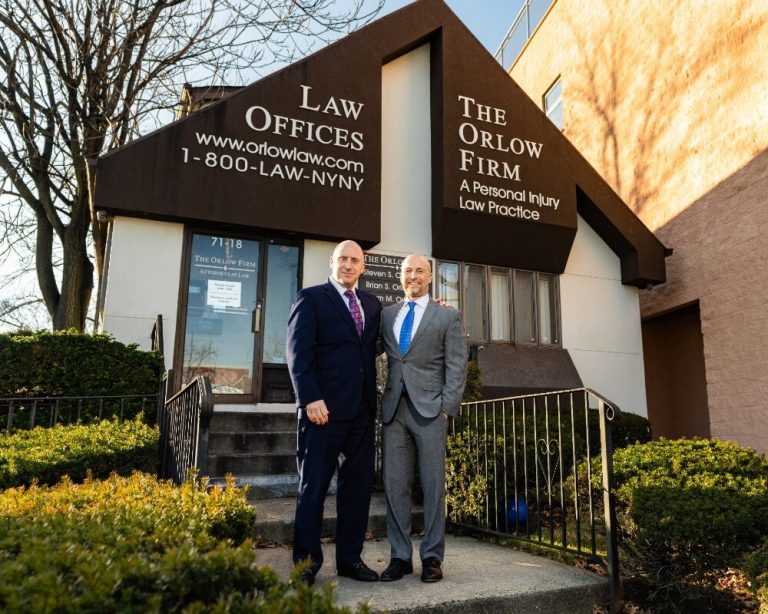
- Knowledge of NYC Laws: Our attorneys are well-versed in New York City's specific laws and regulations regarding scooter use. We can help clarify what is required for legal operation and what steps you need to take if you're facing legal challenges.
- Comprehensive Legal Support: From understanding insurance requirements to dealing with potential fines and penalties, we offer comprehensive legal support to ensure you're fully informed and prepared.
- Scooter Accident Representation: If you've been involved in a scooter accident, our firm has a proven track record of successfully handling personal injury cases. We strive to secure the compensation you may be entitled to for medical bills, lost wages, and other damages.
The Following People Contributed to This Page
Written byParalegal & Office ManagerB.A.Sc., Political Science & Government, John Jay College of Criminal Justice (CUNY), 22+ years at The Orlow Firm, Bilingual: English and Spanish