Updated: October 10, 2025 · 23 min read
What Can Families Recover in Wrongful Death Damages in New York?
Quick Answer: In New York, families of wrongful death victims may recover damages for funeral expenses, lost wages and benefits, loss of parental guidance, and other pecuniary (financial) losses. The deceased's conscious pain and suffering prior to death may be recoverable through a separate survival action. If you've lost a loved one due to the negligence or carelessness of someone else's actions, contact The Orlow Firm's wrongful death lawyers today for a free consultation where we can discuss your options. (646) 647-3398.Types of Damages Recoverable in a New York Wrongful Death Claim
In a wrongful death claim in New York, families of the deceased may be entitled to recover various types of damages. These damages are designed to compensate for both the economic and non-economic losses resulting from the untimely death of a loved one. Understanding these potential recoveries can help families navigate the legal process during such a difficult time.- Economic Damages: These are quantifiable financial losses that the family incurs due to the death. They can include:
- Medical Expenses: Costs related to the medical care that the deceased received before passing away. This can cover hospital bills, emergency services, and any treatments the deceased underwent as a result of the incident.
- Funeral and Burial Costs: The expenses associated with the funeral and burial services for the deceased.
- Lost Wages and Benefits: Compensation for the income the deceased would have likely earned had they lived. This includes salary, bonuses, and other employment benefits.
- Loss of Inheritance: The estimated value of what the deceased would have likely saved and left to their heirs.
- Loss of Parental Guidance: Though sometimes categorized as non-economic, New York courts recognize loss of parental guidance as a form of pecuniary loss. This covers the nurturing, care, moral training, and guidance the deceased would have provided to their children.
- Loss of Household Services: The value of domestic services the deceased provided, such as childcare, cooking, and home maintenance.
Who Can File a Wrongful Death Lawsuit in New York?
In New York, the ability to file a wrongful death lawsuit is not open to just anyone. The law specifies who can initiate such a claim, ensuring that the process is both orderly and fair. Understanding who is eligible to file is crucial for families seeking justice and compensation after the untimely death of a loved one. The Role of the Personal Representative In New York, a wrongful death lawsuit must be filed by a personal representative of the deceased person's estate. This individual is often named in the deceased’s will or appointed by the court if no will exists. The personal representative acts on behalf of the deceased's estate and the surviving family members, ensuring that any compensation awarded is distributed according to the deceased’s wishes or state law. Eligible Family Members While the personal representative is the one who files the lawsuit, the damages recovered are intended for the benefit of specific family members. These typically include:- Spouse: The surviving spouse often has a primary claim for loss of financial support and the value of services the deceased provided.
- Children: Both minor and adult children can recover damages for the loss of parental guidance and support.
- Parents: If the deceased was a child, the parents may recover damages for emotional suffering and loss of future support.
Calculating Economic and Non-Economic Damages in NYC Wrongful Death Cases
When a family loses a loved one due to someone else's negligence or wrongful actions, the emotional and financial toll can be overwhelming. In New York City, families can seek compensation through a wrongful death claim, which includes both economic and non-economic damages. Understanding how these damages are calculated is crucial for ensuring that families receive the full compensation they are entitled to.Economic Damages
Economic damages refer to the tangible, financial losses incurred as a result of the deceased's passing. Calculating these damages involves assessing various factors, including:- Lost Wages and Benefits: This includes the income the deceased would have earned had they lived a full life. The calculation takes into account the deceased's salary, potential raises, bonuses, and benefits such as health insurance and retirement plans.
- Medical Expenses: If the deceased incurred medical bills before passing away due to the incident, these costs are recoverable.
- Funeral and Burial Costs: Families can recover reasonable expenses related to the funeral and burial of their loved one.
- Loss of Household Services: This considers the value of services the deceased provided, such as childcare, cooking, and home maintenance.
Non-Economic Damages
Important note on New York's "pecuniary loss" rule: Unlike most states, New York's wrongful death statute (EPTL § 5-4.3) limits recovery strictly to pecuniary (financial) losses. Surviving family members cannot recover for their own grief, emotional anguish, or loss of companionship in a wrongful death action. The NY Pattern Jury Instructions explicitly state: "You may not consider or make any award for sorrow, mental anguish, injury to feelings, or for loss of companionship." However, certain categories that may seem non-economic are recognized as pecuniary losses by New York courts:- Loss of Parental Guidance: If the deceased was a parent, the children may be compensated for the loss of parental care, nurturing, and moral training. Courts treat this as a pecuniary loss.
- Loss of Household Services: The monetary value of services the deceased provided to the household.
The Role of a Personal Representative in Wrongful Death Claims
In New York, a wrongful death claim is a legal action taken when someone dies due to the negligence or misconduct of another party. The process of filing such a claim can be complex, and a key player in this process is the personal representative. Understanding the role of a personal representative is crucial for families seeking justice and compensation for their loss. Who is a Personal Representative? A personal representative is an individual appointed to manage the deceased person's estate. In the context of a wrongful death claim, this person is responsible for initiating and pursuing the lawsuit on behalf of the deceased's beneficiaries. In New York, the personal representative is often named in the deceased's will or appointed by the court if no will exists. Responsibilities of a Personal Representative The personal representative has several critical responsibilities in a wrongful death claim, which include:- Filing the Lawsuit: The personal representative is responsible for filing the wrongful death lawsuit in court. This involves gathering necessary documentation, such as the death certificate and evidence of the defendant's liability.
- Managing the Estate: Beyond the lawsuit, the personal representative manages the deceased's estate, ensuring that debts are paid and assets are distributed according to the will or state law.
- Communicating with Beneficiaries: Keeping the deceased's family informed about the progress of the lawsuit and any settlements or court decisions is a crucial part of the role.
- Negotiating Settlements: If the case does not go to trial, the personal representative may work with attorneys to negotiate a settlement with the defendant's insurance company or legal team.
- Legal Complexity: Navigating the legal system can be daunting, especially for those unfamiliar with it. Legal guidance is often necessary to ensure compliance with all procedural requirements.
- Emotional Strain: Managing a wrongful death claim can be emotionally taxing, as it involves revisiting the circumstances of the loved one’s death.
- Family Dynamics: Disagreements among beneficiaries can arise regarding the distribution of any damages recovered, adding another layer of complexity.
Common Challenges in Pursuing Wrongful Death Damages in New York
When pursuing wrongful death damages in New York, families often encounter a range of challenges that can complicate the process. Understanding these obstacles can help families better navigate their claims and ensure they receive the compensation they deserve. Here are some common challenges faced in pursuing wrongful death damages in New York:- Proving Negligence: Establishing that a party's negligence led to the wrongful death is crucial in these cases. This involves gathering substantial evidence, such as witness statements, expert testimonies, and accident reports, to demonstrate that the defendant's actions directly caused the death.
- Identifying the Personal Representative: In New York, only the personal representative of the deceased's estate can file a wrongful death lawsuit. Appointing this representative can be a complex legal process, especially if there are disputes among family members or if the deceased did not leave a will.
- Calculating Damages: Determining the appropriate amount of damages can be challenging. Families must consider both economic damages, such as lost income and funeral expenses, and non-economic damages, like loss of companionship. Accurately calculating these damages often requires expert analysis and can be a contentious part of the process.
- Navigating Legal Complexities: Wrongful death claims involve intricate legal procedures and strict deadlines. Missing a filing deadline or failing to adhere to procedural requirements can jeopardize a claim. Families must navigate these complexities carefully to avoid losing their right to compensation.
- Dealing with Insurance Companies: Insurance companies often aim to minimize payouts and may employ tactics to delay or deny claims. Families may find it difficult to negotiate with insurers, particularly when they are grieving and unfamiliar with the legal process.
- Understanding New York's Statute of Limitations: In New York, wrongful death claims must be filed within two years of the deceased's death. This time constraint can add pressure to an already difficult situation, making it essential for families to act promptly.
How New York's Statute of Limitations Affects Wrongful Death Claims
In New York, the statute of limitations plays a critical role in wrongful death claims. The statute of limitations is essentially a legal deadline by which a lawsuit must be filed. Understanding this timeline is crucial for families seeking justice and compensation after losing a loved one due to someone else's negligence or wrongful actions. Timeframe for Filing a Wrongful Death Claim In New York, the statute of limitations for filing a wrongful death lawsuit is generally two years from the date of the deceased person's death. This means that the personal representative of the deceased's estate must initiate legal action within this two-year period. Failing to do so could result in the loss of the right to pursue compensation. It's important to note that this timeframe applies specifically to wrongful death claims, which differ from personal injury claims that the deceased might have pursued had they survived. Exceptions and Considerations While the two-year period is the standard, certain exceptions may apply:- Discovery of Harm: In rare cases, if the cause of death is not immediately apparent and is discovered later, the statute of limitations might be extended. However, this is not common in wrongful death cases.
- Criminal Proceedings: If the death resulted from a crime, the statute of limitations might be tolled (paused) until the criminal case is resolved, though this is subject to specific legal interpretations and should be discussed with an attorney.
- Minors as Beneficiaries: If the beneficiaries of the wrongful death claim include minors, there might be additional considerations regarding when the statute of limitations begins to run for those minors.
Impact of Comparative Negligence on Wrongful Death Damages in NYC
In New York City, the concept of comparative negligence plays a significant role in determining the damages recoverable in wrongful death cases. Comparative negligence refers to the situation where the deceased may have been partially responsible for the accident that led to their death. In such cases, the amount of damages the family can recover may be reduced based on the deceased's level of fault. New York follows a "pure comparative negligence" rule. This means that even if the deceased was 99% at fault for the accident, the family could still recover 1% of the damages. However, the compensation will be adjusted according to the deceased's percentage of fault. Understanding how this impacts a wrongful death claim is crucial for families seeking justice and compensation. Here’s how comparative negligence can affect wrongful death damages in NYC:- Proportionate Reduction in Damages: The total damages awarded to the family will be reduced by the percentage of fault attributed to the deceased. For example, if the total damages amount to $500,000 and the deceased was found to be 20% at fault, the recoverable amount would be reduced to $400,000.
- Determining Fault: Fault is determined based on the evidence presented, which may include witness statements, accident reports, and expert testimony. It is crucial to gather comprehensive evidence to minimize the percentage of fault attributed to the deceased.
- Legal Strategy: An effective legal strategy involves demonstrating the negligence of the other party involved and minimizing the perceived negligence of the deceased. This requires a thorough investigation and skilled negotiation or litigation.
How The Orlow Firm Supports Families in Wrongful Death Cases
At The Orlow Firm, we understand that losing a loved one due to someone else's negligence is a devastating experience. Our role is to provide compassionate and comprehensive legal support to families navigating wrongful death claims in New York City. Here's how we assist families during these challenging times:- Comprehensive Case Evaluation : We begin by thoroughly reviewing the circumstances surrounding the wrongful death. This includes gathering all necessary documentation, such as medical records, accident reports, and witness statements, to build a strong foundation for your claim.
- Understanding Your Rights : Navigating wrongful death claims can be complex, especially with the specific laws in New York. We take the time to explain your legal rights and options clearly, ensuring you have a complete understanding of what you can recover and the steps involved.
- Calculating Damages : One of the critical aspects of a wrongful death claim is accurately calculating both economic and non-economic damages. Our team works diligently to assess the full extent of financial losses, such as lost income and medical expenses, as well as non-economic damages like pain and suffering and loss of companionship.
- Representing Your Interests : Whether through negotiation or litigation, we are committed to representing your family's best interests. We handle all communications with insurance companies and opposing parties, aiming to secure a fair settlement that reflects the true impact of your loss.
- Providing Emotional Support : We recognize that legal proceedings can be emotionally taxing. Our attorneys provide compassionate support throughout the process, addressing your concerns and ensuring you feel heard and understood.
Frequently Asked Questions About Wrongful Death Damages in New York
When a loved one passes away due to someone else's negligence or wrongful act, understanding the compensation available can be crucial for the surviving family members. Here, we address some frequently asked questions about wrongful death damages in New York, focusing on what families in New York City can recover.- What are wrongful death damages? Wrongful death damages are financial compensations awarded to the family or estate of a deceased person whose death was caused by the negligent or intentional actions of another party. These damages aim to alleviate the financial burden and compensate for the loss suffered by the family.
- Who can file a wrongful death claim in New York? In New York, a wrongful death claim must be filed by the personal representative of the deceased person's estate. This individual is often named in the deceased’s will or appointed by the court if there is no will.
- What types of damages can be recovered in a wrongful death lawsuit? Families can recover both economic and non-economic damages, including:
- Economic Damages: These cover tangible losses such as medical expenses incurred before death, funeral and burial costs, loss of the deceased's expected earnings, and loss of benefits such as pension plans.
- Other Pecuniary Losses: Loss of parental guidance and nurturing (for the deceased's children), and loss of household services. Note that New York does not allow recovery for grief, loss of companionship, or emotional suffering by surviving family members in wrongful death claims. The deceased's conscious pain and suffering may be recovered separately through a survival action.
- Can punitive damages be awarded in New York wrongful death cases? Yes, under EPTL § 5-4.3(b), punitive damages are available for deaths occurring on or after September 1, 1982, if such damages would have been recoverable had the decedent survived. However, courts rarely award them and reserve them for cases involving especially egregious or reckless conduct.
- How is the amount of damages determined? The amount is typically determined based on several factors, including the deceased's age, health, life expectancy, earning capacity, and the nature of the relationship between the deceased and the surviving family members.
- Is there a time limit for filing a wrongful death claim in New York? Yes, the statute of limitations for filing a wrongful death claim in New York is generally two years from the date of death. It’s crucial to take action within this timeframe to preserve your right to compensation.
Steps to Take if You Suspect a Wrongful Death in Your Family
If you suspect that a loved one's death was wrongful, taking the right steps promptly can be crucial for both emotional closure and legal recourse. Here’s a guide to help you navigate this challenging time:- Seek Immediate Support: Grieving the loss of a loved one is difficult, and it's important to seek emotional support from family, friends, or professional counselors. This support can provide the strength needed to handle subsequent legal steps.
- Obtain the Death Certificate: This official document is essential for any legal proceedings and will be needed to establish the cause and circumstances of death.
- Document Everything: Collect any relevant information about the circumstances leading to the death. This includes medical records, accident reports, witness statements, and any correspondence with medical or law enforcement personnel.
- Consult a Wrongful Death Attorney: Engaging with a knowledgeable attorney can help you understand your rights and the legal options available. An attorney can provide guidance on whether you have a viable wrongful death claim and what damages you might be able to recover.
- Appoint a Personal Representative: In New York, a wrongful death claim must be filed by the personal representative of the deceased's estate. This is often a family member appointed by the court. Your attorney can assist with this process.
- Preserve Evidence: Ensure that all potential evidence related to the wrongful death is preserved. This may include securing medical devices, safety equipment, or any other items involved in the incident.
- Understand the Statute of Limitations: In New York, the statute of limitations for filing a wrongful death claim is generally two years from the date of death. Acting promptly ensures you do not miss this critical deadline.
- Evaluate Potential Damages: Work with your attorney to assess the types of damages you may be entitled to, such as funeral expenses, lost wages, and compensation for pain and suffering.
Sources & Legal References
- EPTL § 5-4.1 — Wrongful Death Action (NY Senate)
- EPTL § 5-4.3 — Wrongful Death Damages (NY Senate)
- CPLR § 1411 — Pure Comparative Negligence (NY Senate)
- Statute of Limitations Chart (NY Courts)
- NY Pattern Jury Instructions — Wrongful Death Damages (NY Courts)
Contacting The Orlow Firm for Assistance with Wrongful Death Claims
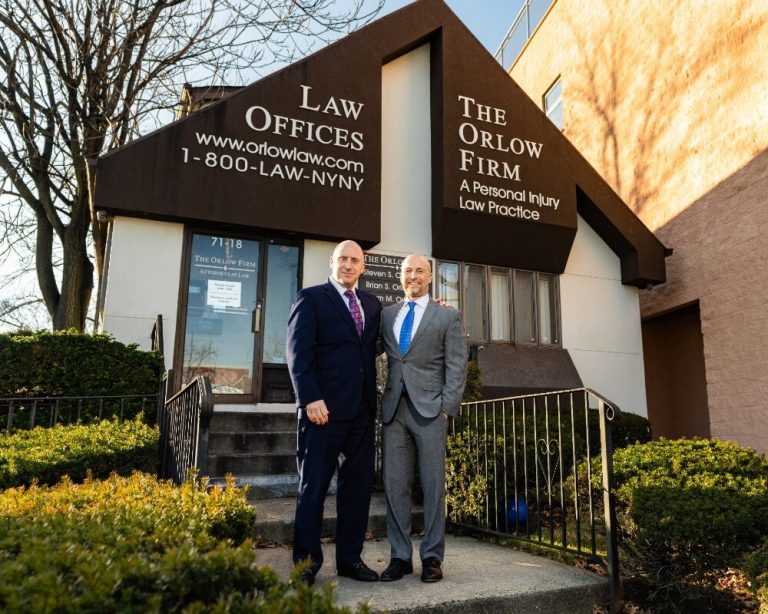
- Experience in Wrongful Death Cases: Our attorneys have extensive experience handling wrongful death claims in New York City. We are familiar with the intricacies of New York law and the unique challenges that can arise in these cases.
- Personalized Attention: We believe in treating each client's case with the utmost care and attention. Our team takes the time to understand your specific situation and tailor our approach to meet your needs.
- Comprehensive Support: From gathering evidence to negotiating with insurance companies, we handle all aspects of your case, allowing you to focus on healing and remembering your loved one.
- Initial Consultation: Call us at (646) 647-3398 to schedule a free consultation. During this meeting, we will discuss the details of your case and explain your legal options.
- Case Evaluation: Our team will conduct a thorough evaluation of your case, including reviewing medical records, accident reports, and any other relevant documentation.
- Developing a Strategy: Based on our evaluation, we will develop a legal strategy aimed at securing the maximum compensation for your family. This may include pursuing economic and non-economic damages such as medical expenses, lost income, and pain and suffering.
- Ongoing Communication: We keep you informed throughout the process, providing updates and answering any questions you may have.
The Following People Contributed to This Page
Written byParalegal & Office ManagerB.A.Sc., Political Science & Government, John Jay College of Criminal Justice (CUNY), 22+ years at The Orlow Firm, Bilingual: English and Spanish