Updated: November 4, 2025 · 22 min read
What Is the Daubert Standard and Why Does It Matter in NYC Courts?
Quick Answer: The Daubert Standard is a rule used by U.S. courts to determine the admissibility of expert witness testimony. It requires judges to act as "gatekeepers," assessing whether the expert's testimony is relevant and reliable before allowing it to be presented to the jury. This standard was established in the 1993 Supreme Court case Daubert v. Merrell Dow Pharmaceuticals, Inc. Here's a more detailed explanation of the Daubert Standard:- Reliability: The judge must rigorously evaluate whether the expert's underlying methods, principles, and reasoning are scientifically valid and reliable. This ensures the testimony is grounded in sound methodology, not speculation.
- Relevance: The expert testimony must be directly relevant to the specific facts of the case. It needs to genuinely assist the judge or jury in understanding the evidence or determining a fact that is in dispute.
- Judge as Gatekeeper: The judge holds the responsibility of acting as a "gatekeeper," ensuring that any expert testimony presented to the court is based on sound scientific principles, reliable data, and appropriate methodology, rather than on unsubstantiated opinions or unreliable methods.
- Factors for Assessing Reliability: While not a definitive checklist, courts often consider several factors when evaluating an expert's testimony for reliability:
- Testability: Whether the expert's theory or technique can be (and has been) tested.
- Peer review and publication: Whether the expert's work has been subjected to peer review and published in scientific literature.
- Known or potential error rate: The known or potential error rate of the expert's methods or techniques.
- General acceptance: Whether the expert's methodology is generally accepted within the relevant scientific community.
- Application to the facts: Whether the expert has reliably applied their methods to the specific facts of the case at hand.
- Expansion of Daubert: The Daubert standard's scope was later expanded by the Supreme Court in Kumho Tire Co. v. Carmichael (1999). This expansion clarified that the standard applies not only to scientific testimony but also to expert testimony based on "technical or other specialized knowledge," encompassing a broader range of expert fields.
How Does the Daubert Standard Affect Expert Witnesses in New York?
The Daubert standard plays a big role in how expert witnesses are used in New York courts, especially in personal injury cases. Expert witnesses are people with special knowledge who help explain complex topics, like medical conditions or accident mechanics. Under the Daubert standard, not just anyone can be called an expert. Their testimony must meet certain rules to be accepted in court. So how does this affect expert witnesses in New York? It means that just having experience or a degree is not always enough. The court must look at whether the expert’s methods and opinions are based on reliable science or technical facts. If the judge thinks the expert’s testimony isn’t trustworthy or helpful, the judge can keep it out of the trial. Here are some ways this standard affects expert witnesses in NYC courts:- Stricter review of expert opinions: The judge acts as a gatekeeper. They make sure the expert’s opinion is not based on guesses or untested ideas.
- Testimony must be based on scientific or technical methods: The expert must use methods that other professionals in their field accept as valid.
- Experts may be challenged before trial: The court might hold a hearing to decide if the expert's testimony meets the Daubert standard before allowing the jury to hear it.
- Not all expert witnesses are accepted: Even if someone has years of experience, they might still be kept off the witness stand if their process doesn't meet the rules.
What Criteria Must Expert Testimony Meet Under the Daubert Standard?
Under the Daubert Standard, expert testimony must meet certain criteria before it can be accepted by the court. This rule helps judges decide if an expert witness is reliable and if their opinion is based on sound science or knowledge. In New York, especially in personal injury cases, meeting these standards is critical for presenting a strong case that may involve medical, scientific, or technical facts. To be allowed in court under the Daubert Standard, expert testimony must meet the following main criteria:- The testimony must be based on scientific, technical, or specialized knowledge that will help the judge or jury understand the facts of the case.
- The expert’s opinion must be based on reliable methods and principles . That means the expert used tools or techniques that are accepted in their field.
- The methods used must have been properly applied to the case . The expert can’t just rely on general knowledge—they must show how the methods connect to the specific facts of the case.
- Testing: Has the method or theory been tested in a real, scientific way?
- Peer Review and Publication: Has the method or idea been reviewed by other experts and published in professional journals?
- Error Rate: Is there a known rate of error for the method the expert used, and is it considered acceptable?
- Standards and Controls: Are there standards in place to ensure the method is used correctly?
- General Acceptance: Is the method or theory widely accepted in the expert's field?
Is the Daubert Standard the Same in State and Federal New York Courts?
The Daubert standard is used differently in federal and state courts in New York. While federal courts fully follow the Daubert standard, New York state courts do not apply it the same way. This difference is important if your case involves expert witnesses, like doctors or accident reconstruction specialists. In federal courts, the Daubert standard is the rule. Judges act as “gatekeepers,” which means they must decide whether expert testimony is reliable and based on sound science before it can be shown to a jury. This rule comes from a U.S. Supreme Court case called Daubert v. Merrell Dow Pharmaceuticals. In New York state courts, things work a bit differently. While New York courts do consider whether expert testimony is trustworthy, they do not fully follow the federal Daubert rules. Instead, they use what’s known as the Frye standard. The Frye standard asks whether the expert’s method is generally accepted by the scientific community. It focuses more on tradition and general agreement in the field, rather than how testable or peer-reviewed the methods are. Here are the key differences between the two standards:- Daubert (Federal Court): Judges examine the science behind the expert’s opinion. The method must be testable, peer-reviewed, have a known error rate, and be generally accepted.
- Frye (New York State Court): Judges look at whether the method is widely accepted in its field. They usually do not question the science as deeply.
How Do Judges Use the Daubert Standard to Evaluate Experts?
Judges in New York use the Daubert standard to decide whether an expert witness may testify in court. This standard helps ensure that the expert’s opinion is based on reliable and relevant science, not just personal beliefs or untested ideas. It’s especially important in personal injury cases where expert testimony can affect the final outcome. When using the Daubert standard, a judge acts as a “gatekeeper.” This means the judge reviews the expert’s testimony before it’s shown to a jury. The goal is to make sure the expert’s information is both trustworthy and useful for the case. Under the Daubert standard, judges often ask the following key questions:- Has the expert’s method been tested? The court checks if the expert’s theory or technique has been tested in real situations, not just in theory.
- Has the method been peer-reviewed? Judges look at whether other experts in the same field have reviewed and approved the method in published studies or journals.
- What is the error rate associated with the method? The judge considers the chance of mistakes in the expert’s process and whether that rate is acceptable.
- Are there standards for the method? Judges see if there are rules that guide how the expert’s method should be used and whether the expert followed them.
- Is the method generally accepted in the expert’s field? Acceptance by the larger scientific or professional community helps show the method is valid.
Why Is the Daubert Standard Important in Personal Injury Cases?
The Daubert Standard plays a key role in personal injury cases, especially when expert witnesses are involved. Expert witnesses often provide important opinions in these cases. For example, they may explain how an injury happened, how serious it is, or whether a product was defective. But not all expert opinions are treated the same in court. The Daubert Standard helps judges decide whether an expert’s opinion is reliable enough to be presented to a jury. In simple terms, the Daubert Standard sets rules for which expert testimony can be used in a case. It helps keep junk science or untested opinions out of the courtroom. In a personal injury lawsuit, this can affect the outcome of the case. Here’s why the Daubert Standard matters in personal injury claims:- It protects fairness: Both sides in a case should rely on expert opinions that are based on real science or professional knowledge. The Daubert Standard ensures only sound, tested methods are used by experts in court.
- It influences how damages are decided: In a case where the injury’s cause or severity is in question, expert testimony could be the deciding factor. If an expert is not allowed to testify, that could seriously hurt one side’s case.
- It helps filter out weak claims: If an expert uses outdated or unreliable methods, their opinions may not meet the Daubert test. This helps prevent misleading or exaggerated claims from reaching a jury.
- It affects settlements: Insurance companies and defense lawyers often look at which expert witnesses will be allowed. A strong, admissible expert opinion under the Daubert Standard may encourage the other side to settle rather than risk trial.
What Are Common Challenges to Expert Witnesses Using the Daubert Standard?
Expert witnesses often play a key role in personal injury cases. They help explain complex information like medical conditions, accident reconstructions, or product malfunctions. But before they can testify in New York courts, their opinions must meet the Daubert standard. This means their methods and conclusions need to be reliable and based on sound science. Meeting this standard can bring several challenges. Here are some of the most common issues expert witnesses may face:- Lack of Scientific Support: An expert's opinion must come from accepted research, testing, or data. If their methods are not widely accepted in their field, or if their conclusions seem too personal or untested, a judge might not allow their testimony.
- Poor Qualifications: Even if someone seems knowledgeable, the court must see that they have proper training, experience, or education in the topic they’re discussing. If an expert is seen as underqualified, their input may be rejected.
- Biased Opinions: Courts in New York look carefully at whether an expert has a neutral point of view. If the expert appears too connected to the party who hired them—such as being a frequent paid witness—their credibility may be questioned.
- Unreliable Methods: Experts must use methods that others in their field would recognize or approve. If their process cannot be tested, checked by peers, or repeated, it will likely not meet the Daubert standard.
- Poor Communication: Even reliable experts can struggle if they can't clearly explain their findings. In New York City courts, judges and juries often need information presented in simple, clear language. Confusing or technical testimony may be rejected or misunderstood.
How Can the Daubert Standard Impact Your NYC Injury Case Outcome?
The Daubert standard can play a major role in how your personal injury case is decided in New York City. This standard affects whether expert witnesses can testify in court. In many personal injury cases—like car accidents, slip and falls, or medical malpractice—experts are often needed to explain complex issues to the jury. If their testimony is allowed or denied under the Daubert standard, it can directly impact your case’s outcome. Here’s how the Daubert standard can affect your NYC injury claim:- Expert testimony may be excluded: If the court decides that an expert's opinion doesn’t meet the Daubert criteria, that expert may not be allowed to testify. This can weaken your case if the expert was going to explain how the accident happened or the extent of your injuries.
- The jury may never hear key evidence: In a personal injury case, an expert might explain how a product failed or how a medical error harmed you. Without that expert, the jury might not hear critical information that supports your claim.
- Judges can dismiss claims early: If your claim relies heavily on expert opinions that don’t meet the Daubert standard, the judge may dismiss parts of your case, or even the entire case, before it reaches trial.
- The other side may challenge your witnesses: Defense attorneys often use the Daubert standard to try to exclude your expert. If successful, this could make it harder for your side to prove things like the seriousness of your injury or who was at fault.
- Medical opinions about injury causes and long-term effects
- Accident reconstruction to explain how an event took place
- Economic analysis to show lost wages or future earnings loss
Frequently Asked Questions About the Daubert Standard in New York
- What is the Daubert standard? The Daubert standard is a legal rule used by courts to decide if an expert witness's testimony is reliable and valid. It helps judges keep out opinions that are not based on good science or solid methods.
- How does the Daubert standard work in New York? New York state courts use a similar rule called the Frye standard, but federal courts in New York apply the Daubert standard. In some cases, state courts may consider Daubert-like factors, especially if the science is new or complex. If your injury case is in federal court, Daubert will likely apply.
- What counts as an "expert witness" under Daubert? An expert witness is someone with special knowledge, skill, or training who can help explain facts in a case. This can include doctors, engineers, accident reconstruction experts, and more. Under the Daubert standard, they must use methods that are tested, accepted, and based on real science or professional standards.
- Why does the Daubert standard matter in a personal injury case? Expert witnesses often play a big role in proving injury cases. They can help show how an accident caused your injuries or how much care you’ll need in the future. If an expert’s testimony gets rejected under the Daubert standard, it can weaken your case. That’s why choosing qualified, reliable experts is important.
- Who decides if an expert meets the Daubert standard? The judge decides if an expert’s opinions are allowed. This is called acting as a "gatekeeper." A judge will review several factors, including whether the expert's method is widely accepted and whether it has been tested and reviewed by others.
- What are some reasons a judge might reject expert testimony under Daubert? A judge may exclude testimony if:
- The expert's methods are not tested.
- The expert relies too much on guesswork or personal opinion.
- The science is not generally accepted in the expert’s field.
- The expert did not apply the method properly to the facts of the case.
- Can a case be dismissed because of Daubert issues? Yes, it can happen. If expert testimony is a key part of your case and the judge says it doesn't meet the Daubert standard, it may be hard or impossible to prove your claim. That’s why having experienced legal support matters.
- Does the Daubert standard apply in NYC criminal cases? In general, Daubert applies more often in federal criminal courts than in New York state courts. In state criminal cases, judges still look at whether expert evidence is reliable, but they may follow different rules like the Frye standard.
- What should I do if I think Daubert might affect my injury case? If your case depends on expert opinions, it’s important to get legal help early. A personal injury lawyer can make sure the expert witnesses meet the proper standards and help protect your case from being harmed by a Daubert hearing.
Sources
- Daubert v. Merrell Dow Pharmaceuticals, Inc., 509 U.S. 579 (1993) — Cornell Law Institute
- Federal Rules of Evidence, Rule 702: Testimony by Expert Witnesses — Cornell Law Institute
- Kumho Tire Co. v. Carmichael, 526 U.S. 137 (1999) — Cornell Law Institute
- Daubert Standard — Legal Definition — Cornell Law Institute
- Frye Standard — Legal Definition — Cornell Law Institute
- Guide to New York Evidence — Rule 7.01: Opinion of Expert Witness — NYCourts.gov
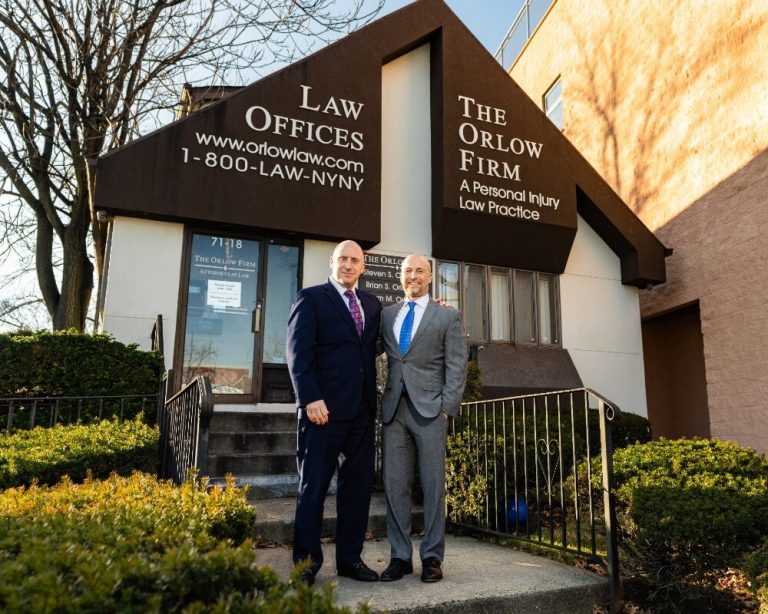
Contact The Orlow Firm for a Free Consultation About Your Case
- Listen to the details of your case so we can fully understand what happened and how it has affected you.
- Explain the legal process in plain language, including how the Daubert standard might affect your expert witnesses.
- Answer your questions clearly and honestly, without pressure or confusing legal jargon.
- Help you decide next steps based on your unique situation and the potential strengths or challenges of your case.
The Following People Contributed to This Page
Written byParalegal & Office ManagerB.A.Sc., Political Science & Government, John Jay College of Criminal Justice (CUNY), 22+ years at The Orlow Firm, Bilingual: English and Spanish