Updated: February 5, 2026 · 23 min read
What Is Expert Testimony in Personal Injury Cases?
Quick Answer: Expert testimony in personal injury cases involves a qualified person explaining technical or medical facts to the court. This helps judges and juries understand important details about injuries or accidents in New York City cases. Such testimony can support a claim by clarifying how the injury happened or its impact on the victim.Why Expert Testimony Matters in Personal Injury Claims
Expert testimony plays a key role in personal injury claims because it helps explain complex facts to the court. In many cases, the judge or jury needs specialized knowledge to understand what happened and why. Experts provide this knowledge based on their training, education, and experience. Here are some reasons why expert testimony matters in personal injury cases, especially in New York City:- Clarifying technical details: Personal injury cases often involve medical issues, accident causes, or safety standards that are not easy for non-experts to understand. Experts break down these topics into clear, simple explanations.
- Proving fault or liability: Experts can analyze evidence such as accident scenes, vehicle damage, or medical records to help show who was responsible for the injury.
- Estimating damages: Medical experts can explain the extent of injuries, the need for future treatment, and how the injury affects daily life. This helps establish the value of compensation.
- Supporting credibility: Expert opinions can strengthen a case by providing professional support for the claims made by the injured party.
- Meeting legal standards: New York courts require reliable and relevant expert testimony to allow complex evidence. Without expert input, key facts might be excluded from the trial.
Types of Experts Commonly Used in Personal Injury Cases
In personal injury cases, courts often rely on testimony from various types of professionals to explain complex facts. These professionals, called expert witnesses, provide opinions that help judges and juries understand technical or specialized information. In New York City personal injury claims, several types of experts are commonly involved, depending on the nature of the case.- Medical Experts: These experts include doctors, surgeons, and other healthcare providers who can explain the nature of injuries, treatment options, prognosis, and long-term effects. They help show how an injury happened and how it affects the victim’s life.
- Accident Reconstruction Specialists: These professionals analyze the details of a crash or incident. They review evidence like vehicle damage, road conditions, and witness statements to recreate how the accident occurred. Their testimony can clarify fault and the sequence of events.
- Biomechanics Experts: Biomechanics experts study how forces affect the human body. They explain how injuries might result from certain impacts or movements, helping to connect the accident to the physical harm suffered.
- Vocational Rehabilitation Experts: These specialists assess how an injury affects a person’s ability to work. They may explain whether the victim can return to their previous job or what types of work they can do in the future, which is important for calculating lost wages and earning capacity.
- Economic and Financial Experts: These experts calculate the financial impact of injuries. They estimate costs like medical expenses, future care, lost income, and other economic damages. Their analysis supports claims for fair compensation.
- Safety and Engineering Experts: In cases involving defective products, dangerous conditions, or construction accidents, safety engineers examine whether safety standards were met. They can testify about design flaws, maintenance issues, or building code violations.
- Psychological Experts: Psychologists or psychiatrists may provide testimony about emotional or mental injuries resulting from the accident. They assess conditions such as post-traumatic stress disorder (PTSD), depression, or anxiety caused by the incident.
How Expert Testimony Helps Prove Liability and Damages
Expert testimony plays a key role in proving both liability and damages in personal injury cases in New York City. Liability means showing who was responsible for the accident or injury. Damages refer to the losses or harm suffered by the injured person. Often, these issues involve technical or specialized knowledge beyond what a typical person understands. That’s where expert testimony becomes important. How Expert Testimony Helps Prove Liability In many personal injury cases, it’s not enough to simply say someone was at fault. The court needs clear evidence. Experts can explain complex facts in a way that judges and juries understand. For example:- Accident reconstruction experts analyze the scene, vehicle damage, and other data to show how a crash happened and who caused it.
- Safety engineers may testify about whether a property or product was unsafe and if that contributed to the injury.
- Medical experts can link an injury to the accident or explain if a pre-existing condition was made worse by the incident.
- Medical professionals provide opinions on the severity of injuries, expected recovery times, and any permanent effects.
- Economic experts calculate lost income, future earning capacity, and costs related to care or rehabilitation.
- Vocational experts may evaluate how injuries affect a person’s ability to work or perform daily activities.
- Clarifying technical details that are not obvious to everyday people.
- Connecting the injury to the accident in a clear, logical way.
- Providing objective evaluations of the injury’s severity and its financial impact.
- Helping the court understand complex evidence so fair decisions can be made.
The Role of Medical Experts in New York City Injury Cases
Medical experts play a crucial role in personal injury cases in New York City. Their testimony helps explain the nature and extent of injuries to the court. This is important because judges and juries often need clear, professional explanations to understand complex medical issues. In personal injury cases, medical experts may include doctors, surgeons, physical therapists, or other healthcare professionals. They review medical records, examine the injured person, and give opinions on:- The cause of the injury: Whether the injury was caused by the accident or another condition.
- The severity of the injury: How serious the injury is and what impact it has on the person’s life.
- The treatment required: What medical care or therapy is needed now and in the future.
- The long-term effects: Whether the injury will cause permanent disability, pain, or limitations.
- Medical bills already paid and expected future costs.
- Lost income due to inability to work.
- Impact on quality of life and ability to enjoy normal activities.
Using Accident Reconstruction Experts in NYC Personal Injury Lawsuits
Accident reconstruction experts play an important role in many personal injury cases in New York City. These specialists study how a crash happened by examining the evidence and using scientific methods. Their findings can help clarify the cause of an accident and who might be responsible. In NYC, where traffic is heavy and accidents can be complex, accident reconstruction experts analyze details such as:- Vehicle damage: They look at the way cars or other vehicles were damaged to estimate the speed and angle of impact.
- Road conditions: Experts review factors like road layout, traffic signals, and weather to understand how they may have contributed to the accident.
- Skid marks and debris: These physical clues help determine how vehicles moved before and after the collision.
- Witness statements and video footage: When available, these sources support or challenge the expert’s conclusions.
- How the accident occurred: Understanding the exact cause is critical to proving liability or fault.
- Whether traffic laws were violated: For example, if a driver ran a red light or failed to yield.
- The speed of the vehicles involved: This can show if someone was driving recklessly or too fast for conditions.
- The force of impact: This helps assess the severity of injuries and damages.
Legal Standards for Admitting Expert Testimony in New York Courts
In New York courts, expert testimony in personal injury cases must meet specific legal standards before it can be presented to a judge or jury. These rules help ensure that the information experts provide is reliable, relevant, and based on sound methods. The main goal is to prevent opinions that are speculative or not supported by facts from influencing the outcome of a case. New York follows guidelines shaped by both state law and court decisions. The primary standard for admitting expert testimony in New York state courts comes from the Frye test, established in Frye v. United States (1923). Under Frye, an expert’s scientific methods must be “generally accepted” by the relevant professional community before the testimony can be admitted. To be admitted in court, expert testimony generally must satisfy these criteria:- Relevance: The testimony must directly relate to an important issue in the case, such as the cause of the injury or the extent of damages.
- Reliability: The expert’s methods and reasoning must be based on accepted scientific or professional principles. Courts look for testimony grounded in facts, data, or reliable techniques rather than guesswork.
- Qualifications: The person giving the testimony must have specialized knowledge, skill, experience, training, or education in the subject matter. This helps the court determine whether the expert is qualified to give an opinion.
- Helpfulness: The expert’s opinion must assist the judge or jury in understanding evidence or facts that are beyond the average person’s knowledge.
Challenges and Disputes Over Expert Testimony in Personal Injury Cases
Expert testimony plays a key role in personal injury cases, but it can also lead to challenges and disputes. These disagreements often arise because expert opinions may differ, or their qualifications and methods might be questioned. Understanding these issues helps injured parties in New York City prepare for potential hurdles during their case. Common Challenges Over Expert Testimony- Qualifications of the Expert: The opposing side may argue that the expert does not have the proper education, training, or experience to speak on the subject. In New York courts, experts must be qualified to give opinions that assist the judge or jury in understanding complex issues.
- Relevance of the Testimony: Sometimes, an expert’s opinion might be seen as unrelated or not helpful to the facts of the case. The court can exclude testimony that does not clearly connect to the issues being decided.
- Reliability of Methods: The expert’s methods and techniques must be reliable and accepted in their field. If the opposing counsel can show that the expert used flawed or unproven methods, the testimony may be challenged or rejected.
- Conflicting Opinions: In many cases, each side presents its own experts who may offer contradictory views. This can make it difficult for the judge or jury to decide which expert to believe.
- Bias or Interest: If an expert is seen as biased toward one side, their testimony may be questioned. This could include financial ties or close relationships with a party in the case.
- Choose Qualified Experts: Make sure your experts have strong credentials and experience relevant to your case.
- Prepare Thorough Reports: Detailed and clear expert reports can help withstand challenges about reliability and relevance.
- Anticipate Opposing Arguments: Be ready to address common challenges like bias or methodological concerns.
- Understand New York’s Legal Standards: Knowing how courts evaluate expert testimony can guide how to present and support expert opinions.
Preparing for Expert Testimony: What Injured Parties Should Know
Preparing for expert testimony in a personal injury case involves several important steps that injured parties should understand. Expert testimony can play a key role in proving the cause of the injury and the extent of damages. Being ready helps ensure the testimony is clear, credible, and supports your claim effectively. Here are some key points injured individuals should know when preparing for expert testimony in New York City personal injury cases:- Understand the Expert’s Role: Experts provide opinions based on their specialized knowledge, such as doctors explaining injuries or engineers reconstructing accidents. Knowing what your expert will discuss helps you follow their testimony and prepare questions.
- Provide Complete Information: To help experts form accurate opinions, share all relevant medical records, accident reports, and other documents with them. Full information allows the expert to give a clear and honest explanation of your case.
- Be Ready for Depositions: Before trial, experts usually give depositions—sworn out-of-court statements. You may attend these sessions, and your lawyer will prepare you to understand what happens and how the expert’s answers affect your case.
- Review the Expert’s Report: Experts prepare written reports summarizing their findings. Ask your attorney to explain these reports so you understand the opinions and how they support your claim.
- Prepare to Explain Your Injuries: Experts may need you to describe your symptoms, pain, and how injuries affect your daily life. Being honest and clear helps the expert connect your experience to their testimony.
- Stay Calm During Testimony: Whether the expert testifies in court or during deposition, remain calm and attentive. Your lawyer will guide you on when and how to speak or ask questions.
- Know the Timeline: Expert testimony usually comes after fact witnesses and before closing arguments. Knowing when to expect it helps reduce stress and keeps you informed about your case progress.
How Expert Testimony Can Affect Settlement Negotiations
Expert testimony can play a key role during settlement negotiations in personal injury cases. In New York City, these negotiations often happen before a case goes to trial. The presence or strength of expert testimony can influence how much the parties are willing to agree upon as a settlement. Here are several ways expert testimony can affect settlement talks:- Clarifying the Facts: Experts can explain complex details about the injury, accident, or damages. This helps both sides understand the strengths and weaknesses of the case.
- Supporting the Claim: When an expert provides clear evidence that supports the injured person’s claims, it can encourage the insurance company or opposing party to offer a fairer settlement.
- Showing Potential Trial Outcomes: Expert opinions give insight into how a judge or jury might view the case. If the expert’s testimony is strong, the other side may decide a trial risk is too high and settle instead.
- Estimating Damages: Experts, especially medical or economic ones, can estimate the future costs related to the injury. This information helps set realistic settlement amounts for medical care, lost wages, or pain and suffering.
- Increasing Negotiation Leverage: Having credible expert testimony can strengthen the injured party’s bargaining position. It signals that the case is well-prepared and backed by professional analysis.
What to Expect During Expert Testimony in a Personal Injury Trial
During a personal injury trial in New York City, expert testimony plays a key role in helping the judge or jury understand complex facts. If you are involved in such a trial, here is what you can expect when expert witnesses present their testimony. 1. Introduction of the Expert Witness The expert will first be introduced to the court. The attorney who called the expert will explain the expert’s background, qualifications, and experience. This helps the judge and jury understand why this person is qualified to offer an opinion on the case. 2. Explanation of the Expert’s Opinion The expert will then explain their findings or opinions related to the injury case. For example, a medical expert might describe the nature of the injuries and how they affect the injured person’s daily life. An accident reconstruction expert might explain how the accident happened based on evidence. 3. Use of Visual Aids and Reports Experts often use diagrams, photographs, charts, or written reports to make their explanation clearer. These tools help simplify complex information, making it easier for the jury to understand the facts. 4. Questioning by Both Sides After the expert’s direct testimony, the opposing attorney will have the chance to cross-examine the expert. This means they will ask questions to test the expert’s opinions, qualifications, or the methods they used. This process helps ensure the expert’s testimony is reliable and fair. 5. Clear and Simple Language Although experts are specialists, they are expected to explain their opinions in a way that non-experts can understand. This is especially important in personal injury cases where jurors may not have medical or technical knowledge. 6. Impact on the Case Expert testimony can strongly influence the outcome of a personal injury trial. Their explanations help the court decide who was at fault and how much compensation might be fair. In New York City trials, where cases can be complex, expert witnesses provide valuable clarity. 7. Preparation for Testimony Before trial, your attorney will work closely with any experts involved. This preparation helps ensure the expert is ready to clearly explain their opinions and answer questions effectively during the trial. Summary:- Experts introduce themselves and explain their qualifications.
- Experts present their opinions using clear language and visual aids.
- Both sides ask questions to test the expert’s conclusions.
- The testimony helps the judge or jury understand complex issues.
- Your attorney will prepare experts to provide clear and helpful testimony.
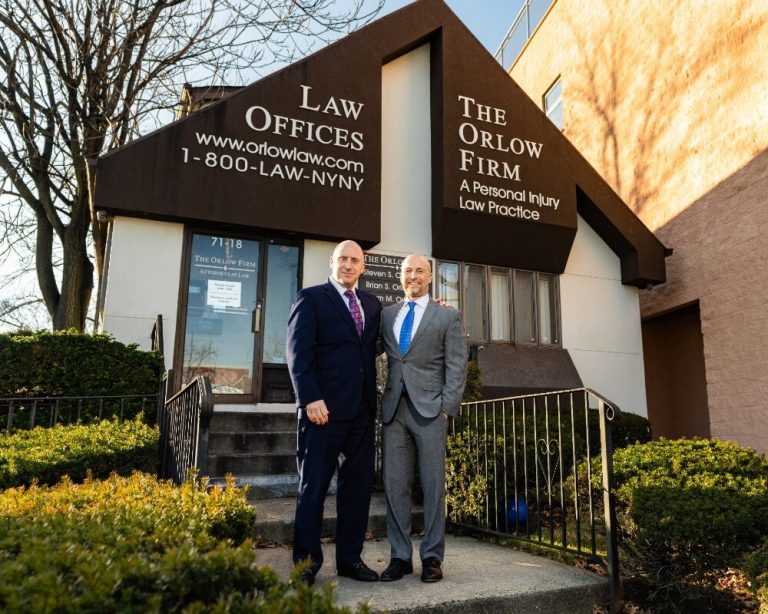
Contacting The Orlow Firm for Help with Expert Testimony in NYC Cases
- Review your case details to identify what kind of expert testimony may be needed.
- Help select and consult with appropriate experts who can explain technical or medical issues in plain language.
- Prepare you and your experts for depositions and trial testimony, so the information presented is clear and effective.
- Explain the legal standards that New York courts use to accept expert testimony, ensuring your case meets these requirements.
- Handle disputes that may arise over the credibility or relevance of expert opinions.
The Following People Contributed to This Page
Written byParalegal & Office ManagerB.A.Sc., Political Science & Government, John Jay College of Criminal Justice (CUNY), 22+ years at The Orlow Firm, Bilingual: English and Spanish