Updated: May 10, 2026 · 20 min read
What Is a Reservation of Rights Letter in a Personal Injury Case?
Quick Answer: A Reservation of Rights letter is a formal notification from an insurance company to its insured, stating that while they are investigating a claim, they may ultimately deny coverage based on the investigation's findings. This letter essentially reserves the insurer's right to deny payment for some or all aspects of the claim if the investigation reveals that the incident isn't covered by the policy.Here's a more detailed breakdown of reservation of rights letters:
- Purpose: The primary purpose of a Reservation of Rights letter is to allow the insurance company to conduct a thorough investigation into a claim without automatically waiving their right to later deny coverage. It protects the insurer's position should the claim prove to be outside the policy's terms.
- Investigation: The letter signals that the insurer is actively examining the circumstances of the claim. This involves reviewing the relevant policy language, gathering facts related to the incident, and assessing how the claim aligns with the policy's terms and conditions.
- Potential Denial: A Reservation of Rights letter explicitly states that, despite the ongoing investigation, the insurer may discover reasons to deny coverage. This means they might ultimately refuse to pay for the damages or losses claimed if the incident is found not to be covered by the policy.
- Impact on Insured: Receiving this letter can be concerning for the insured, as it introduces the possibility of a claim denial. Even if the insurer initially provides a legal defense or begins paying some costs related to the claim, the letter indicates that full coverage is not guaranteed.
- Importance of Review: It is crucial for the insured to carefully review and understand the contents of a Reservation of Rights letter. Consulting with an insurance broker or an attorney is highly advisable to comprehend the implications of the letter and to determine the most appropriate course of action.
- Examples: A Reservation of Rights letter might be issued in various situations, such as when the claim involves potential policy exclusions (e.g., intentional acts, specific types of damage), a possible breach of contract by the insured, or a question about whether the claimed damages meet policy thresholds.
- Defense: Even with a Reservation of Rights letter, the insurer might still provide a legal defense for the insured against a lawsuit. However, this action does not waive their right to deny coverage later, especially if the claim is ultimately determined to fall outside the policy's scope.
- Defense Costs: In some cases, the insurer might seek a non-waiver agreement where the insured consents to the insurer providing a defense while reserving the right to recoup defense costs if coverage is later denied. However, under New York law, courts have generally held that insurers cannot recoup defense costs unless the insurance policy itself expressly provides for recoupment (N.Y. Insurance Law § 3420).
- No Consent Needed: The insurer typically does not need the insured's consent to send a Reservation of Rights letter; it is a unilateral notification from the insurer to its policyholder.
Why Do Insurance Companies Send Reservation of Rights Letters in NYC?
Insurance companies in New York City send Reservation of Rights letters to protect themselves while they review a claim. These letters do not mean your claim is denied. Instead, they say the insurance company is still looking into the facts and may later deny part or all of the claim based on the policy terms. When someone files a personal injury claim—like after a car accident, slip and fall, or workplace injury—the insurance company needs time to investigate. During this time, they may start helping with the claim but send a letter saying they “reserve the right” to deny coverage later. This type of letter is a common step in personal injury cases, especially in a busy area like New York City, where accidents happen often and policies can be complex. Here are some common reasons why insurance companies send these letters:- Unclear facts: The company may not yet know exactly what happened in the incident or who is responsible.
- Coverage questions: They may be unsure if the injury or event is covered by the insurance policy. For example, some policies may exclude certain types of injuries or acts.
- Policy violations: If the insurer believes the policyholder broke the rules—for example, by waiting too long to report the accident—they may want to investigate before agreeing to pay.
- Preserving legal rights: Under New York law, insurers have an exceedingly broad duty to defend their policyholders. Sending a Reservation of Rights letter allows them to fulfill that duty to defend without waiving their right to later deny coverage based on policy exclusions or other defenses.
How Can a Reservation of Rights Impact Your Personal Injury Claim?
A reservation of rights letter can have a strong impact on your personal injury claim. It does not mean the insurance company has denied your claim. Instead, it means they are still reviewing the details and may later decide not to cover certain parts of the claim. In simple terms, the insurer is saying, “We’re looking into this, but we’re not promising to pay just yet.” This can lead to confusion and stress, especially when you’re focused on healing from your injuries. Here's how a reservation of rights can affect your personal injury case in New York City:- Delay in payment: The insurance company may take longer to pay claims while they investigate coverage issues. This can slow down your access to compensation for medical bills or lost wages.
- Confusion about coverage: You may not know whether the insurer will pay your claim in full. This uncertainty may make it harder to plan for medical treatment or other financial needs.
- Legal challenges: The insurer may later decide that some parts of your claim are not covered. This could lead to disputes or even a lawsuit to recover the money you deserve.
- Increased pressure: Some insurers send a reservation of rights as a way to protect themselves. But for you, it can feel like they are preparing to deny the claim, which may make the process more stressful.
- Possible conflict of interest: If the insurance company hires a lawyer to defend you (in liability cases), and they also might deny coverage, you may face a conflict. That lawyer might not fully serve your best interests if the insurer chooses not to cover you later.
What Should You Do If You Receive a Reservation of Rights Letter in New York?
If you receive a Reservation of Rights letter from an insurance company in New York, it’s important to understand what it means and what steps to take. While it can be confusing or even scary, the letter doesn’t mean your claim is denied. Instead, it signals that the insurance company is still reviewing your case and may not cover all parts of it. Here are key steps to take if you receive this type of letter:- Read the letter carefully. Take time to go through the letter. Look for details about what parts of your claim are being questioned or under investigation.
- Do not ignore it. A Reservation of Rights letter can impact your case later. Doing nothing could hurt your chance of getting full compensation.
- Save all documentation. Keep a copy of the letter and any other communication you receive from the insurance company. This includes emails, letters, and claim forms.
- Do not respond alone. Avoid writing or calling the insurance company without advice. What you say may be used against your claim later.
- Get legal support early. Speak with a personal injury attorney who understands New York laws. They can explain what the letter means and protect your rights.
Can You Still Be Compensated If a Reservation of Rights Is Issued?
Yes, you can still be compensated even if you receive a reservation of rights letter. This letter does not mean your claim has been denied. It’s a notice from the insurance company that they are reviewing your case but may choose to deny coverage later, depending on what they find. Think of it as a “wait and see” letter. The insurer is reserving their legal rights, which means they are investigating your claim but are not promising to provide coverage just yet. This does not mean that you won’t be compensated—it means the process could become more complex. Here’s what this may mean for your personal injury claim:- Your claim is still being reviewed: A reservation of rights letter allows the insurance company to begin investigating and even start defending the claim, while still keeping the option to deny coverage later.
- You may still receive payments: The insurance company might still pay for certain legal fees or medical bills as they review the case.
- Legal issues may be involved: The insurer may question whether the accident qualifies for coverage under the policy. For example, they might argue the policy wasn’t active, or that the injury isn’t covered.
- You could sue the at-fault party directly: Even if insurance doesn’t pay, the person or business that caused your injury may still be held responsible.
- You might challenge the insurance decision: Sometimes insurance companies wrongly deny valid claims. A personal injury attorney can help you dispute their decision if needed.
How Is a Reservation of Rights Different from a Claim Denial?
A Reservation of Rights letter and a claim denial are not the same thing, though they both come from insurance companies and can affect your personal injury case. Here’s the key difference:- Reservation of Rights: This is a notice from the insurance company telling you they are reviewing your claim while reserving their rights, but they are not yet committing to paying it. They may still provide a defense or handle parts of the claim while they review all the facts.
- Claim Denial: This is an official decision saying the insurance company won’t pay your claim or part of it. A denial means they believe the policy doesn't cover your situation.
- Reservation of Rights = “We’re reserving the option to deny your claim later”
- Claim Denial = “We have decided not to pay your claim”
Who Should You Contact When Dealing With a Reservation of Rights Letter in NYC?
If you receive a reservation of rights letter from an insurance company in New York City, one of the most important steps you can take is to contact a qualified personal injury attorney as soon as possible. These letters often mean the insurance company is warning you that they may not cover certain parts of your claim. Without legal advice, you could say or do something that harms your case. A reservation of rights letter is not a claim denial, but it can be a warning sign. It means the insurer is investigating your case and wants to keep the option open to deny coverage later. Because the language in these letters can be confusing, it helps to have a lawyer explain what it really means for your personal injury claim. Here’s why contacting a personal injury attorney in NYC is the right move:- They understand New York insurance laws: A local attorney can explain how state laws apply to your specific case and the reservation of rights letter.
- They can deal directly with the insurance company: Your attorney can respond to the letter on your behalf and help protect your rights during the investigation.
- They can spot red flags: Lawyers often recognize tactics insurance companies use to limit or deny claims. Early advice can help you avoid mistakes.
- They help you build a strong case: Whether you're still seeking medical care or gathering evidence, an attorney can help organize your claim effectively from the start.
Frequently Asked Questions About Reservation of Rights Letters in New York
- What is a Reservation of Rights letter from an insurance company? A Reservation of Rights letter is a notice from an insurance company. It tells you they are investigating your claim but may not pay for all or part of it. This letter lets them continue the review without giving up their right to deny the claim later.
- Does getting a Reservation of Rights letter mean my claim is denied? No, it does not mean your claim is denied. It simply means the insurance company is reserving the right to deny coverage depending on what they learn during the investigation. They may eventually approve or deny your claim depending on the facts.
- Why would an insurance company send this kind of letter? Insurance companies often send Reservation of Rights letters when there are questions about what their policy covers. For example, they may be unsure whether the incident is covered at all or whether someone else should pay instead.
- How common are Reservation of Rights letters in New York personal injury cases? These letters are fairly common in personal injury cases in NYC. Insurance companies use them to protect themselves as they gather more information. If you’re making a claim against someone else’s insurance in a car crash, slip and fall, or similar situation, you may receive one.
- Should I be worried if I get a Reservation of Rights letter? It depends. The letter means the insurer is unsure about covering your claim. It’s important to take it seriously. You should not respond without understanding your rights. Reaching out to a personal injury lawyer can help you figure out your next steps.
- What should I do if I receive a Reservation of Rights letter? Here are some steps to take:
- Read the letter carefully – look for details about what coverage is in question.
- Do not panic – it does not automatically mean your case is over.
- Gather your documents – keep any medical records, accident reports, and bills handy.
- Call a personal injury attorney – an experienced lawyer can explain what this letter means for your case and help you respond if needed.
- Can my personal injury case still move forward if I get this letter? Yes. A Reservation of Rights letter doesn’t stop your case from moving forward. You can continue to seek medical care and pursue your claim. The key is to protect your rights and stay informed.
- Is this letter the same as rejecting my claim? No, it’s different. A claim denial is a final decision saying they will not pay. A Reservation of Rights letter is just a notice that they might deny coverage later, depending on what they find.
- Who can help me understand this letter and how it affects my case? A New York City personal injury attorney can help you review the letter and protect your legal rights. Contacting a lawyer early can help you avoid mistakes and strengthen your case.
Contact The Orlow Firm for a Free Consultation on Your Personal Injury Case
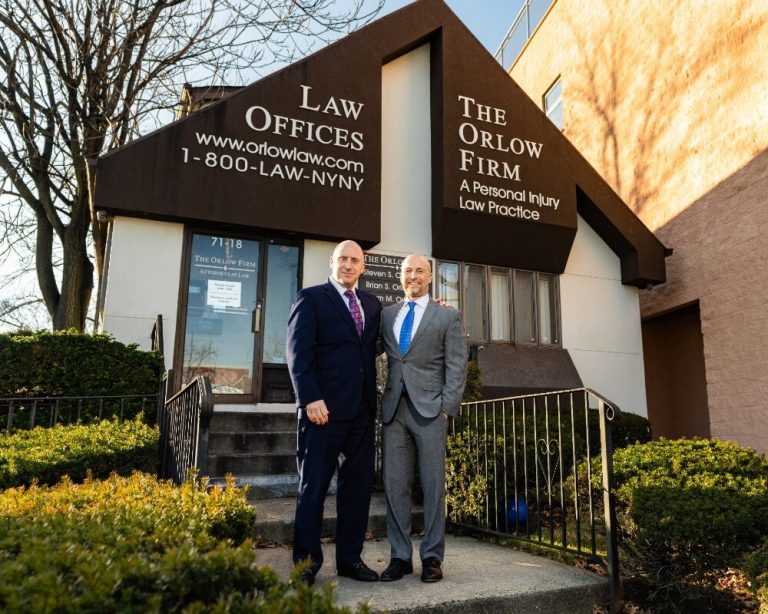
- Reviewing the Reservation of Rights letter to explain exactly what it means for your case
- Advising you on your legal rights under New York personal injury law
- Communicating with the insurance company on your behalf to protect your interests
- Helping you gather evidence if the insurance company is questioning liability or coverage
- Guiding you through each step so you're not navigating the process alone
Sources
The Following People Contributed to This Page
Written byParalegal & Office ManagerB.A.Sc., Political Science & Government, John Jay College of Criminal Justice (CUNY), 22+ years at The Orlow Firm, Bilingual: English and Spanish