Updated: January 9, 2026 · 26 min read
What is Vicarious Liability for Personal Injuries?
Quick Answer: Vicarious liability is a legal principle that holds one party responsible for the actions of another. In personal injury cases, this often means an employer can be held liable for injuries caused by an employee acting within the scope of their job. Understanding Vicarious Liability for Personal Injuries is crucial for anyone navigating personal injury claims in New York City. This legal concept allows an injured party to hold a third party responsible for the actions of another person. Essentially, it means that someone who did not directly cause harm can still be held liable for the injuries caused by another individual. This can be particularly relevant in situations involving employer-employee relationships, where an employer may be responsible for the actions of their employees. In New York City, where businesses and organizations operate on a large scale, vicarious liability plays a significant role in personal injury cases. For example, if a delivery driver causes a car accident while on the job, the injured party might be able to file a claim against the driver’s employer, not just the driver. This is because the employer is considered to have control over the employee’s actions during the course of their employment. The principle of vicarious liability is grounded in the idea of fairness and accountability, ensuring that those who benefit from certain activities also bear the responsibility for any harm that might occur. This concept is particularly important in a bustling metropolis like New York City, where the actions of individuals and businesses are often intertwined. Vicarious liability can apply in various scenarios, including:- Employer-Employee Relationships: As mentioned, if an employee causes harm while performing their job duties, the employer may be held liable.
- Partnerships: Partners in a business can be held accountable for the negligent actions of their co-partners.
- Parent-Child Situations: In some cases, parents may be liable for the actions of their minor children. Under New York General Obligations Law § 3-112, parents can be held liable for willful or malicious property damage caused by minors (ages 10–17), capped at $5,000. Parents may also face liability under common-law negligent supervision theories.
How Vicarious Liability Affects Personal Injury Cases in New York City
Vicarious liability can significantly impact personal injury cases in New York City by shifting the responsibility for damages from the individual directly responsible for an injury to another party, typically an employer or principal. In NYC, a bustling metropolis with a dense population and innumerable businesses, understanding the nuances of vicarious liability is crucial for anyone involved in a personal injury case. Understanding the Basics: Vicarious liability, also known as "imputed liability," allows a victim to hold an employer or principal legally responsible for the negligent actions of an employee or agent, provided these actions occur within the scope of their employment. This principle is particularly relevant in a city like New York, where numerous businesses operate daily and incidents involving employees are not uncommon. Impact on Personal Injury Cases:- Broader Scope for Compensation: Victims of personal injury in NYC can seek compensation not just from the individual who caused the harm, but also from their employer. This can be particularly beneficial in cases where the individual employee lacks the financial resources to cover the damages.
- Insurance Coverage: Employers often carry liability insurance that can cover claims of negligence. This means that victims may have a better chance of receiving full compensation for their injuries through the employer’s insurance policy rather than relying solely on an individual’s resources.
- Legal Strategy: Legal proceedings can become more complex when vicarious liability is involved. Plaintiffs must not only prove the negligence of the employee but also that the employer had control over the employee’s actions and that these actions were within the scope of employment. This often requires a nuanced legal strategy and thorough understanding of employment relationships.
- Influence on Settlements: The potential for higher compensation from an employer or their insurer may lead to more favorable settlements for victims. Employers may prefer to settle out of court to avoid the costs and publicity associated with a trial.
- Reputation and Compliance: For businesses, being implicated in personal injury cases under vicarious liability can impact their reputation and lead to stricter compliance and training measures to prevent future incidents.
Key Factors in Establishing Vicarious Liability for Personal Injuries
Establishing vicarious liability in personal injury cases can be complex, particularly in a bustling city like New York. This legal doctrine allows an injured party to hold a third party responsible for the negligent actions of another, typically in an employer-employee context. Understanding the key factors involved in proving vicarious liability is crucial for anyone considering a personal injury claim in New York City.- Existence of a Relationship: The first step in establishing vicarious liability is demonstrating a specific relationship between the parties involved. Most commonly, this involves an employer-employee relationship. However, other relationships such as those between a principal and agent or a vehicle owner and driver can also lead to vicarious liability.
- Scope of Employment: For vicarious liability to apply, the negligent act must have occurred within the scope of the individual's employment. This means the employee was performing duties they were hired to do at the time of the incident. For instance, if a delivery driver causes an accident while making deliveries, their employer may be held vicariously liable.
- Control Over Actions: The employer must have had some degree of control over the employee's actions. This doesn't mean micromanaging every task but rather having the authority to dictate how tasks are performed. In New York City, demonstrating this control can often hinge on the details of the employment contract and the nature of the work performed.
- Intentional Torts: Generally, vicarious liability does not cover intentional harmful acts unless the act was closely related to the employee's job duties. For example, if a security guard uses excessive force while on duty, the employer might be held liable if the force was used in the course of attempting to fulfill their job responsibilities.
- Independent Contractors: In most cases, employers are not vicariously liable for the actions of independent contractors. However, exceptions exist, such as when the work involves inherently dangerous activities or when the employer retains significant control over the manner of work performed.
Common Scenarios Leading to Vicarious Liability in NYC
In New York City, vicarious liability arises in various scenarios where one party is held responsible for the actions of another. This legal principle often comes into play in personal injury cases, where an individual or entity may be liable for injuries caused by someone else under certain conditions. Here are some common scenarios leading to vicarious liability in NYC:- Employer-Employee Relationships: One of the most common examples of vicarious liability is when an employer is held liable for the negligent actions of an employee. For instance, if a delivery truck driver causes an accident while performing their job duties, the employer may be responsible for any resulting injuries, provided the employee was acting within the scope of their employment.
- Independent Contractors: While generally, employers are not liable for the actions of independent contractors, exceptions exist. If an independent contractor is hired to perform inherently dangerous work or if the employer retains control over the work and its execution, vicarious liability could be applied.
- Parent-Child Relationships: In some cases, parents can be held responsible for the actions of their minor children. For example, if a child is driving a parent's car with permission and causes an accident, the parent may be liable under New York Vehicle and Traffic Law § 388, which holds vehicle owners vicariously liable for negligent operation by any permissive user. Note: New York does not follow the "family car doctrine" recognized in some other states; instead, VTL § 388 provides broader owner-liability protections.
- Partnerships: In business partnerships, one partner may be held liable for the negligent acts of another partner if those acts were performed in the course of the partnership's business activities.
- Landlord-Tenant Situations: While landlords are generally not vicariously liable for the independent actions of tenants, they can be held directly liable for injuries on their property if they failed to maintain safe premises or correct known hazards. This is a form of direct negligence (premises liability) rather than true vicarious liability.
- Franchisor-Franchisee Relationships: In certain circumstances, franchisors may be liable for the actions of their franchisees. This usually depends on the level of control the franchisor has over the franchisee's operations.
Employer-Employee Relationships and Vicarious Liability
In the realm of personal injury law, vicarious liability often comes into play within employer-employee relationships. Vicarious liability refers to a situation where one party is held partly responsible for the unlawful actions of a third party. In the context of employment, this means an employer can be held liable for the actions of an employee if those actions occur in the course of their employment. This concept is crucial in New York City, where bustling business activities and dense populations often lead to complex legal scenarios. Understanding when and how vicarious liability applies is essential for both employers and employees. Here are some key points to consider:- Course of Employment : For an employer to be held vicariously liable, the employee's actions must have occurred within the "course of employment." This means the employee was performing duties related to their job or acting under the employer's instructions when the incident occurred.
- Scope of Employment : The actions of the employee must fall within the scope of what they are employed to do. If an employee acts outside this scope, such as committing a personal errand during work hours, the employer may not be vicariously liable.
- Intentional vs. Negligent Acts : Generally, employers are more likely to be held liable for negligent acts rather than intentional ones. However, if the intentional act was in some way related to the employee's job duties, liability might still be established.
- Implementing Comprehensive Training : Ensuring that employees are well-trained in safety and company policies can reduce the likelihood of incidents that lead to liability.
- Establishing Clear Policies : Well-documented employee conduct guidelines can help define the scope of employment and clarify expectations.
- Regular Monitoring and Supervision : Keeping a close eye on employee activities can help prevent actions that could lead to vicarious liability claims.
The Role of Insurance in Vicarious Liability Claims
In the complex landscape of vicarious liability claims, insurance plays a pivotal role in determining how compensation is managed and distributed. When it comes to personal injury cases in New York City, understanding the role of insurance can be crucial for both plaintiffs and defendants. Insurance as a Financial Safeguard Insurance is often the first line of defense for businesses and employers who might be held vicariously liable for the actions of their employees. A well-structured insurance policy can provide the necessary financial coverage to settle claims without severely impacting the business's finances. This is particularly important in NYC, where the cost of litigation and damages can be substantial. Types of Insurance Relevant to Vicarious Liability- General Liability Insurance: This covers a range of incidents, including bodily injury and property damage, which might occur due to an employee’s actions.
- Professional Liability Insurance: Also known as errors and omissions insurance, this is crucial for professionals whose advice or services, if flawed, could lead to client harm.
- Commercial Auto Insurance: For businesses that involve driving, this insurance covers accidents caused by employees while operating company vehicles.
- Investigation: The insurer will investigate the incident to determine the validity of the claim and the extent of liability.
- Negotiation: Insurance adjusters often negotiate settlements with the injured party to resolve the claim without going to court.
- Settlement: If both parties agree, a settlement is reached, and the insurance company pays the agreed amount to the injured party.
- Policy Limits: Insurance policies have limits, and claims that exceed these limits may require the business to cover additional costs.
- Exclusions: Certain acts, particularly those deemed intentional or grossly negligent, may not be covered by insurance policies.
- Disputes: Disagreements can arise between the insurer and the insured regarding the scope of coverage and liability.
Legal Challenges in Proving Vicarious Liability
Proving vicarious liability in personal injury cases can be a complex and challenging process, especially in a bustling city like New York. This legal doctrine holds one party responsible for the negligent actions of another, typically in an employer-employee relationship. However, establishing this liability requires overcoming several hurdles:- Identifying the Relationship: The first step in proving vicarious liability is clearly establishing the relationship between the parties involved. In most cases, this is an employer-employee relationship. However, complications can arise when dealing with independent contractors or temporary workers, as their status may not always support claims of vicarious liability.
- Scope of Employment: For vicarious liability to apply, the negligent act must have occurred within the scope of employment. This means the employee must have been performing duties related to their job when the incident occurred. Proving this can be challenging, especially if the employee was engaged in a personal activity or deviating from work duties at the time of the accident.
- Proving Negligence: In any personal injury case, it's crucial to establish that negligence occurred. This involves demonstrating that the employee acted carelessly or failed to act in a manner that a reasonable person would under similar circumstances. Gathering evidence, such as witness statements, video footage, or expert testimony, can be essential in proving negligence.
- Employer's Control: Another challenge is proving that the employer had control over the employee's actions. This can be difficult in cases where the employer argues that the employee was acting independently or against company policies. Documentation such as employment contracts, company policies, or direct instructions from the employer can help establish this control.
- Insurance and Legal Defense: Employers often have strong legal defenses and insurance coverage to protect against vicarious liability claims. This can make it difficult for plaintiffs to secure a fair settlement. Insurance companies may attempt to minimize payouts by disputing the extent of the employer's liability or the severity of the injuries.
Protecting Your Rights Under Vicarious Liability Laws
Understanding and protecting your rights under vicarious liability laws is essential, especially if you've been injured in New York City and believe another party may be indirectly responsible. Vicarious liability holds one party legally responsible for the actions of another, such as an employer for their employee. Here are some steps you can take to safeguard your rights:- Document Everything: As soon as you suspect you may have a vicarious liability claim, start collecting evidence. This includes taking photographs of the accident scene, gathering witness statements, and keeping records of any communications related to the incident.
- Seek Medical Attention: Your health should be your first priority. Ensure you receive appropriate medical care and keep detailed records of all treatments and diagnoses. This documentation will also be crucial in establishing the extent of your injuries in a legal claim.
- Understand the Employment Relationship: In many vicarious liability cases, the relationship between the responsible party and the individual who directly caused the injury is key. Understanding whether the individual was acting within the scope of their employment can influence your case.
- Notify Relevant Parties: Inform the involved parties of your intention to file a claim. This might include the employer of the person who caused your injury. This notification can sometimes prompt an internal investigation, which could provide additional evidence for your case.
- Consult a Legal Professional: Navigating vicarious liability laws can be complex. Consulting with an experienced personal injury attorney can help clarify your rights and the strength of your case. They can assist in gathering evidence, negotiating with insurance companies, and representing you in court if necessary.
Steps to Take if You Are a Victim of Vicarious Liability
If you suspect that you are a victim of vicarious liability in New York City, it is crucial to take immediate and appropriate steps to protect your rights and potential compensation. Here’s a step-by-step guide to help you navigate this complex legal situation:- Seek Medical Attention: Your health is the top priority. Ensure that you receive proper medical care for any injuries sustained. Not only is this vital for your recovery, but medical records will also serve as crucial evidence in your case.
- Document Everything: Gather and keep detailed records of all related incidents. This includes taking photographs of the scene, injuries, and any contributing factors. Collect contact information from witnesses and any involved parties. This documentation will be invaluable if you pursue a legal claim.
- Identify the Parties Involved: Determine who may be responsible for your injuries under the concept of vicarious liability. This often involves identifying the employer or entity that has control over the at-fault party, such as an employee or contractor. Understanding the relationship between these parties is critical for establishing liability.
- Report the Incident: Notify the appropriate authorities or supervisors about the incident. If it occurred at a workplace or another managed environment, ensure that it is officially recorded. This can help in substantiating your claim.
- Consult a Personal Injury Lawyer: Vicarious liability cases can be legally complex. Consulting with an experienced personal injury lawyer can provide clarity on your rights and the viability of your claim. A lawyer can also help you understand the potential challenges and guide you through the legal process.
- Preserve Evidence: Avoid altering or disposing of any evidence that may be relevant to your case. This includes maintaining physical evidence, such as damaged personal items and securing any available surveillance footage.
- Understand Your Insurance Coverage: Review your insurance policies to understand what coverage you may have. Your lawyer can assist in navigating potential claims with your insurance provider, as well as with the liable party’s insurer.
- Avoid Discussing the Case: Be cautious about discussing your case with anyone other than your attorney. Statements made to others, including on social media, can potentially be used against you in court.
- File a Claim Timely: Be aware of the statute of limitations for personal injury claims in New York, which is generally three years from the date of the incident under CPLR § 214(5). Note that shorter deadlines apply in certain situations: wrongful death claims must be filed within two years, medical malpractice within two and a half years, and claims against government entities require a notice of claim within 90 days. Filing within this timeframe is crucial to preserve your right to seek compensation.
How The Orlow Firm Can Assist with Your Vicarious Liability Case
When dealing with the complexities of vicarious liability in personal injury cases, having an experienced legal team by your side can make a significant difference. At The Orlow Firm, we understand the intricacies involved in these cases and are committed to helping you navigate the legal system with confidence and clarity. Here’s how we can assist you:- Comprehensive Case Evaluation: Our first step is to thoroughly evaluate the details of your case. We will examine the relationship between the parties involved and the circumstances of the incident to determine if vicarious liability applies.
- Gathering Evidence: Establishing vicarious liability often requires substantial evidence. Our team will collect and analyze evidence such as employment records, witness statements, and any relevant documentation to build a strong case on your behalf.
- Skilled Negotiation: Many vicarious liability claims are resolved through negotiations. We are skilled negotiators who will work to secure a fair settlement that reflects the extent of your injuries and the liability of the responsible party.
- Litigation Support: If a fair settlement cannot be reached, we are prepared to take your case to court. Our attorneys have extensive trial experience and will advocate vigorously for your rights to ensure you receive the compensation you deserve.
- Personalized Legal Guidance: We understand that every case is unique. Our attorneys will provide personalized advice tailored to your specific situation, ensuring you understand your rights and options at every stage of the process.
Frequently Asked Questions About Vicarious Liability in NYC
Understanding vicarious liability can be complex, especially in a bustling city like New York. Here, we address some frequently asked questions about vicarious liability for personal injuries to help clarify this legal concept.- What is vicarious liability? Vicarious liability is a legal principle where one party is held responsible for the actions of another. In personal injury cases, this often involves an employer being held liable for the negligent actions of an employee that occur within the scope of their employment.
- How does vicarious liability apply in New York City? In NYC, vicarious liability is commonly applied in situations where employees cause harm while performing their job duties. For example, if a delivery driver causes an accident while making deliveries, the employer may be held liable for any resulting injuries.
- What are some common scenarios of vicarious liability in NYC? Common scenarios include car accidents caused by employees while on the job, medical malpractice by hospital staff, and construction accidents where a worker's negligence leads to injury. Employers can be held responsible if the employee was acting within the scope of their employment.
- Can an employer be liable for an employee's actions outside of work? Generally, employers are only liable for actions that occur during the course of employment. However, if an employee is on a work-related errand or attending a work-sponsored event, the employer might still be held responsible.
- Does vicarious liability apply to independent contractors? Typically, vicarious liability does not extend to independent contractors. However, there are exceptions, especially if the hiring party exerts significant control over the contractor’s work or if the work is inherently hazardous.
- What role does insurance play in vicarious liability claims? Employers often have insurance policies that cover incidents of vicarious liability. This insurance can help cover compensation for injuries and damages resulting from an employee’s actions.
- How can I prove vicarious liability in my personal injury case? To establish vicarious liability, you must demonstrate that the employee was acting within the scope of their employment when the injury occurred. This can involve gathering evidence such as employment records, witness statements, and any relevant communication between the employer and employee.
- What should I do if I believe I am a victim of vicarious liability? If you suspect that your injury resulted from vicarious liability, it is crucial to consult with an experienced personal injury lawyer. They can help evaluate your case, gather necessary evidence, and guide you through the legal process.
- How can The Orlow Firm assist in a vicarious liability case? At The Orlow Firm, our experienced attorneys can help you navigate the complexities of vicarious liability claims, ensuring your rights are protected and working towards securing the compensation you deserve. Contact us at (646) 647-3398 for a consultation.
Sources and Legal References
- CPLR § 214 — Statute of Limitations for Personal Injury (NY Senate)
- Vehicle and Traffic Law § 388 — Owner Vicarious Liability (NY Senate)
- General Obligations Law § 3-112 — Parental Liability for Minor’s Actions
- New York Partnership Law — Partner Vicarious Liability (NY Senate)
- NY Courts — Statute of Limitations Chart
Contacting a Personal Injury Lawyer for Vicarious Liability Issues
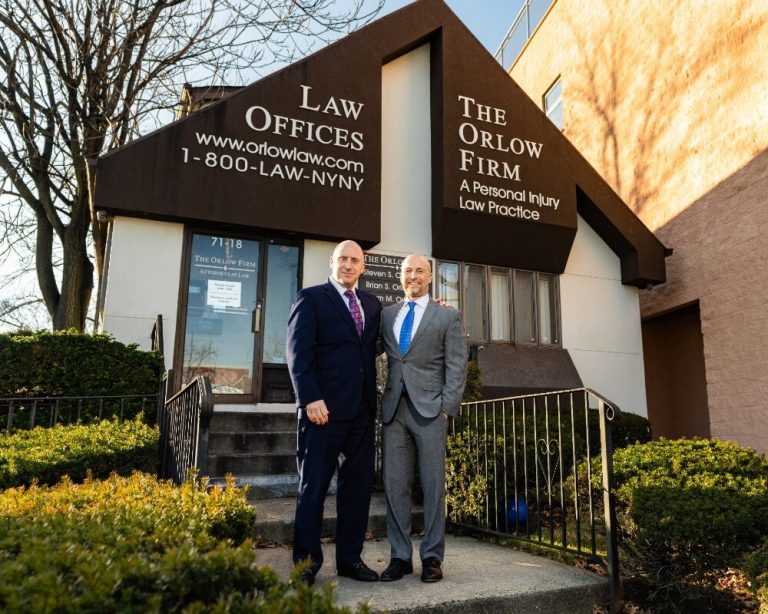 When faced with a personal injury case involving vicarious liability, it's crucial to have experienced legal guidance. Vicarious liability can be complex, especially in a bustling and legally intricate environment like New York City. Consulting with a knowledgeable personal injury lawyer can significantly impact the outcome of your case. Here’s why reaching out to a legal professional is essential and what steps you should take:
- Understanding the Intricacies: Vicarious liability involves holding one party responsible for the actions of another, such as an employer being liable for the acts of an employee. A lawyer can help you understand these nuances and how they apply to your situation.
- Evaluating Your Case: An experienced attorney will assess your case's specifics, including the relationship between the parties involved and the context of the incident, to determine the potential for a successful claim.
- Gathering Evidence: Proving vicarious liability requires solid evidence. A lawyer will know what evidence is necessary and how to obtain it, such as employment records, eyewitness testimonies, and expert opinions.
- Negotiating with Insurance Companies: Insurance companies often try to minimize payouts. A skilled lawyer can negotiate on your behalf to ensure you receive fair compensation.
- Navigating Legal Procedures: The legal process can be overwhelming, especially if you're recovering from an injury. A lawyer will handle all legal procedures, filings, and deadlines, allowing you to focus on your recovery.
The Following People Contributed to This Page
Written byParalegal & Office ManagerB.A.Sc., Political Science & Government, John Jay College of Criminal Justice (CUNY), 22+ years at The Orlow Firm, Bilingual: English and Spanish